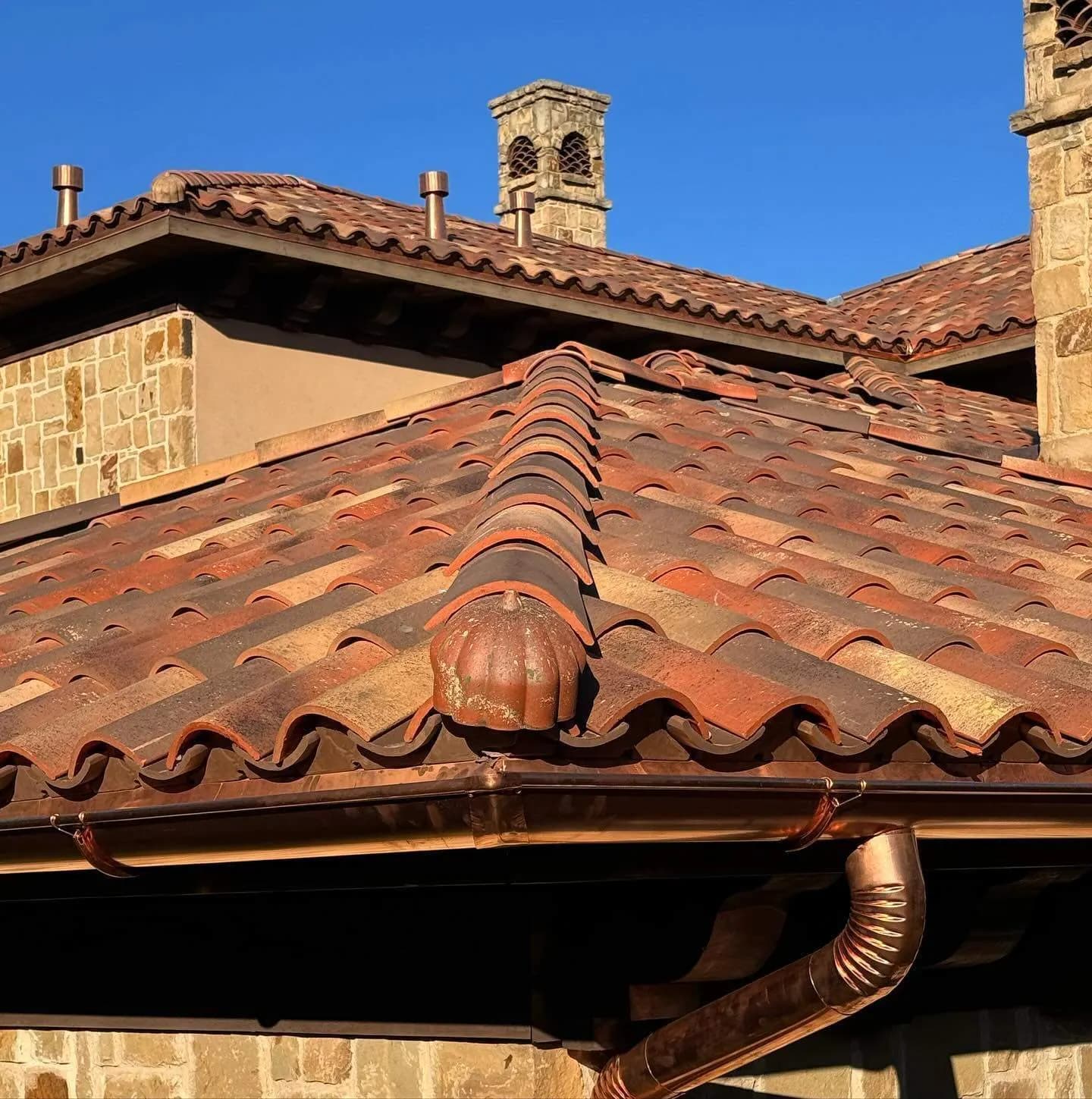
Ludowici Clay Tile in St. Louis: Repair, Matching & Installation
Specialty Crews for America's Premier Terra Cotta, on Roofs That Deserve Them
Ludowici has fired architectural terra cotta in Ohio since 1888, and the Midwest is its home territory: universities, churches, courthouses, and fine homes across the region carry Ludowici tile, including a meaningful share of the century homes in Ladue, Clayton, the Central West End, and Webster Groves. These roofs routinely outlive their original underlayment and every roofer who ever touched them, and in a hail market like St. Louis they periodically need someone who actually knows the brand: which profile is on the roof, how to source discontinued pieces, and how to repair the field without breaking ten tiles to replace one. Our slate and tile crews are led by a master craftsman whose portfolio includes university landmarks like SMU and Tulane and hundreds of specialty slate and Ludowici roofs across the country.
Prefer to book online? Schedule your free St. Louis estimate
Schedule Your FREE
Roof Inspection & Estimate
Request a written estimate
Where is your property?
We serve Texas, Louisiana & Missouri
What do you need?
Almost done!
How can we reach you?
By submitting, you consent to follow-up messages. Reply STOP to opt out.
Sources we use
Check the scope against current guidance
Official sources reviewed September 7, 2026, plus a planning tool for comparing the decisions in your estimate.
City of St. Louis
City residential permit criteria
Reviewed September 7, 2026. Distinguishes like-material roof work and sheathing extent; historic properties require separate attention. City guidance does not establish suburban requirements.
Read the official guidance →Ludowici
Product-specific technical documentation
Reviewed September 7, 2026. Product data, installation manuals, and details for specifying the actual tile profile.
Read the official guidance →Ludowici
Historic matching and availability questions
Reviewed September 7, 2026. Describes sample-based matching assistance and variable lead times.
Read the official guidance →Who repairs Ludowici tile roofs in St. Louis, and what does it cost?
Lapeyre Roofing services Ludowici clay tile roofs across the St. Louis metro, with crews led by a master craftsman whose national portfolio includes hundreds of specialty slate and Ludowici roofs. Individual Ludowici tile replacement typically runs $250-$500 per tile installed when matching stock is available; discontinued profiles sourced through salvage or reproduced by Ludowici cost more and are quoted per project. Typical repair visits run $1,000-$4,000, hail-damage scopes commonly run $4,000-$25,000+ and are often insurance-covered, and new Ludowici installation runs $25-$50+ per square foot. Every job starts with profile identification, because on a Ludowici roof, the profile determines everything that follows.
- Individual Ludowici tile replacement: $250-$500 per tile installed (salvage and reproduction pieces quoted per project)
- Typical Ludowici repair visits: $1,000-$4,000
- Hail-damage repair scopes: $4,000-$25,000+ (often insurance-covered)
- New Ludowici installation: $25-$50+ per square foot
- Ludowici has manufactured continuously in Ohio since 1888; many historic profiles can be matched or reproduced
- Ludowici carries a 75-year material warranty on new tile
Ludowici Roofs in St. Louis: What Makes Them Different
A Century-Grade Roof in a Hail-Grade Market
Ludowici terra cotta is fired hard enough to laugh at Missouri freeze-thaw, which is why so many Midwest institutional and residential Ludowici roofs from the early 1900s are still in service. But St. Louis hail, aging underlayment, and decades of well-meaning general roofers create very specific service needs on these roofs.
Hail Impact on Ludowici Tile
Impact: Even premium terra cotta can fracture under the large hail St. Louis produces: cracked pans, broken cover tiles, sheared corners on flat shingle profiles. The damage is functional and typically claimable, but the replacement tiles are often profiles Ludowici made 80 years ago, which turns every claim into a matching and sourcing exercise.
Our Solution: We document fractured tiles slope by slope, identify the exact profile, and build the claim around real sourcing: salvage stock, current Ludowici production, or factory reproduction, with lead times and costs documented for the carrier.
Freeze-Thaw: Why Ludowici Endures Here
Impact: Ludowici tile is fired at high temperature to extremely low absorption, which is why it holds up through St. Louis winters that destroy lesser tile. The failures we find on Ludowici roofs are almost never the tile body itself; they are impact damage, fastener corrosion, and worn-out underlayment beneath sound tile.
Our Solution: We diagnose accordingly: tap-testing and inspecting the tile honestly, then focusing repair budgets on the layers that actually failed. Sound Ludowici tile stays on the roof, where it belongs.
Underlayment and Fasteners Aging Out Beneath the Tile
Impact: A Ludowici roof from 1925 has likely outlived two or three underlayments and its original fasteners. When leaks appear under visually perfect tile, the waterproofing beneath is gone, and the wrong response, tearing off the roof, throws away irreplaceable tile.
Our Solution: Lift-and-relay is the correct fix: tile comes off in mapped sections, modern high-temperature underlayment and copper flashings go on, and the original Ludowici tile is relaid. The roof keeps its tile, its look, and decades of remaining life.
Damage from Non-Specialist Roofers and Trades
Impact: A large share of the Ludowici damage we encounter was inflicted by people, not weather: general roofers walking the field, face-nailing replacements, smearing mastic over cracks, or swapping in mismatched concrete tile. Every one of those shortcuts costs more to undo than the original repair would have cost to do right.
Our Solution: Our crews stage access properly, fasten per profile requirements, and reverse prior bad repairs: pulling mastic patches, replacing mismatched fill-ins with correct profile tile, and restoring the field detail the roof was built with.
Snow, Ice Dams, and Ornamental Details
Impact: Ludowici roofs in St. Louis often carry ornamental ridges, finials, and closed valleys that concentrate ice and meltwater at exactly the most intricate details. Ice damming pushes water beneath the field at eaves built long before membrane protection existed.
Our Solution: We retrofit ice-protection membrane at eaves and valleys during relay and flashing work, preserve and reset ornamental pieces rather than discarding them, and add profile-appropriate snow retention above entries and gutters.
Where Ludowici Tile Lives in the St. Louis Metro
Ludowici shipped enormous volumes of tile into the Midwest through the early and mid 1900s, and St. Louis was a natural market: prosperous, architecturally ambitious, and close to the Ohio factory by rail. The results are still on the roofs.
Ladue and Clayton
Fine homes from the 1910s-1940s by prominent regional architects, many specified with Ludowici tile from the original drawings, in some of the highest hail-claim territory in the metro.
Claims here regularly involve discontinued Ludowici profiles, which makes sourcing documentation decisive: what can be matched from salvage, what Ludowici can reproduce, and what that costs. These roofs justify the effort; replacement value is extraordinary.
Central West End and Compton Heights
Grand late-1800s and early-1900s homes with flat shingle tile, French interlocking profiles, and ornamental terra cotta ridge work, much of it original Ludowici or contemporaneous Midwest production.
Profile identification matters most here; Ludowici and its historic competitors made similar profiles with different dimensions, and a near-miss replacement tile telegraphs across a whole slope. Ornamental pieces are preserved and reset, never discarded.
Webster Groves and Kirkwood
Century homes under mature canopy, with Ludowici and other clay tile patched unevenly across decades of ownership.
We routinely find mismatched fill-ins and mastic repairs from past decades. These roofs are strong lift-and-relay candidates: the original tile is usually sound while the underlayment and past patchwork are not.
University, Institutional, and Church Properties
Campuses, churches, and civic buildings across the metro carry Ludowici tile, consistent with the brand's deep presence on Midwest institutional architecture.
Institutional Ludowici work demands phased scopes, documentation for boards and preservation stakeholders, and crews with landmark experience. Our crew lead's portfolio includes university landmark work of exactly this character.
Frontenac, Huntleigh, and Town and Country
Estate properties, some with original tile and some with newer high-end construction considering premium roofing.
New Ludowici installation is a live option here: the brand still manufactures in Ohio, offers current profiles and custom colors, and backs new tile with a 75-year material warranty. Structural verification is part of every proposal.
Ludowici Tile Costs in St. Louis (2026)
Ludowici pricing has two distinct worlds: servicing existing roofs, where sourcing drives cost, and new installation, where the brand sits at the premium end of clay. Honest ranges for both, confirmed after a free inspection.
Individual Tile Replacement (Matching Stock Available)
$250 - $500 per tile installed
Correct-profile tile installed with proper fastening. Most visits address several tiles plus adjacent detail work.
Discontinued Profile Sourcing (Salvage or Factory Reproduction)
Quoted per project
Salvage-network sourcing or reproduction through Ludowici, which still manufactures and can match many historic profiles. Lead times and per-piece costs documented up front and, on claims, for your carrier.
Ludowici Repair Visit (Typical Scope)
$1,000 - $4,000
Fractured and slipped tiles, ridge and ornamental resets, minor flashing repairs, and reversal of prior bad repairs.
Hail Damage Repair Scope
$4,000 - $25,000+
Profile-matched replacement of fractured tiles across affected slopes, with sourcing documentation built into the claim. Often insurance-covered.
Lift-and-Relay (New Underlayment Under Original Ludowici Tile)
$15 - $28 per square foot
Original tile off in mapped sections, high-temperature underlayment and copper flashings on, original tile relaid with ornamental pieces preserved. The definitive fix for sound tile over failed waterproofing.
New Ludowici Installation
$25 - $50+ per square foot
Current Ludowici profiles with 75-year material warranty; custom colors and complex rooflines at the upper end. Structural verification included.
Factors Affecting Price
- 1Profile availability (current production vs salvage vs factory reproduction)
- 2Factory lead times on reproduction and custom orders (commonly 8-12+ weeks)
- 3Ornamental scope (ridges, finials, closed valleys, decorative field patterns)
- 4Roof pitch, height, and staging requirements
- 5Underlayment and flashing condition beneath the tile
- 6Insurance scope alignment and matching documentation on hail claims
These are typical 2026 ranges for the St. Louis market. Ludowici sourcing costs vary by profile and availability; we document them transparently before work begins and provide a written, itemized estimate.
How We Service Ludowici Roofs in St. Louis
Everything on a Ludowici roof follows from knowing exactly what is on it. Our process starts there and never gets casual afterward.
Profile Identification
We identify the exact Ludowici profile from tile dimensions, interlock geometry, and the maker marks Ludowici pressed into the underside of its tile, and we confirm whether the roof mixes original tile with later substitutions.
Local Note: St. Louis roofs often carry profiles from Ludowici's early-1900s catalogs. Correct identification is the difference between a matched repair and a visible patch.
Condition Assessment: Tile, Fasteners, Underlayment
We assess the tile body honestly (Ludowici tile is usually sound), then the fasteners, underlayment, flashings, and ornamental details that actually fail on these roofs. You get a layered picture of what has life and what does not.
Hail and Storm Documentation (When Applicable)
Fractured tiles are mapped per slope with close-up photos, separated from age cracks and old trade damage, and paired with sourcing documentation: what matching costs from salvage or factory reproduction, with lead times.
Local Note: On discontinued Ludowici profiles, sourcing documentation is often what moves a carrier from a token repair allowance to a scope that actually restores the roof.
Sourcing: Salvage, Current Production, or Reproduction
We source matching tile through salvage networks, current Ludowici production, or factory reproduction of historic profiles, and we sequence the work around real lead times so the roof is protected in the interim.
Repair Execution
Damaged tiles come out without disturbing the interlock of their neighbors; replacements are fastened per profile requirements with correct fasteners. No face nails, no mastic, no mismatched fill-ins. Prior bad repairs are reversed as we go.
Lift-and-Relay and Copper Work (When the Underlayment Is Done)
For sound tile over failed waterproofing, we relay: tile off in mapped sections, high-temperature underlayment with eave ice protection on, copper valleys and flashings fabricated and installed, original tile and ornamental pieces back in position.
Local Note: Copper is the correct metal under a Ludowici roof in this climate; it is the only flashing choice with a service life in the same conversation as the tile.
Final Inspection and Documentation
We verify the field, interlocks, and details, clean up completely, and deliver photo documentation, sourcing records for any matched tile, and maintenance guidance. On new Ludowici installations, we register the 75-year material warranty.
Ludowici Tile, Matching Stock, and Supporting Components
On a Ludowici roof, material decisions are mostly sourcing decisions, plus the underlayment and metals that must keep pace with a century-grade tile.
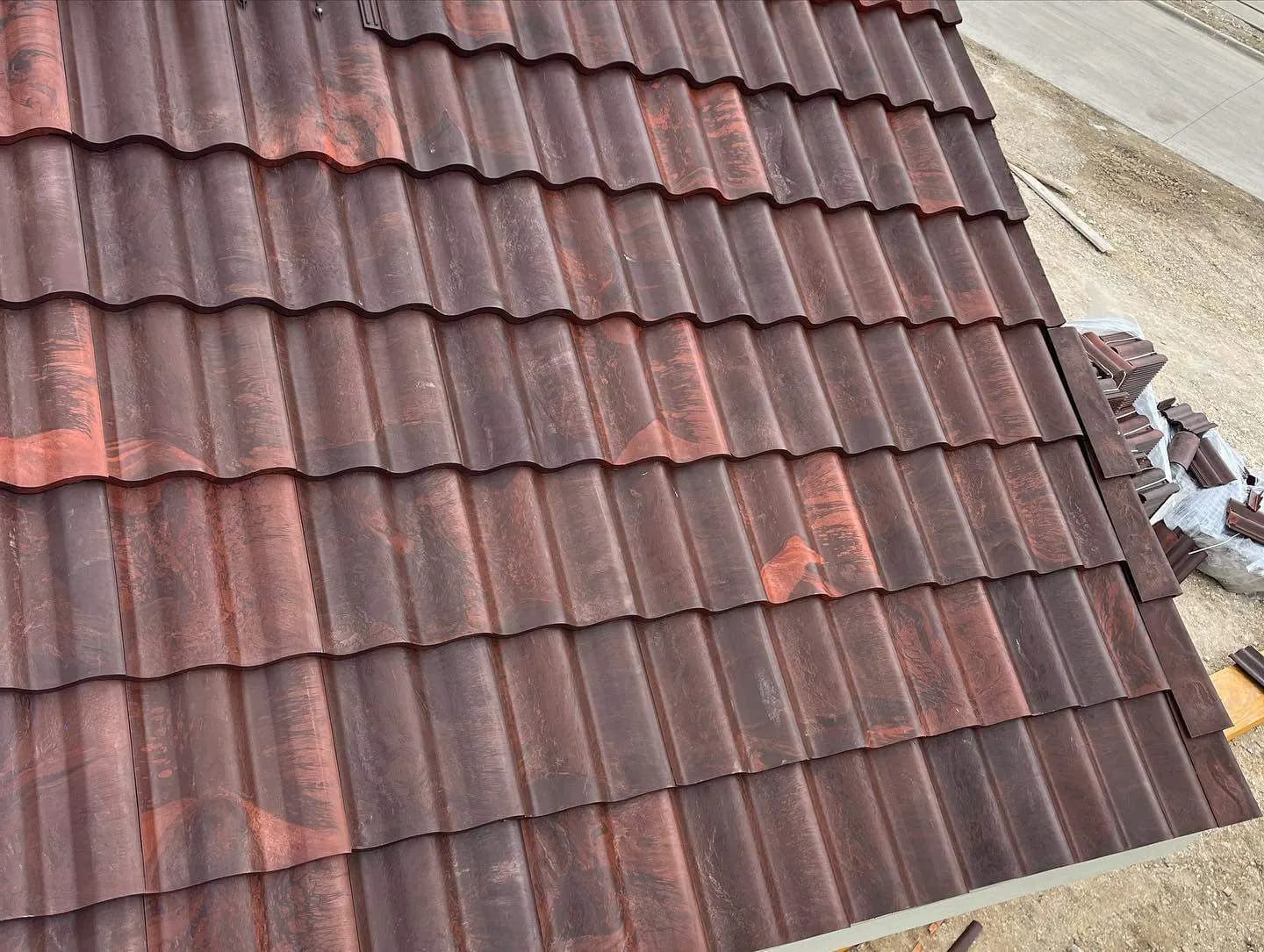
Current Ludowici Production Tile
Why for St. Louis
Ludowici still manufactures in New Lexington, Ohio, a few hundred miles from St. Louis, with many historic profile families in current production and custom color capability. New tile carries a 75-year material warranty and the same low-absorption body that has survived Midwest winters since 1888.
Best For
New installations, full replacements, and repairs on roofs with current-production profiles
Considerations
Custom colors and less common profiles carry 8-12+ week lead times; we sequence projects around them.
Factory Reproduction of Historic Profiles
Why for St. Louis
For discontinued profiles on St. Louis century homes, Ludowici can often reproduce its own historic tile, an option almost no other manufacturer can offer, because the company never stopped making terra cotta.
Best For
Large repair scopes and partial replacements where salvage volume is insufficient
Considerations
Reproduction runs have minimums and lead times; on insurance work we document both so the claim reflects real restoration cost.
Salvaged Ludowici Tile
Why for St. Louis
Salvage stock provides already-weathered tile that disappears into an 80-year-old field the way no new tile can, and it is often the fastest and most economical matching route for small repairs.
Best For
Individual replacements and small scopes on visible slopes
Considerations
Every salvaged tile is inspected and tap-tested before installation; we reject cracked or soft stock.
High-Temperature Underlayment with Eave Ice Protection
Why for St. Louis
The underlayment is the working waterproofing beneath the tile, and St. Louis ice damming tests it at the eaves every winter. Modern high-temp synthetics and self-adhering membranes give a relaid Ludowici roof decades before its next intervention.
Best For
Every lift-and-relay and new installation
Considerations
Underlayment quality sets the maintenance clock; this is the wrong place to save money under hundred-year tile.
20oz Copper Flashings
Why for St. Louis
Ludowici tile will outlast any sealant-dependent flashing detail several times over. Soldered 20oz copper valleys, chimney flashings, and built-in gutter liners are the only components with a lifespan worthy of the tile above them.
Best For
Valleys, chimneys, walls, built-in gutters, and penetrations on Ludowici roofs
Considerations
Copper patinas over time; where runoff crosses light masonry, we detail to prevent staining.
Why Ludowici Owners in St. Louis Call Lapeyre
A Ludowici roof is a specialty asset, and the honest problem in most markets, St. Louis included, is that almost nobody local services the brand properly. General roofers break tile walking the field, patch with mastic, and quote tear-offs for roofs with fifty years left. We built our specialty crews to be the alternative.
Crews with Real Ludowici Depth
Our slate and tile crews are led by a master craftsman whose portfolio includes university landmarks like SMU and Tulane and hundreds of specialty slate and Ludowici roofs across the country. Profile identification, interlock repair, and ornamental work are practiced skills here, not improvisation.
Historic-Roof Discipline
Our own contracts include the Sylvain building in the French Quarter, a historic slate and copper standing-seam restoration on one of the oldest buildings in New Orleans, plus multiple additional French Quarter slate roofs. The team behind that portfolio now serves St. Louis, and Ludowici roofs get the same preservation-grade standard.
Sourcing That Actually Gets Done
Salvage networks, current Ludowici production, and factory reproduction of historic profiles: we run all three routes, document costs and lead times up front, and put correct-profile tile on the roof instead of whatever is on the truck.
Hail Claims Built Around Matching Reality
On discontinued Ludowici profiles, the sourcing documentation is the claim. We map fractured tile slope by slope and pair it with real matching costs, and we can meet your adjuster on the roof.
Preservation Over Tear-Off
Sound Ludowici tile is irreplaceable at any reasonable price, and our default is to keep it: repair, relay, and reflash before anyone talks replacement. When we say a roof can be saved, we scope exactly how.
A Real Company Behind Specialty Work
GAF Master Elite, BBB A+, FORTIFIED roofing specialist, licensed in Missouri, with offices in the St. Louis metro. Specialty craftsmanship with the infrastructure and accountability of an established roofing company.
Match the original profile and accessory details before ordering
For a St. Louis Ludowici repair, identify the actual profile before sourcing replacement pieces. Ludowici offers sample-based assistance for profile and color identification. A photograph may help start the discussion, but confirm whether the manufacturer needs a physical sample before treating a match or lead time as established.
Use the product-specific technical documents for installation and accessories. A field tile that looks close may not resolve ridge, hip, valley, or starter details. Ask the proposal to identify accessory quantities, salvage handling, and the method for joining new work to retained tile.
Confirm the property jurisdiction and historic status before changing visible material or profile. City of St. Louis roof criteria are not metro-wide rules. Compare a matched repair, a larger restoration, and replacement with the same access and flashing scope; the least expensive material order can still leave substantial specialty work unpriced.
Craftsmanship You Can Inspect
Tile rewards close inspection. These photos show the hips, ridges, copper work, and finish detail our crews hold themselves to on every roof.
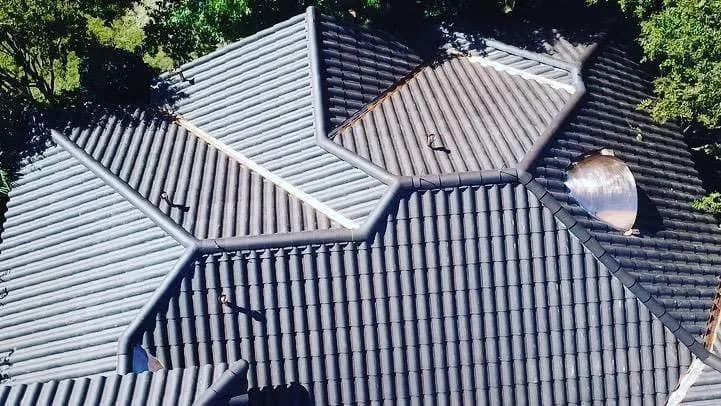
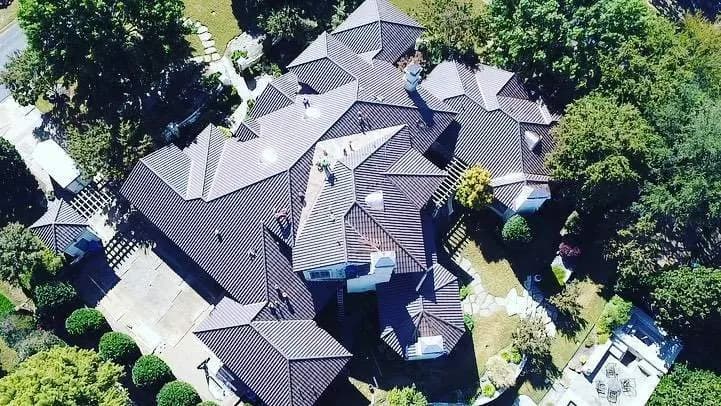
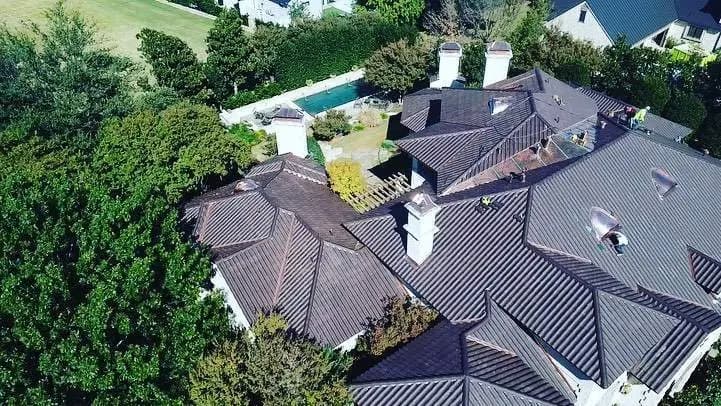
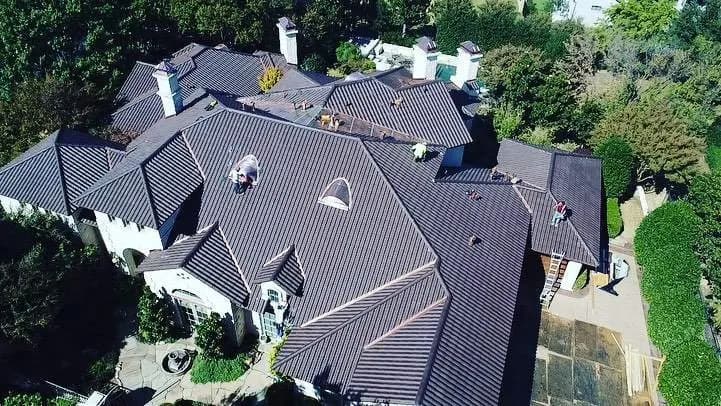
Gallery photography is from the portfolio of our slate and tile crew lead — a master craftsman with hundreds of specialty slate and tile roofs completed across the country.
Compare your options before signing
Compare roofing material priorities
Organize budget, maintenance, and material tradeoffs before a property-specific specification.
Read more about this roofing decision
Ludowici Tile Cost & Profile Guide 2026
Ludowici terra cotta tile costs $25-$50+ per sq ft installed. This guide covers every profile, how to identify Ludowici tile, and matching discontinued patterns.
Clay Tile Roof Cost 2026: Real Prices
Clay tile roofing costs $16-$50+ per sq ft installed. Compare Spanish tile, terracotta, and Ludowici prices, 75-100+ year lifespans, and real repair costs.
Missouri Roof Insurance Claims: St. Louis Guide
A St. Louis roof-claim guide focused on policy endorsements, notice, documentation, depreciation, scope differences, and actual homeowner costs.
St. Louis Hail Damage: A Homeowner's Guide for 2026
A St. Louis hail-damage guide focused on safe documentation, roof-specific inspection evidence, repair options, policy questions, and named-product comparisons.
FAQ
Frequently Asked Questions
How can I establish a Ludowici profile match?
Ask the manufacturer about sample-based identification and confirm the actual product and finish. Check accessory availability and lead times before opening the roof.
Why should a Ludowici quote list accessory pieces?
Ridge, hip, starter, and other special pieces can affect the layout, availability, and total scope. Field-tile quantity alone does not describe a complete installation.
How do I know if my tile roof is Ludowici?
Check the underside of a loose or accessible tile: Ludowici pressed maker marks into the back of its tile, often naming the company and works. Profile geometry, interlock design, and tile dimensions also identify the brand and era, and Ludowici tile is common on St. Louis homes built from the 1900s through the 1940s. We confirm the manufacturer and exact profile during a free inspection, which determines every repair and matching decision that follows.
Can discontinued Ludowici profiles still be matched?
Usually, yes, by one of three routes. Salvage networks stock reclaimed Ludowici tile that matches both profile and weathering. Many historic profile families remain in current Ludowici production. And because Ludowici has manufactured continuously since 1888, the factory can often reproduce its own discontinued profiles, with minimums and 8-12+ week lead times. We identify your profile, quote all viable routes, and document costs, which matters enormously on insurance claims.
Why can't my regular St. Louis roofer repair my Ludowici roof?
Because Ludowici repair is a different trade. Interlocking terra cotta cannot be walked like shingles, fastened with face nails, or patched with mastic, and replacement tile must match the exact profile or the interlock and the appearance both fail. Most of the Ludowici damage we repair in St. Louis was caused by prior non-specialist work. A general roofer is not a bad roofer; this is simply specialty work that needs crews who do it routinely.
Does insurance cover hail damage to Ludowici tile in St. Louis?
Generally yes: hail-fractured tile is functional damage, and St. Louis produces hail large enough to crack even premium terra cotta. The decisive issue is usually matching, since damaged profiles are often discontinued. Documentation of real sourcing costs, salvage, current production, or factory reproduction, is what moves a claim from a token allowance to a scope that restores the roof. We build that documentation and can meet your adjuster on-site.
How much does Ludowici roof repair cost in St. Louis?
Individual tile replacement runs $250-$500 per tile installed when matching stock is in hand, with salvage and factory-reproduction pieces quoted per project. Typical repair visits run $1,000-$4,000, and hail-damage scopes commonly run $4,000-$25,000+ and are often insurance-covered. Lift-and-relay, new underlayment and copper under your original tile, runs roughly $15-$28 per square foot. Written, itemized estimates follow a free inspection.
My Ludowici roof leaks but the tile looks perfect. What failed?
Almost certainly the underlayment or flashings, not the tile. Ludowici terra cotta routinely outlives its original waterproofing by decades; a 1925 roof may have sound tile over underlayment that failed years ago. The fix is lift-and-relay: remove the tile in mapped sections, install modern high-temperature underlayment and soldered copper flashings, and relay your original tile. It preserves an irreplaceable roof at a fraction of replacement cost.
What warranty does Ludowici tile carry?
New Ludowici tile carries a 75-year material warranty from the manufacturer, among the strongest in roofing. On existing historic roofs, the original warranty era has typically passed, but the practical warranty is the material itself: Ludowici installations from the early 1900s remain in service across the Midwest. For new installations we handle warranty registration and provide the documentation package for your records and future ownership transfers.
Should I replace my old Ludowici roof with something cheaper?
Almost never, if the tile is sound. Existing Ludowici tile is an appreciating asset: replacing it with architectural shingles trades a century-grade roof for a 20-30 year one and permanently removes value from a historic home. Even badly leaking Ludowici roofs usually need underlayment and flashings, not new roofing. We will tell you honestly if your tile is beyond saving; on most St. Louis Ludowici roofs, it is nowhere close.
Does Ludowici still make tile, and can I get a new Ludowici roof in St. Louis?
Yes. Ludowici manufactures continuously in New Lexington, Ohio, as it has since 1888, offering barrel, shingle, interlocking, and slate-look profiles with custom color capability and a 75-year material warranty. We install new Ludowici in the St. Louis market at $25-$50+ per square foot depending on profile, color program, and roof complexity, with structural verification included and factory lead times of roughly 8-12+ weeks for custom orders.
How long does a Ludowici tile roof last in the St. Louis climate?
The tile itself lasts a century or more; Midwest installations from the early 1900s are still in service, and the low-absorption terra cotta body is unaffected by Missouri freeze-thaw. Plan instead around the supporting layers: underlayment typically needs renewal every 40-70 years via lift-and-relay, and flashings age on a similar clock unless installed in copper. Maintained on that schedule, a Ludowici roof is effectively permanent.
Contact information
Thank you for considering us for roofing needs. We will get back to you during normal business hours.


Send us a message