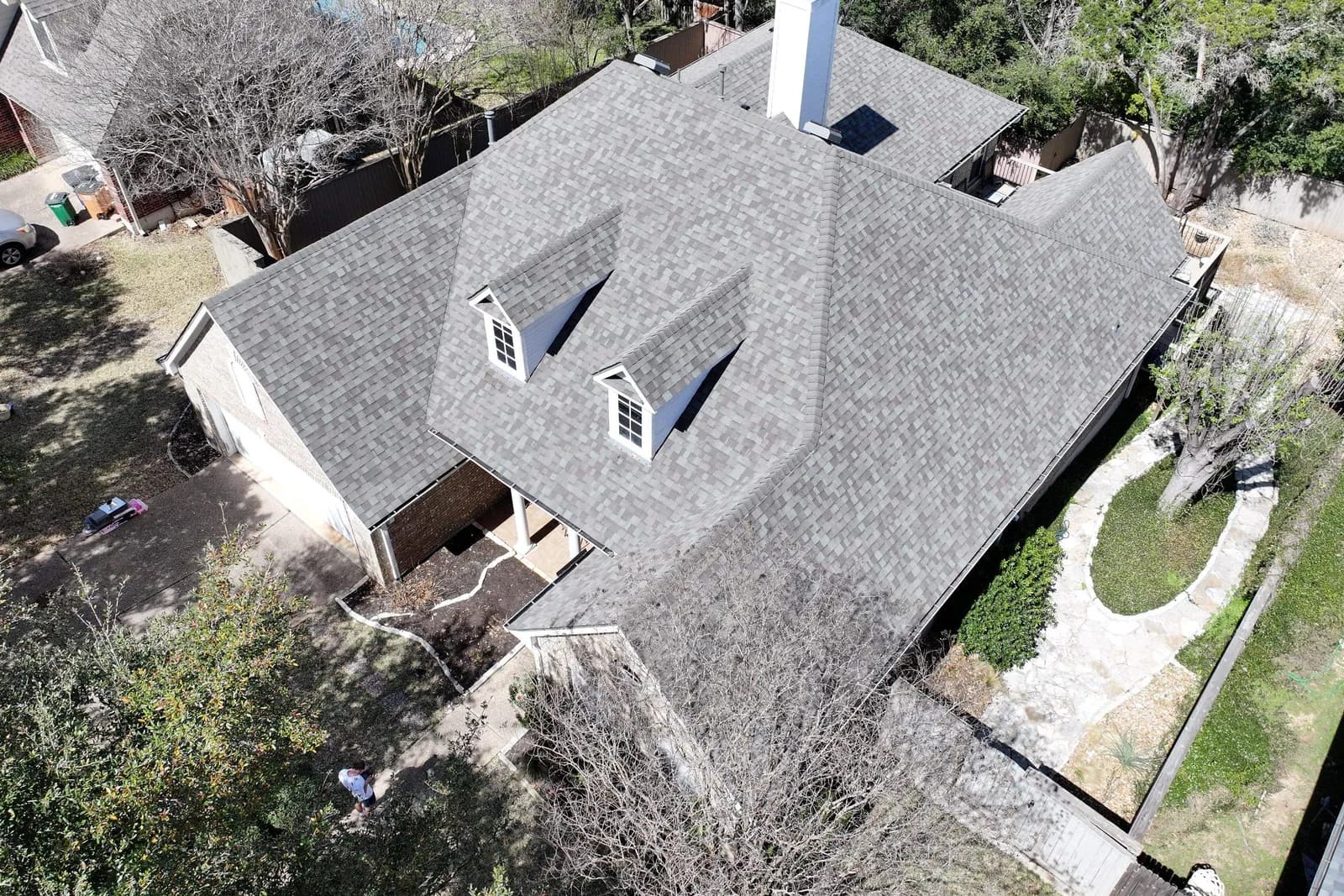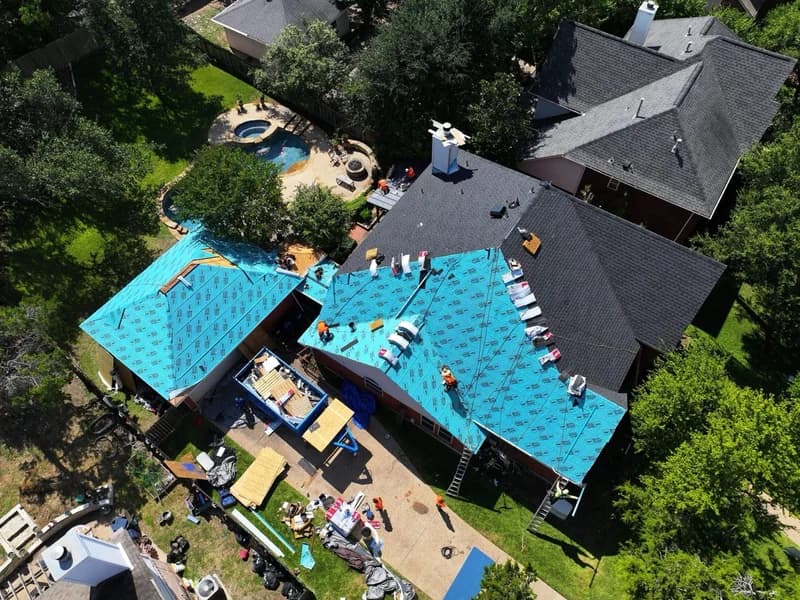
Narrow the palette using your permanent exterior finishes, then confirm the exact product, regional availability, physical sample, and accessory colors.
Choose a GAF Timberline HDZ color by confirming the locally available product, comparing physical samples against your permanent exterior finishes, and recording the exact selection before ordering. A color name or an attractive online house photograph is not enough to identify what will arrive at your project.
Start with the product and your delivery area
Use GAF's Timberline HDZ product page and its HDZ color-availability brochure as reference points. Ask the supplier or contractor to confirm the current selection for the job location. Product lines, regional options, and accessories should be checked together.
Do this before getting attached to a particular photograph. If a preferred option is unavailable within the project schedule, you can compare alternatives deliberately instead of approving a rushed substitution while the crew is waiting.
Which Timberline HDZ colors can you compare?
GAF lists Weathered Wood, Charcoal, Pewter Gray, Barkwood and Shakewood among its popular Timberline HDZ colors. These are actual product color names to request when narrowing a shortlist, rather than descriptions such as dark gray or brown that a supplier could interpret differently. See the manufacturer's HDZ color selection.
This is a starting list, not a statement that every color is currently stocked for every market. Use the linked availability brochure and your job ZIP code to confirm the options, then request physical samples. Keep HDZ distinct from similarly named product lines; a color offered in another line does not establish its availability in HDZ.
Begin with the finishes you will keep
Make a short list of the exterior elements least likely to change: brick, stone, major siding areas, and prominent metalwork. Trim paint can be easier to change, so avoid making a long-lived roof selection around a trim color you already plan to replace.
Then decide whether you want a quiet background or a more pronounced contrast. Neither is automatically better. A roof with many visible slopes already has visual complexity; a highly contrasting blend may make that geometry more noticeable. A broad simple roof face presents a different design problem.
Use reference homes to compare combinations rather than assuming that a color you like in isolation will create the same effect on your house. Ask what roof product the reference actually uses and whether the image has been edited. A saved photo is inspiration, not a material specification.
Review the sample under more than one condition
Place the sample where you can compare it safely with the exterior finishes, and look at it in daylight and shade. Step back far enough to judge the overall blend rather than only individual granules. Include anyone whose approval is needed before the order is finalized.
A small sample is still a small sample. Ask whether a larger board or a completed installation using the exact selection can be viewed. Keep in mind that roof angle, surrounding colors, and natural light can change the impression. Do not demand that a screen rendering function as an exact installed-color guarantee.
A practical two-option comparison
Imagine a house with warm brick, pale trim, and dark window frames. The homeowner is choosing between a darker neutral and a mixed brown-gray sample. Rather than comparing two unrelated internet photographs, put both physical samples beside the brick and review them under the same conditions.
Write down the reason for the preference: one repeats the window contrast; the other softens the transition to the brick. Then compare the ridge cap and visible metal choices with that finalist. This turns “I think I like gray” into a coordinated decision that the contractor can order and install.
If the home has an association or another design-review requirement, submit the actual product and color selection through that process before material delivery. Keep the written approval with the contract so a later substitution can be checked against it.
Record more than the color name
- The manufacturer and exact shingle product line.
- The approved color and the sample used to select it.
- The ridge-cap product and intended color combination.
- Visible edge metal, flashing, and vent finishes where a choice is available.
- Current supplier availability and the process for approving substitutions.
- Any design-review approval required for the property.
If energy performance is part of the selection, request the exact product-and-color ratings instead of assuming a visually light shingle satisfies a program or code requirement. Color preference and documented performance are separate checks.
Before installation, ask the contractor to compare the delivered labels with the approved order. Keep a photograph of the label for future reference. For broader product decisions, review our IBHS shingle impact-rating guide. A roofing consultation should resolve both the required assembly and the appearance you want.
Common questions
Frequently asked
Use images to narrow choices, then confirm a physical sample and the exact locally available product. Screens and lighting can change the apparent color.
Published by
Editorial team
Our editorial team publishes homeowner guides with sources linked in the article. For a recommendation about your roof, request an inspection of the property.
Found this helpful? Choose Lapeyre Roofing as a source you want to see on Google.
Add Lapeyre Roofing as a preferred source on Google (opens a Google window)