Est. 1699 • Louisiana
Three Centuries of Louisiana Roofing Heritage
From the first French settlers who arrived with Iberville in 1699 to the entrepreneurs who built industries along the Gulf Coast—the story of Lapeyre Roofing is the story of Louisiana itself.
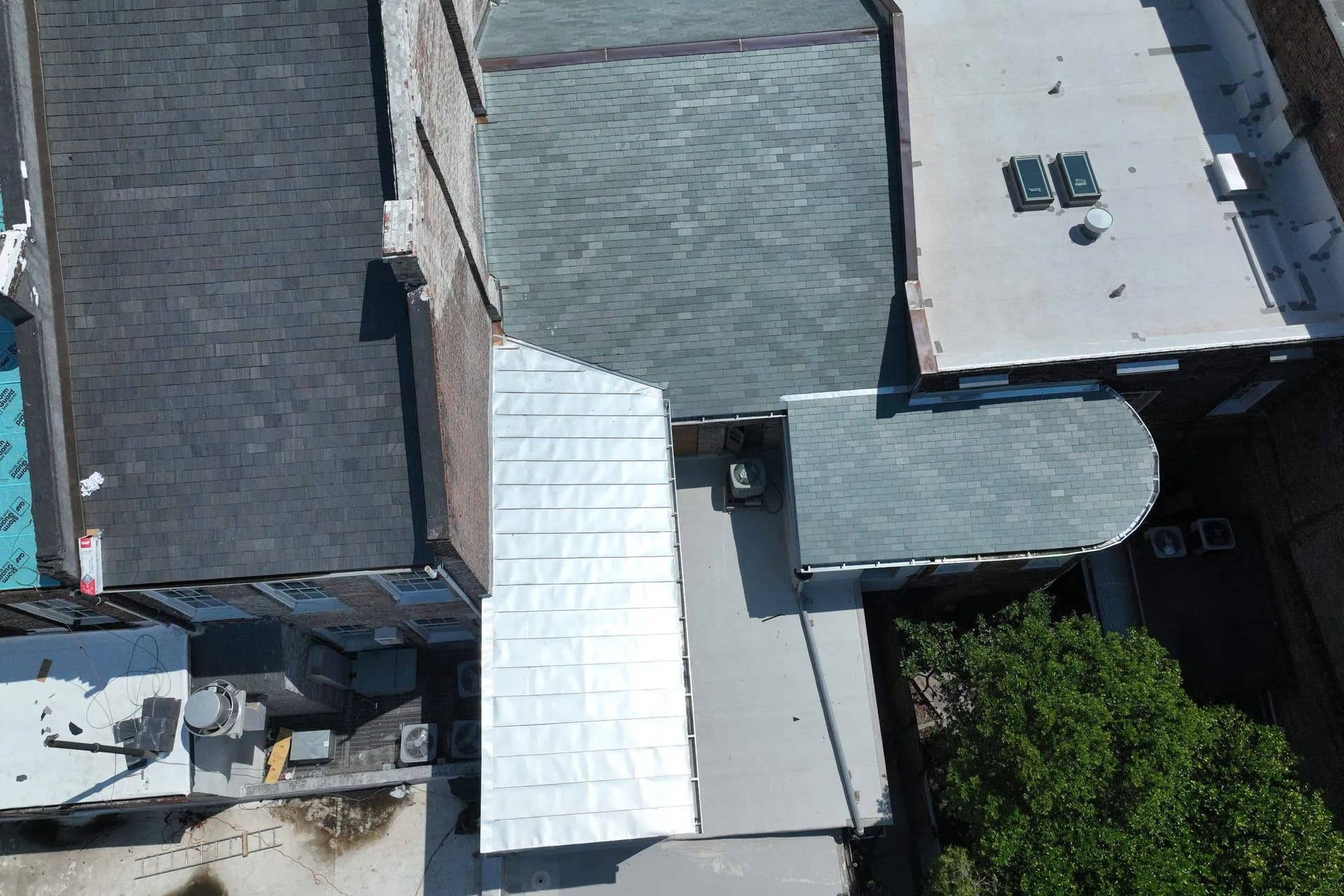
Rooted here. Built to stay.
When Hurricane Ida made landfall on August 29, 2021—exactly 16 years after Katrina—Hunter Lapeyre watched a familiar pattern unfold. Out-of-state contractors flooded into Louisiana, knocked on doors, collected deposits, and vanished. The "storm chasers" were back.
But unlike those contractors, the Lapeyre family wasn't going anywhere. They'd been in Louisiana since before Louisiana was Louisiana.
Hunter's great-grandmother was a Villeré—a descendant of Etienne Roy de Villeré, who accompanied Pierre le Moyne, sieur d'Iberville, on the first French voyage to the Mississippi River in 1699. The Villeré family would become one of the founding families of the colony, with Jacques Philippe Villeré serving as the first native-born Governor of Louisiana.
The Lapeyre side of the family arrived in New Orleans in the early 1800s. Jean Martial Lapeyre, born in the Basque country of France in 1801, married into Creole society at Saint Louis Cathedral in 1840. His descendants would go on to revolutionize the Gulf Coast shrimp industry and build global manufacturing companies—all while remaining rooted in Louisiana.
The Industrial Legacy
191 Patents and a Rubber Boot
In 1943, sixteen-year-old James Martial "J.M." Lapeyre was working in his father's shrimp packing plant in Houma when he stepped on a shrimp with his rubber boot. He noticed something curious: the meat popped cleanly out of the shell.
That observation—that rubber grips the shell while letting the meat slide free—led to the invention of the mechanical shrimp peeler. Before J.M.'s machine, every shrimp caught in the Gulf had to be peeled by hand, typically by women and children paid pennies per bucket. A single Lapeyre machine could do the work of 150 hand-peelers.
J.M. didn't stop there. He went on to hold 191 U.S. patents and founded Laitram Corporation, which today includes Intralox—the world's leading manufacturer of modular plastic conveyor belts. Those belts now move packages for Amazon, FedEx, and manufacturers on every continent.
The Lapeyre family didn't just work in Louisiana. They built industries that transformed it.
1699 – Present
A Timeline of Louisiana Roots
The First Voyage
Etienne Roy de Villeré accompanies Pierre le Moyne, sieur d'Iberville, on the first French expedition to the Mississippi River. The Villeré family becomes one of the founding families of Louisiana.
Jean Martial Lapeyre Born
Jean Martial Lapeyre is born in Ascain, a Basque village in the Pyrénées-Atlantiques of southwestern France, near the Spanish border and the Bay of Biscay.
A New Orleans Union
Jean Martial Lapeyre marries Angéline Avegno at Saint Louis Cathedral in the heart of the French Quarter, establishing the Lapeyre name in New Orleans Creole society.
The Rubber Boot Epiphany
At age 16, James Martial "J.M." Lapeyre steps on a shrimp with his rubber boot and discovers the principle of differential friction—leading to the invention of the mechanical shrimp peeler that would revolutionize the Gulf Coast seafood industry.
Patent Granted
U.S. Patent No. 2,429,828 is granted for the shrimp peeling machine. A single machine could peel 1,000 pounds of shrimp per hour—work that previously required 150 hand-peelers.
Intralox Founded
J.M. Lapeyre invents the modular plastic conveyor belt, founding Intralox. Today, these belts move packages for Amazon, FedEx, and major manufacturers worldwide. J.M. would eventually hold 191 U.S. patents.
Post-Katrina Leadership
Following Hurricane Katrina, Jay Lapeyre leads the Business Council of New Orleans to reform the levee boards and establish independent oversight for police and government. The family's civic commitment deepens.
Hurricane Ida & A New Chapter
When Hurricane Ida devastates Louisiana, Hunter Lapeyre watches out-of-state contractors flood into the region, collect deposits, and disappear. He founds Lapeyre Roofing to protect Gulf Coast homeowners with a company that will never leave.
The Next Chapter
Why I Started Lapeyre Roofing
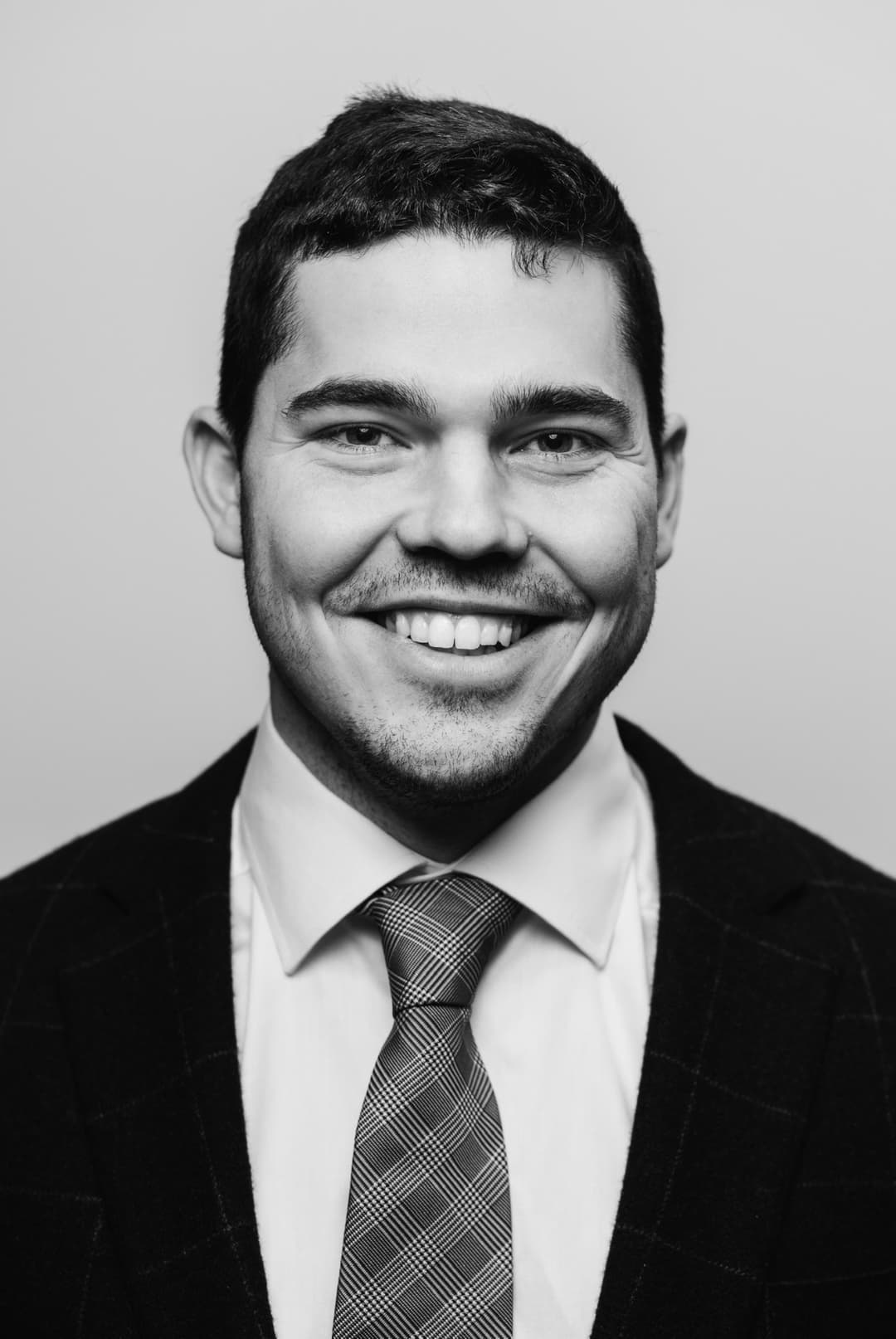
After Hurricane Ida, I saw the same thing my family had seen after Katrina, and Betsy, and every major storm before that: contractors from out of state swooping in to take advantage of desperate homeowners.
These "storm chasers" don't have roots here. They don't have to face their neighbors at the grocery store. They collect a check and move on to the next disaster.
I started Lapeyre Roofing because I believe Gulf Coast homeowners deserve a roofer who will still be here when the next storm comes. Someone whose family has been in Louisiana for over 300 years. Someone who isn't going anywhere.
We're not storm chasers. We're your neighbors.
Hunter Lapeyre
Founder & Owner, Lapeyre Roofing
What Three Centuries Taught Us
Build to Last
The Lapeyres built machines that are still running 80 years later. We bring that same mindset to every roof we install—built for generations, not just inspections.
Serve Your Community
From post-Katrina levee reform to hurricane-resistant roofing, our family has always believed in protecting the communities that raised us.
Solve Real Problems
J.M. Lapeyre didn't just invent gadgets—he solved problems that held entire industries back. We apply that same thinking: FORTIFIED roofing, insurance advocacy, and storm-ready construction.
Ready to Work With a Local Family?
Get a free roof inspection from a company that's been in Louisiana since 1699. No storm chasers. No disappearing acts. Just neighbors helping neighbors.
Contact information
Thank you for considering us for roofing needs. We will get back to you during normal business hours.


Send us a message