Call Now - Free Estimate
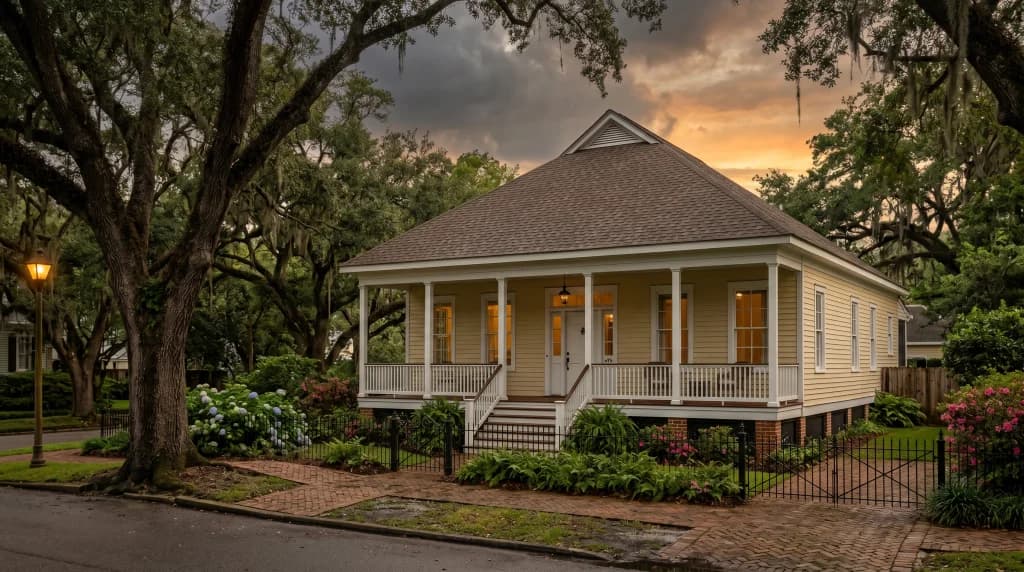
FORTIFIED roof with impact-resistant shingles built to withstand hail and severe convective storms

FORTIFIED Roof St. Louis: Hail & Wind Protection (2026)

By Hunter Lapeyre·GAF Certified Contractor·FORTIFIED Roofing Evaluator
11 min readJul 5, 2026

In St. Louis the peril is hail and severe thunderstorm wind, not hurricanes. This guide explains what a FORTIFIED roof adds, how it pairs with impact-resistant shingles for hail, how it interacts with hail claims, and the real cost delta on a replacement.

A FORTIFIED roof in St. Louis is built for a different enemy than one on the Gulf Coast. Down in New Orleans, FORTIFIED fights hurricanes and wind-driven rain. In St. Louis, the peril is hail and severe convective storms—the spring and summer supercells that drop hail and straight-line winds across the metro almost every year. The good news is that the FORTIFIED standard, paired with the right shingle, translates well to Missouri. This guide explains exactly how.

We build FORTIFIED roofs constantly at our New Orleans office, and we bring the same standard to our St. Louis work. Below we cover what FORTIFIED actually requires, how it handles hail versus wind, how it pairs with impact-resistant shingles, how it interacts with a hail claim, and the honest cost delta on a replacement.

Before you read the insurance section

Lapeyre Roofing does not determine insurance eligibility or discounts. Your insurer decides coverage and any premium credit under your policy. Verify FORTIFIED and impact-resistant details with your carrier and the Missouri Department of Commerce & Insurance. FORTIFIED program details are published at fortifiedhome.org. Last reviewed July 5, 2026 — verify with the program and your insurer before relying on any discount.

The St. Louis Peril: Hail and Severe Convective Storms

St. Louis sits at the eastern edge of the country's most active severe-weather corridor. The metro does not face hurricanes, but it takes a steady beating from a different set of hazards:

  • Hail — Spring and early-summer supercells regularly drop hail across St. Louis and St. Charles counties. Hail bruises and cracks shingles, knocks granules loose, and dents soft metals like vents, flashing, and gutters. Damage is often invisible from the ground.
  • Straight-line winds — Severe thunderstorms produce damaging downburst and gust-front winds that lift and crease shingles and peel edge metal, the same failure points FORTIFIED targets.
  • Tornadoes — Missouri sees tornadoes most springs. No shingle roof is tornado-proof, but a properly sealed and fastened roof performs better in the marginal wind field around a storm.
  • Freeze-thaw and ice — Missouri winters add ice damming and thermal cycling that work at seams and flashing over time.

The through-line is that St. Louis roofs fail from repeated impact and wind, not from a single named-storm event. That changes which parts of the FORTIFIED standard matter most and which add-ons are worth the money.

What FORTIFIED Actually Is

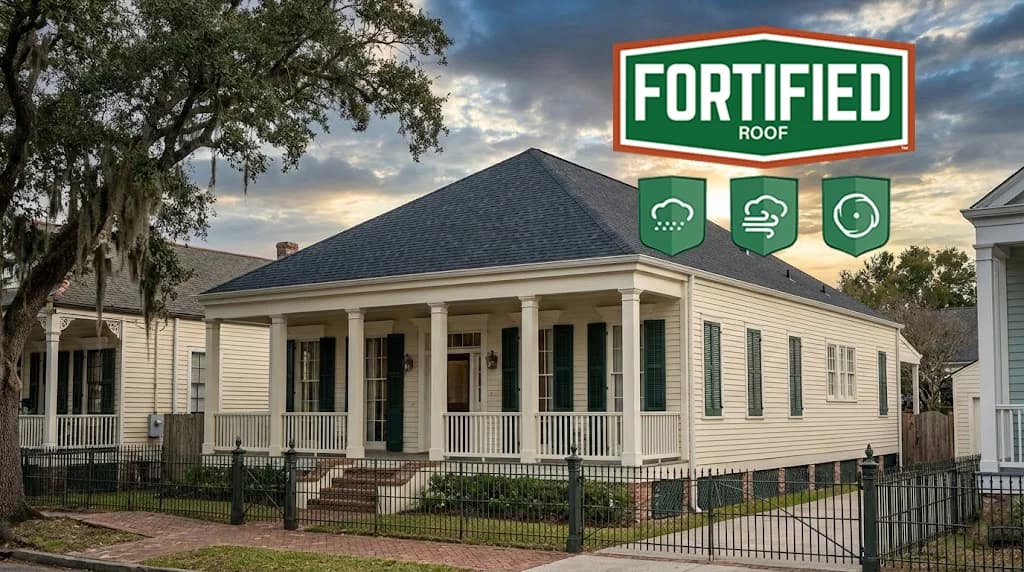
FORTIFIED is a construction standard developed by the Insurance Institute for Business & Home Safety (IBHS). It is not a shingle brand or a marketing label—it is a specific set of installation requirements verified by an independent third-party evaluator. A FORTIFIED Roof includes:

  • Sealed roof deck — a fully adhered or taped secondary water barrier that keeps water out even if the shingle layer is breached
  • Ring-shank nails — enhanced fasteners with roughly double the uplift resistance of standard smooth nails
  • Enhanced drip edge and flashing — sealed, closely fastened edge metal at the roof's most vulnerable transition
  • Locked-down starter and hip/ridge — high-wind-rated components at the edges and peaks where wind attacks first
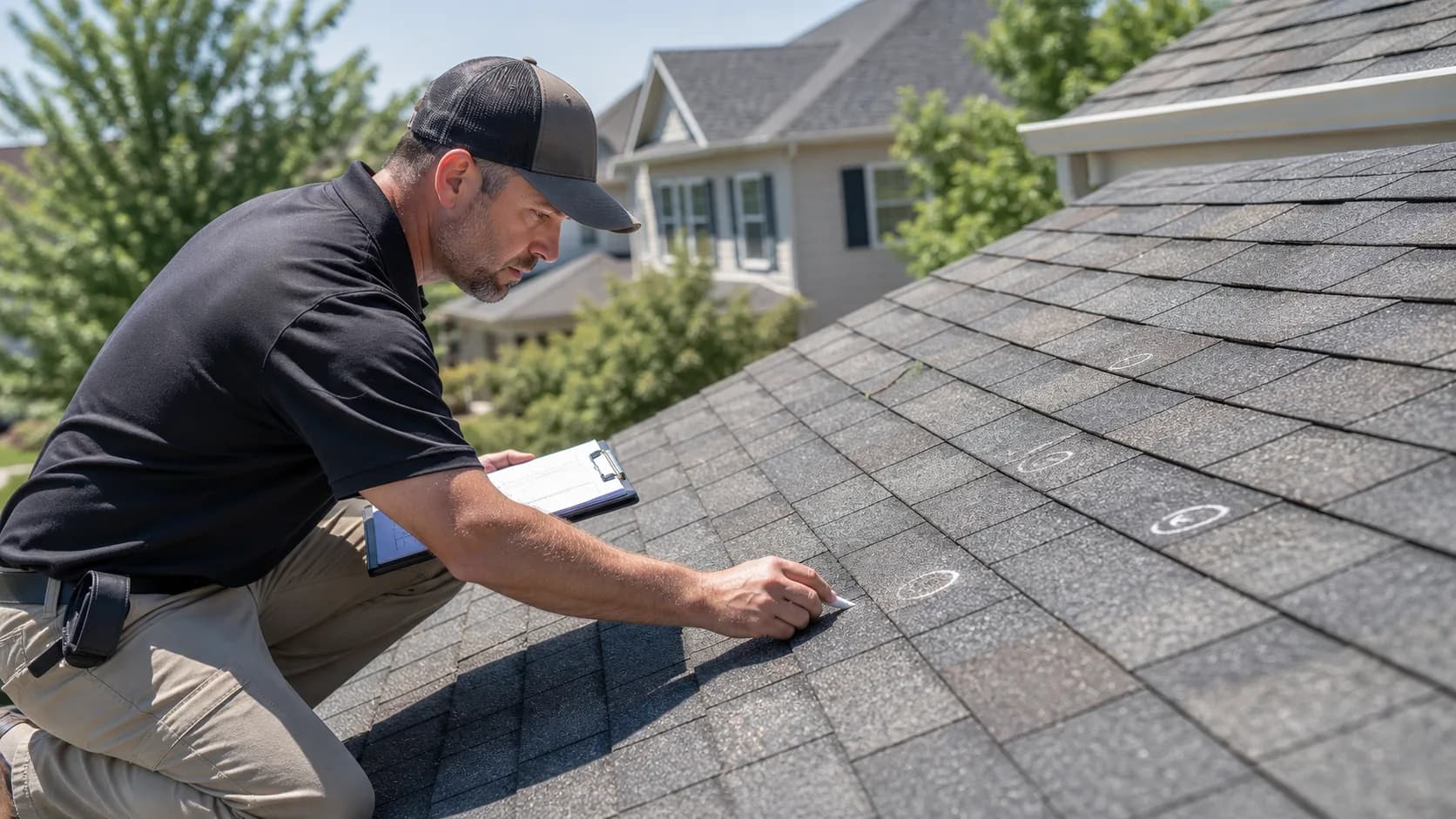
  • Third-party verification — an IBHS-certified evaluator confirms the work and issues the designation

There are three levels: FORTIFIED Roof (the practical starting point), Silver, and Gold. The designation is registered in the IBHS database and is valid for five years before a re-inspection renews it. You can read the full standard at fortifiedhome.org.

How FORTIFIED Handles Hail vs. Wind

Here is the honest nuance a lot of St. Louis marketing skips: the base FORTIFIED Roof standard is fundamentally a wind and water standard. Its sealed deck, ring-shank nailing, and enhanced edge metal are designed to stop wind uplift and keep wind-driven rain out. Those requirements absolutely help in St. Louis, because severe thunderstorms bring exactly that kind of wind and rain.

But hail is an impact problem, and the base FORTIFIED Roof standard does not, by itself, require an impact-resistant shingle. That is why in a hail-driven market like St. Louis, FORTIFIED works best when you combine it with a Class 4 impact-resistant shingle. The two solve different halves of the local threat:

Threat What Protects Against It Part of Base FORTIFIED Roof?
Hail impact on the shingle Class 4 (UL 2218) impact-resistant shingle Not required—add-on
Wind uplift and creasing Ring-shank nailing, enhanced edge metal, sealed starter Yes
Water intrusion after a breach Sealed roof deck Yes
Wind-driven rain at edges/penetrations Sealed deck + enhanced flashing Yes

The takeaway for St. Louis: build the FORTIFIED Roof for the wind and water, and spec a Class 4 shingle for the hail. Together they cover the full St. Louis threat.

The FORTIFIED Requirements That Matter Most Here

Every FORTIFIED requirement adds value, but a few carry extra weight in the St. Louis climate:

  • Sealed roof deck — After a bad hail event, shingles can be bruised or cracked and start shedding granules and shedding water. A sealed deck is the backup that keeps the home dry while you wait on an adjuster and a replacement. In a metro where post-hail contractor demand spikes for weeks, that backup matters.
  • Enhanced edge metal and starter — Straight-line thunderstorm winds attack the edges first. FORTIFIED's sealed, closely fastened edge details resist the creasing and peeling that show up on so many St. Louis wind claims.
  • Ring-shank nailing pattern — Freeze-thaw cycling and years of wind gradually loosen standard fasteners. Ring-shank nails hold far better over a Missouri roof's life.
  • Proper attic ventilation — Required under the standard and doubly useful here, where summer heat and winter ice both stress an under-ventilated attic.

Pairing FORTIFIED With Class 4 Impact-Resistant Shingles

A Class 4 shingle is the highest impact rating under the UL 2218 steel-ball test, which drops a two-inch ball to simulate hail. Class 4 shingles use SBS-modified ("rubberized") asphalt or a reinforced mat that resists cracking on impact. In a hail market, they are the single most useful shingle upgrade you can make.

We typically install GAF Armor Shield II as the Class 4 layer over a FORTIFIED sealed deck. The SBS-modified asphalt flexes rather than shatters when hail hits, and it handles Missouri's wide temperature swings well. A Class 4 shingle usually adds roughly 15-20% to the shingle cost—but in St. Louis, where hail is the leading cause of roof replacement, that upgrade often pays for itself over the life of the roof.

Important distinction: Impact resistance reduces hail damage; it does not make a roof hail-proof, and it does not by itself make a roof FORTIFIED. FORTIFIED is the verified installation standard; Class 4 is the shingle rating. In St. Louis you want both.

Insurance Discounts in Missouri: Verify, Don't Assume

This is where you should be careful, because the honest answer is "it depends on your carrier." Unlike the Gulf Coast, Missouri does not have a state-run FORTIFIED grant program, and there is no statewide FORTIFIED mandate for insurer discounts. What generally exists in Missouri is different:

  • Impact-resistant shingle discounts — Many Missouri insurers offer a premium credit for a verified Class 4 roof, because it reduces hail-claim frequency. The amount, the required proof, and even whether the discount exists at all vary by carrier and policy.
  • FORTIFIED documentation — A FORTIFIED designation gives your carrier a third-party-verified record of how the roof was built. Some carriers value that; others focus specifically on the impact rating. Ask yours directly.

We do not determine what discount you qualify for, and no honest contractor can promise you a number. The right move is to call your carrier before work starts and ask three things: (1) whether they offer an impact-resistant or FORTIFIED credit, (2) exactly what documentation they need—the manufacturer's product certificate, the FORTIFIED designation, or both, and (3) how the credit is calculated. Then verify anything you are told against your own policy and, if needed, the Missouri Department of Commerce & Insurance.

Compliance note

This is not insurance advice. Lapeyre Roofing does not make eligibility or discount determinations. Your insurer controls coverage and any premium credit under your policy. FORTIFIED standards: fortifiedhome.org. Last reviewed July 5, 2026 — verify with your insurer and the Missouri Department of Commerce & Insurance before relying on any discount.

How FORTIFIED Interacts With a Hail Claim

Most St. Louis roof replacements happen through a hail or wind claim, so it is worth understanding how FORTIFIED fits into that process.

  • The claim pays for the covered damage, not the upgrade. If hail damages your roof and the claim is approved, your insurer generally pays to replace what was there, subject to your deductible and policy terms. Upgrading the replacement to FORTIFIED and Class 4 is typically an out-of-pocket enhancement on top of the covered scope—though some policies with a "functional replacement" or ordinance provision behave differently, so verify yours.
  • A claim is the natural moment to upgrade. Because the deck is already being torn off and replaced, the incremental cost to build the new roof to FORTIFIED and add a Class 4 shingle is far lower than doing it as a standalone project later. If you are replacing anyway, this is the time.
  • FORTIFIED can reduce the next claim. The sealed deck and enhanced attachment are designed to limit wind and water damage in future storms, and a Class 4 shingle resists the hail that caused this claim. That is the long-game value—fewer and smaller future claims in a metro that gets hit repeatedly.
  • Documentation cuts both ways. We document every phase of the build. That record helps with any future claim and with the impact-resistant discount conversation, because carriers want proof of what is actually on the roof.

The Cost Delta on a Replacement

Here is the practical math. In our markets, asphalt-shingle replacement runs roughly $4-$6 per square foot installed, so a 2,000 sq ft roof lands around $8,000-$12,000 as a standard replacement. Building that same roof to FORTIFIED adds about 10-15%, and stepping up to a Class 4 impact-resistant shingle adds roughly 15-20% on the shingle portion. Regional labor and material pricing in the St. Louis metro can shift these numbers, so treat the ranges as planning figures and confirm with an in-person quote.

Build Level (2,000 sq ft roof) Typical Range What You Get
Standard asphalt replacement $8,000-$12,000 Code-minimum roof, standard nails, standard underlayment
FORTIFIED Roof (+10-15%) $8,800-$13,800 Sealed deck, ring-shank nailing, enhanced edge metal, evaluator certificate
FORTIFIED + Class 4 shingle $10,500-$16,000 The full St. Louis package: wind/water standard plus hail-resistant shingle

The FORTIFIED upgrade portion by itself—when you are already replacing—usually runs about $2,000-$4,500 for the sealed deck, enhanced edge metal, and evaluator inspection. In a hail market, the combined FORTIFIED-plus-Class-4 package is the version we recommend, because it addresses both halves of what St. Louis weather does to a roof.

Our Experience Building FORTIFIED for Hail Country

From our team: We built our FORTIFIED muscle on the Gulf Coast, where the enemy is the hurricane. Bringing that standard to St. Louis meant re-tuning the recommendation for a different storm. Down south, the sealed deck is everything because of wind-driven rain. In St. Louis it still matters, but the conversation always comes back to hail—so we pair the FORTIFIED build with a Class 4 shingle almost every time. The mistake we see homeowners make is treating "impact-resistant shingle" and "FORTIFIED" as the same thing. They are not. One is a shingle rating that fights hail; the other is a verified installation standard that fights wind and water. In a market that gets both, you want both. And on the insurance side, we tell every St. Louis homeowner the same thing we tell our Louisiana clients: get the answer from your own carrier in writing before you count on a discount. We build the roof and hand you the documentation; the credit is between you and your insurer.

-- Hunter Lapeyre, Owner

If you are replacing a hail-damaged roof in the St. Louis metro, the tear-off is already happening—which makes it the right and cheapest moment to build back stronger. Get a FORTIFIED-and-Class-4 quote alongside your standard replacement quote and compare the delta against what another decade of Missouri hail seasons is likely to cost you.

Frequently Asked Questions

Yes, but for different reasons than the Gulf Coast. St. Louis faces hail, straight-line thunderstorm winds, and occasional tornadoes. FORTIFIED's sealed deck, ring-shank nailing, and enhanced edge metal directly address the wind and water side of those storms. To cover the hail side, pair FORTIFIED with a Class 4 impact-resistant shingle. Together they address the full St. Louis threat.

Not by itself. The base FORTIFIED Roof standard is primarily a wind-and-water standard—it does not require an impact-resistant shingle. To get hail protection, you add a Class 4 (UL 2218) impact-resistant shingle over the FORTIFIED sealed deck. In St. Louis we recommend building both together.

It depends entirely on your carrier and policy. Many Missouri insurers offer a premium credit for a verified Class 4 impact-resistant roof because it reduces hail claims, and some also value the FORTIFIED designation. Amounts and required documentation vary, and we do not determine eligibility. Ask your carrier before work starts what credit they offer and what proof they need, then verify against your policy and the Missouri Department of Commerce & Insurance.

Building a replacement to FORTIFIED typically adds about 10-15% over a standard asphalt roof, and stepping up to a Class 4 shingle adds roughly 15-20% on the shingle portion. For a 2,000 sq ft roof, a standard replacement runs around $8,000-$12,000, FORTIFIED around $8,800-$13,800, and the combined FORTIFIED-plus-Class-4 package roughly $10,500-$16,000. Confirm with an in-person quote for your specific roof.

A hail claim generally pays to replace the covered damage subject to your deductible and policy terms, while upgrading the new roof to FORTIFIED and Class 4 is usually an out-of-pocket enhancement on top of the covered scope. Some policies with functional-replacement or ordinance provisions differ, so verify yours. Either way, a claim is the cheapest moment to upgrade because the deck is already being replaced.

A Class 4 shingle is a product rating (UL 2218) that measures a shingle's resistance to impact, which is what fights hail. FORTIFIED is a verified installation standard from IBHS—sealed deck, enhanced fastening, and edge details verified by an independent evaluator—which fights wind and water intrusion. They are not the same thing, and in a hail-and-wind market like St. Louis you benefit from both.

Five years. After that, an evaluator re-inspection can renew the designation. Ask your carrier how it handles renewal documentation and any credit tied to the roof, since that varies by insurer.

Hunter Lapeyre

Hunter Lapeyre

Owner & Lead Roofing Consultant, Lapeyre Roofing

GAF Certified ContractorFORTIFIED Roofing Evaluator5+ years Gulf Coast

Founder of Lapeyre Roofing, continuing a family legacy in Louisiana since 1699. Licensed in Louisiana, GAF Certified, and FORTIFIED Roofing specialist serving Texas and Louisiana.

Ready for Your Fortified Roofs Project?

Get a free inspection and estimate from our expert team.

Call (314) 333-7565