Call Now - Free Estimate
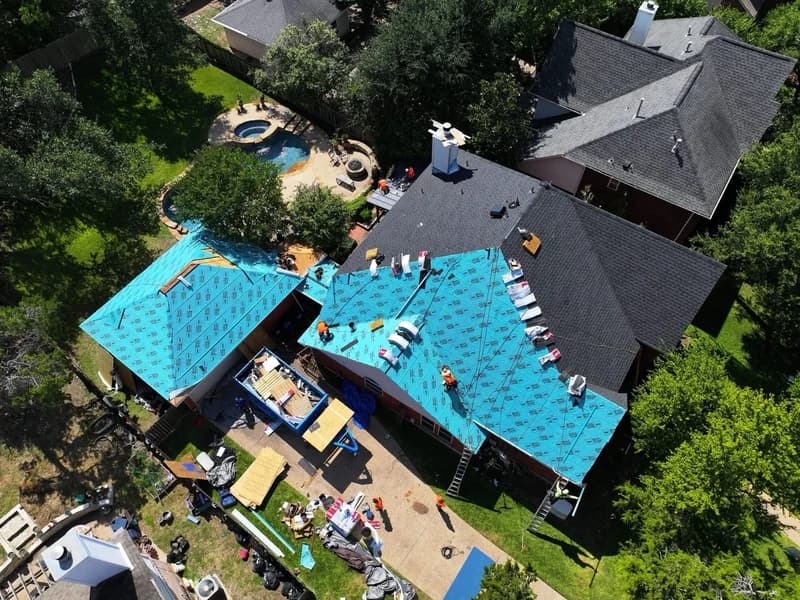
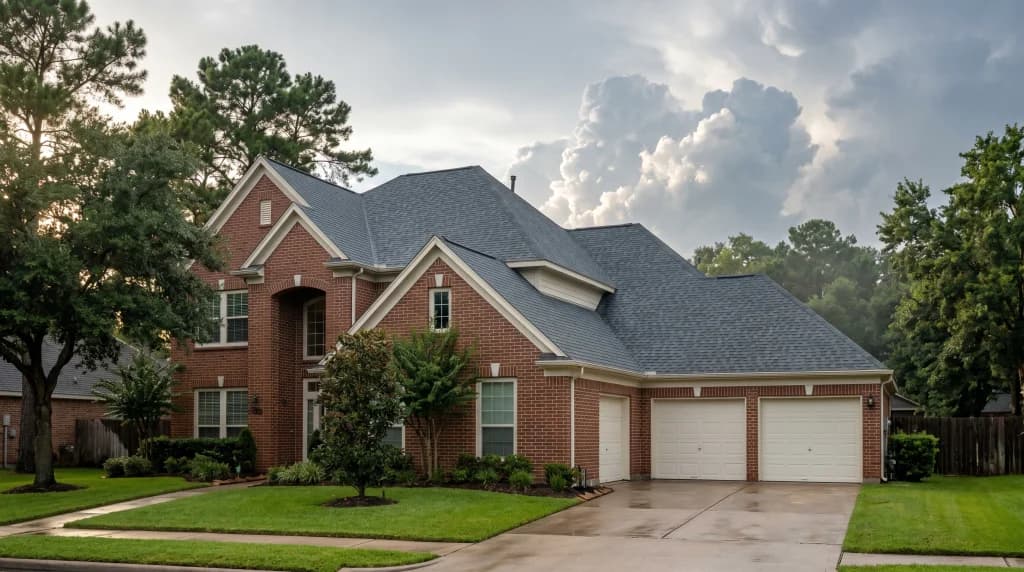
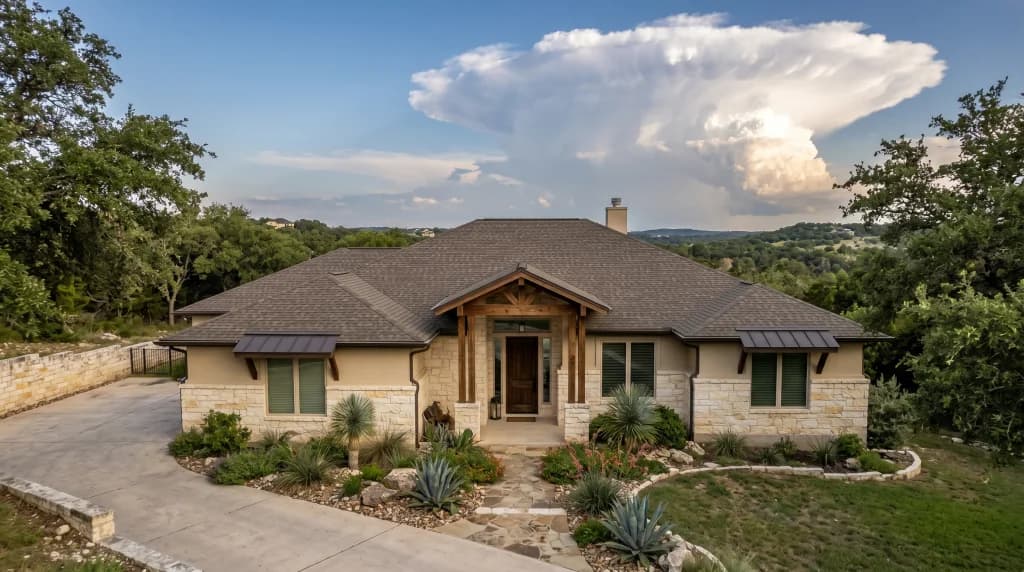
Texas home with a FORTIFIED roof and hail-resistant roof covering

Is a FORTIFIED Roof Worth It in Texas?

By Hunter Lapeyre·GAF Certified Contractor·FORTIFIED Roofing Contractor
10 min readJul 30, 2026

For many Texas homeowners, FORTIFIED is most cost-effective during a roof replacement—not as a stand-alone retrofit. This decision guide compares wind, hail, cost, certification, grants, and insurance.

The short answer: A FORTIFIED roof is often worth considering in Texas when your roof already needs replacement, your home faces repeated wind or hail exposure, and you want the sealed deck and independent documentation—not just a tougher shingle. It is less compelling as a stand-alone retrofit on a sound, relatively new roof. Any grant or insurance credit should improve the math, not be the only reason the project makes sense.

The wrong question is, "Is FORTIFIED always worth it?" Texas contains coastal hurricane zones, inland hail corridors, and lower-risk areas with different insurance markets. The useful question is whether the extra roof-system protection solves the risks at your address for a reasonable additional cost.

This guide gives you that decision framework. For the program news, see our Texas FORTIFIED roof grant tracker. For the construction standard itself, start with what a FORTIFIED roof is.

What You Are Actually Paying For

FORTIFIED is not a premium line of shingles. It is a roof-system standard from the Insurance Institute for Business & Home Safety (IBHS). The core roof-level upgrades target three common storm failures:

  • Water entering through deck seams after wind or hail damages the roof covering
  • The roof deck pulling away from the house under wind pressure
  • Wind getting under weak roof edges and peeling the system back

The system uses a sealed deck, enhanced fastening with ring-shank nails, stronger edge details, compliant roof coverings and components, and third-party evaluation. IBHS—not the roofer—issues the designation after the installation evidence is reviewed.

That evaluator is part of the value. The hidden details that make the system stronger are photographed before shingles cover them, giving the homeowner a durable record of what was installed.

When a FORTIFIED Roof Is Usually Worth Considering

Homeowner situation Why FORTIFIED may fit
The roof already needs full replacement The deck, edges, flashing, and roof covering are already exposed, so the resilience upgrade can be built into one project.
Repeated wind or hail exposure FORTIFIED protects attachment and water resistance; the optional Hail designation adds roof-cover requirements for impact exposure.
A long ownership horizon You have more time to benefit from stronger construction, documentation, and any carrier recognition.
The home has valuable interior finishes A sealed deck can reduce the chance that roof-cover damage becomes widespread attic, ceiling, wall, and contents damage.
Confirmed assistance or carrier credit Verified funding can reduce the upgrade cost, but only use benefits confirmed by the official program or insurer.

Real-world evidence supports the underlying resilience strategy. A study of more than 40,000 policies after Hurricane Sally found that FORTIFIED construction reduced claim frequency by 55% to 74% and loss severity by 14% to 40%, depending on designation level. That Alabama result is not a guaranteed Texas outcome, but it is stronger evidence than a product brochure because it compares insured homes after an actual storm. The Associated Press summary also notes that FORTIFIED homes represented almost one-quarter of the studied policies but only 9% of claims.

When FORTIFIED May Not Be the Best Next Dollar

FORTIFIED is a strong standard, not an automatic purchase. It may be a poor fit when:

  • Your current roof is young and sound. Tearing off a serviceable roof solely to earn a designation rarely makes financial sense.
  • The budget is needed for a more immediate hazard. Structural movement, active drainage problems, dangerous trees, flood exposure, or failing electrical systems can be higher priorities.
  • The contractor cannot coordinate an evaluator. Paying for upgraded details without the required documentation can leave you with no official designation.
  • You are relying on an unconfirmed discount. Texas carrier treatment varies. A sales estimate of future premium savings is not a substitute for a written carrier answer.
  • You expect a proposed grant to reimburse completed work. Texas has not published state grant rules, and work started before approval could be excluded.

A good roof decision can be "not yet." You can document the current condition, plan the FORTIFIED scope, and make the upgrade when replacement is actually due.

FORTIFIED Roof vs. Class 4 Shingles in Texas

This is the comparison Texas homeowners most often need. FORTIFIED and Class 4 are not substitutes.

Question FORTIFIED Roof Class 4 roof covering
What is it? A verified roof-system construction standard An impact-resistance classification for a product
Primary protection Wind attachment, edges, and water intrusion Impact damage to the roof covering
Third-party evaluator? Yes Not normally for the product rating alone
Sealed deck? Required Not created by the Class 4 label
Best Texas use Whole-system resilience Hail-resistant covering and possible carrier review

In hail-prone parts of Texas, ask about the FORTIFIED Hail designation—not only a generic FORTIFIED roof. Under the current IBHS standard, asphalt shingles seeking the Hail designation must meet IBHS hail-performance requirements; metal, tile, low-slope systems, skylights, and roof-mounted equipment have their own criteria. The exact product and project must be checked against the current standard.

How to Judge the Cost and Payback

The right calculation starts with the incremental upgrade cost, not the entire replacement. If a standard roof is $18,000 and the compliant FORTIFIED scope is $21,000, the decision is about the extra $3,000 plus evaluator costs—not whether a $21,000 roof pays for itself.

Use this worksheet:

  1. Get a standard replacement scope.
  2. Get a FORTIFIED scope showing the sealed deck, fastening, edges, components, evaluator, and designation deliverable.
  3. Add the Hail designation or selected impact-resistant roof covering if appropriate.
  4. Subtract only confirmed grant assistance.
  5. Subtract only a written, carrier-confirmed premium difference over a conservative ownership period.
  6. Decide what stronger construction and reduced water-intrusion risk are worth to you even if the financial incentives change.

IBHS says a typical roof-only evaluation costs about $275 to $600, but evaluators set their own fees. Roof size, deck condition, roof geometry, covering type, and local labor determine the rest of the upgrade price.

Austin and Houston Do Not Have the Same Answer

Austin and Central Texas

Hail and severe-thunderstorm wind drive the decision. A homeowner may prioritize the FORTIFIED High Wind and Hail path, a tested roof covering, sealed-deck protection, and clear product documentation for carrier review. See the line-item ranges in our Austin FORTIFIED roof cost guide.

Houston and the Gulf Coast

Hurricane wind, wind-driven rain, hail, and coastal corrosion can all matter. The address also determines whether TWIA windstorm certification is relevant. FORTIFIED certification and TWIA requirements are separate processes, so neither should be assumed to replace the other. See our Houston FORTIFIED roof cost guide.

Does the Proposed Texas Grant Change the Answer?

It could, but not yet. Governor Abbott proposed a $400 million Texas roof fortification fund in July 2026 with grants up to $10,000. The proposal has not been enacted, no application is open, and official eligibility rules do not exist.

If the program passes, a $10,000 award could materially change the value calculation for an eligible homeowner. Until then, treat it as a policy development to monitor. Do not sign a contract based on a contractor's promise that the state will reimburse you.

A separate FHLB Dallas program may offer current assistance to qualifying households through participating member financial institutions. It is not the proposed state program, and homeowners cannot apply to FHLB Dallas directly.

Texas FORTIFIED Roof Decision Checklist

  • Does the roof already need replacement?
  • Which hazards matter at this address: hail, high wind, hurricane, wind-driven rain, or coastal corrosion?
  • Which FORTIFIED designation and current technical standard apply?
  • Is the evaluator engaged before tear-off?
  • Does the written scope make the designation a required deliverable?
  • Is the selected covering eligible for the intended Hail designation?
  • What is the incremental cost over the same roof without FORTIFIED?
  • Has a grant or member institution confirmed funding in writing?
  • Has the insurer confirmed its documentation and credit rules in writing?
  • Would you still value the upgrade if the premium credit changes later?

Get the comparison in writing

Lapeyre Roofing can separate a standard replacement, FORTIFIED construction, and hail-resistant roof-covering options so you can see what each upgrade costs and what documentation it includes.

Compare My Texas Roof Options

Last reviewed July 30, 2026. Program availability and insurance treatment can change. Lapeyre Roofing does not determine grant or carrier eligibility.

Frequently Asked Questions

It is often worth considering when the roof already needs replacement, the home faces repeated wind or hail, and the homeowner values sealed-deck protection and independent documentation. It is less likely to make sense as a stand-alone retrofit on a young, sound roof.

They address different problems. FORTIFIED is a verified roof-system standard for deck attachment, sealed seams, edges, components, and documentation. Class 4 is an impact-resistance classification for a roof-covering product. Hail-prone Texas homes may benefit from using both when the products meet the current FORTIFIED Hail requirements.

The incremental cost depends on roof size, deck condition, covering type, geometry, local labor, and the evaluator. Compare a standard and a FORTIFIED scope for the same roof. IBHS says roof-only evaluator fees are typically about $275 to $600, with evaluators setting their own prices.

There is no universal Texas FORTIFIED discount. Recognition of FORTIFIED designations and impact-resistant roof coverings is carrier-specific. Ask the insurer in writing which product, certificate, invoice, photos, and exclusions apply before using a discount in your budget.

Do not delay emergency repairs or leave a leaking or unsafe roof exposed. If the roof can safely wait, monitor the proposal and gather documents. The proposed state program is not law, no application is open, and completed work may not qualify under future rules.

A contractor can build details that resemble the standard, but the home does not have an official FORTIFIED designation unless an independent evaluator documents the work and IBHS issues the designation. Engage the evaluator before tear-off so hidden stages can be verified.

Hunter Lapeyre

Hunter Lapeyre

Owner & Lead Roofing Consultant, Lapeyre Roofing

GAF Certified ContractorFORTIFIED Roofing Contractor5+ years Gulf Coast

Founder of Lapeyre Roofing, continuing a family legacy in Louisiana since 1699. Licensed in Louisiana, GAF Certified, and FORTIFIED Roofing specialist serving Texas and Louisiana.

Ready for Your Fortified Roofs Project?

Get a free inspection and estimate from our expert team.

Call (512) 877-3087