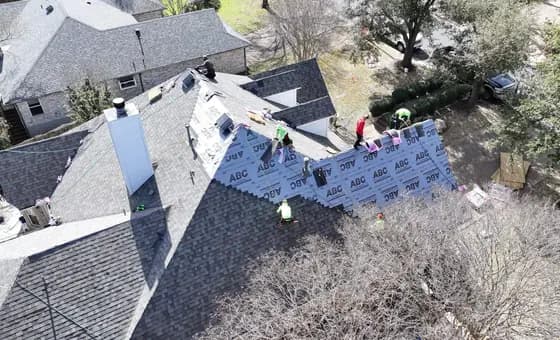
Plan a historic New Orleans roof project by coordinating material approval, the FORTIFIED evaluator, city permits, and installation documentation.
Separate the appearance decision from the roof-system decision
A historic New Orleans roof project can involve both an appearance review and a resilience objective. Start by identifying which visible features must be retained or reviewed, then ask how the proposed assembly can meet the project’s technical goals. Do not assume that selecting a FORTIFIED contractor settles the material-approval question.
The reverse is also true: approval of an exterior material does not establish a FORTIFIED designation. Keep the roof covering, architectural details, permit process, and evaluator documentation visible in the proposal. Each has an owner and a decision that must be resolved before the crew covers work that needs to be inspected.
Confirm the applicable historic review with the address
The City’s HDLC Express Lane guidance includes eligible roof replacements, including FORTIFIED work, when the scope meets its guidelines and application requirements. Eligibility is not a blanket approval for any material or a guaranteed schedule. Ask staff about your exact property and proposal, including whether another review body applies.
Prepare photographs of the visible roof, existing material, ridge details, and proposed replacement. Ask what samples or specifications are needed. If a contractor proposes changing the profile, color, or visible accessories, have those changes included in the review rather than describing the work only as “roof replacement.”
Bring the evaluator in before installation
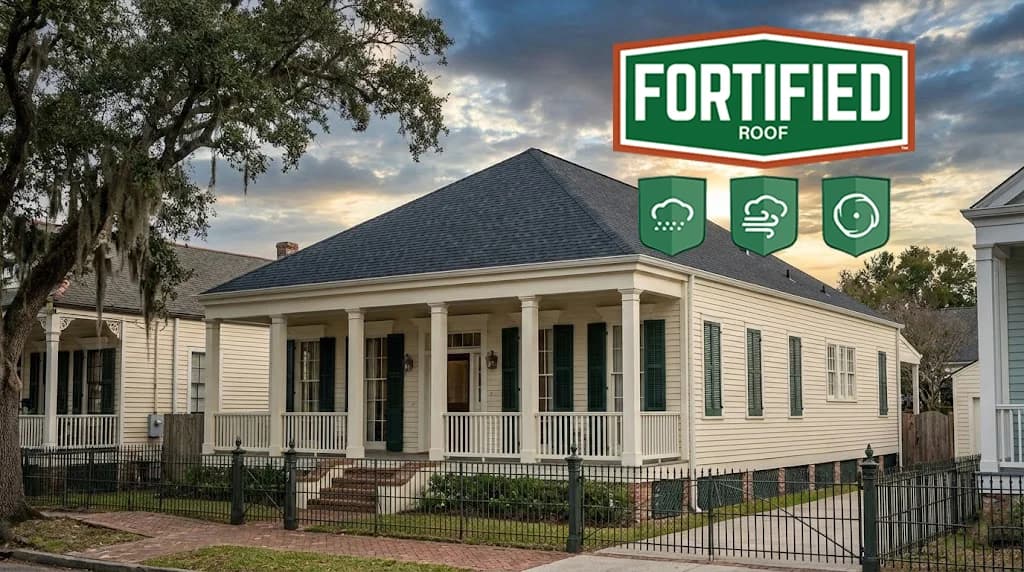
IBHS describes FORTIFIED Roof as an assembly with requirements beyond the visible covering. Ask a qualified evaluator what is needed to assess eligibility and document your proposed project. Request the evaluator’s involvement before the installation sequence is fixed, because concealed work may require evidence while it remains visible.
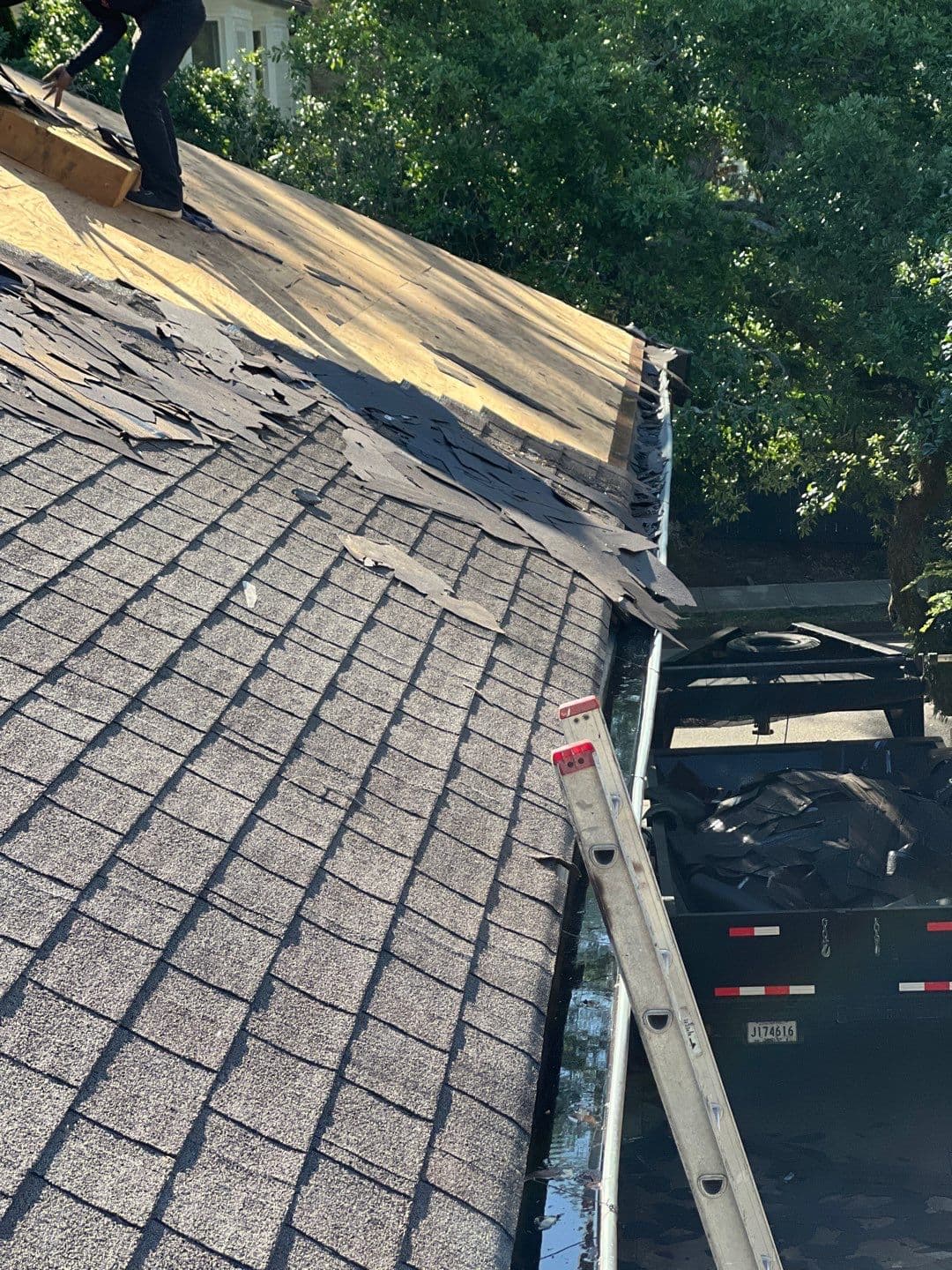
Have the contractor and evaluator resolve their responsibilities directly. Ask who supplies product data, who photographs the relevant stages, and who reviews missing information before the crew proceeds. A homeowner should not discover at closeout that the contractor assumed the evaluator was taking every photograph while the evaluator expected the contractor to supply them.
Compare permitted alternatives before changing the material
Use the HDLC design guidelines to frame the material discussion, then obtain property-specific direction. The guidelines address roof forms, coverings, and associated details. A familiar-looking substitute should be evaluated through the appropriate process, not accepted solely because it is described as “historic style.”
Ask for separate options when they are genuinely available: repair or reuse of existing material, replacement in kind, and a proposed alternative. Each option should explain approval assumptions, technical suitability, availability, and the effect on the evaluator’s requirements. Do not order special material until the relevant decisions are resolved.
Create one schedule with separate approvals
Make a shared sequence that shows historic review, the applicable building permit, material procurement, evaluator milestones, removal, installation, and final records. Ask which tasks depend on an issued approval and which can proceed as planning. Avoid a roof-open situation created by treating a pending application as completed.
For a hypothetical project retaining visible architectural features while upgrading the underlying assembly, the contractor may need both preservation details and installation evidence. Put those items beside the relevant construction stage. This is more useful than attaching several long documents to the contract and hoping every crew member discovers the important requirements.
Keep each outcome distinct at closeout
Request the issued permit and applicable completion record, historic approval documents, product and workmanship warranties, and the FORTIFIED designation if achieved. If an item is pending, identify who must act and what is still missing. Neither a roofing invoice nor an evaluator visit alone proves that the final designation was issued.
Request a New Orleans roof assessment and mention historic review and FORTIFIED objectives when booking. For the broader designation process, read our FORTIFIED certification guide. This article focuses on coordinating decisions; it does not promise approval, eligibility, a grant, or an insurance discount.
Published by
Lapeyre Roofing Editorial Team
Homeowner guides
Our editorial team publishes homeowner guides with sources linked in the article. For a recommendation about your roof, request an inspection of the property.
Found this helpful? Choose Lapeyre Roofing as a source you want to see on Google.
Add Lapeyre Roofing as a preferred source on Google (opens a Google window)