Decking is the roof’s supporting surface. A clear allowance explains what is included, how damage is documented, and how additional replacement is approved.
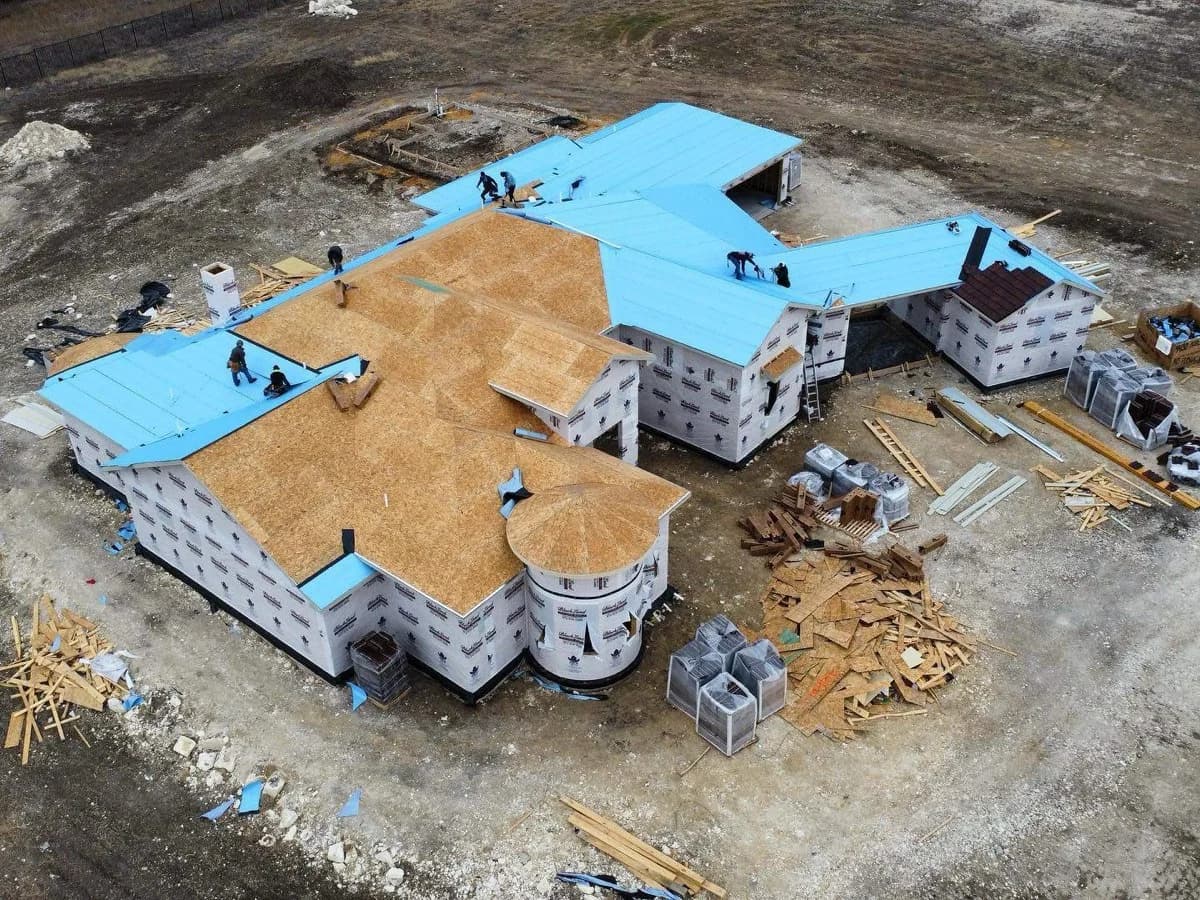
Roof decking, also called sheathing, is the supporting surface beneath the roof covering. Before a reroof, agree on how damaged or unsuitable decking will be identified, priced, and approved. This is one of the most useful conversations to have before tear-off exposes conditions that were previously concealed.
Which part of the roof is the decking?
GAF's decking guide identifies common wood deck materials including plywood, oriented strand board, and boards used in older assemblies. Decking is different from the underlayment and shingles placed above it. It is also different from the framing that supports it.
That distinction changes the questions you ask. Replacing damaged sheathing is not automatically the same scope as repairing rafters or trusses. If an estimate says “wood repair,” request the component and unit of measurement. Otherwise, you cannot tell whether a price covers panels, linear feet of framing, or only a small allowance.
What can be established before the roof is opened?
Ask which surfaces were accessible during inspection. An attic view, exterior observation, and full exposure after tear-off reveal different information. A contractor should explain what is known now and what remains conditional instead of promising that every concealed condition has been ruled out.
If the inspector recommends extensive replacement in advance, request the findings behind that recommendation. If the estimate assumes no replacement, ask how a necessary change would be handled. Neither an unexplained large allowance nor an unexplained zero allowance gives you a complete plan.
The goal is not to force certainty before inspection is possible. It is to establish an orderly approval process so the crew can address legitimate findings without turning every conversation into an urgent negotiation.
Read the included quantity and unit price together
A decking allowance should say what material and quantity are included, what replacement costs beyond that quantity, and what work the unit price covers. Removal, disposal, installation, and related fastening should not remain ambiguous.
Also ask how partial panels or irregular repairs are counted. A nominal panel covers a certain area before cutting, but the amount installed on a roof can differ. The proposed measurement method should be established before anyone uses it to calculate an invoice.
A hypothetical allowance calculation
Suppose a contract includes four replacement panels and uses an illustrative price of $120 per additional panel installed. After tear-off, the documented approved scope totals seven panels. The additional quantity is three, so the illustrated change is $360. These numbers demonstrate contract arithmetic; they are not Lapeyre pricing or a forecast for your home.
If the contractor instead bills all seven panels as extras, the included allowance has not been applied in that calculation. If other structural work is needed, it should be described separately rather than hidden inside the panel count.
Keep the original allowance, the photographs, and the approved change together. That creates a record another person can understand without relying on a rushed phone conversation from the jobsite.
What should be photographed?
- The exposed condition that supports replacement.
- The location on the roof, so close-ups have context.
- The area after replacement and before the next layer conceals it.
- Any additional condition that changes the agreed scope.
Ask the contractor how the replacement material and installation will meet the selected roof system and applicable requirements. Do not choose panel thickness from a generic internet recommendation. Support spacing, material ratings, and the existing assembly matter to that specification.
Keep payment approval separate from a technical conclusion: agreeing that work is necessary should still result in a clear quantity and price. A well-documented change protects both the homeowner and the contractor from later confusion.
Review the replacement sequence before scheduling, and make decking allowances part of the roof replacement proposal. The best time to define the process is before the roof is open.
Common questions
Frequently asked
No. The existing deck needs assessment for condition and suitability for the selected roof system. The scope should distinguish required replacement from an optional allowance.
Published by
Editorial team
Our editorial team publishes homeowner guides with sources linked in the article. For a recommendation about your roof, request an inspection of the property.
Found this helpful? Choose Lapeyre Roofing as a source you want to see on Google.
Add Lapeyre Roofing as a preferred source on Google (opens a Google window)