Roof Replacement Cost Austin TX 2026
Austin roof replacement costs $8,000-$25,000 in 2026. See prices by material, learn how insurance helps, and get a free estimate.
Understanding roof replacement costs helps you budget accurately and recognize fair pricing. Whether you're dealing with storm damage or an aging roof, this guide breaks down what Austin homeowners actually pay in 2026.
Storm damage repairs covered by insurance can significantly reduce your out-of-pocket expenses. We'll cover how insurance works and what factors affect your final price.
Average Roof Replacement Costs in Austin (2026)
Austin roof replacement costs vary based on roof size and material choice. Here's what homeowners typically pay:
| Material | Cost per Sq Ft | Average Home (2,000 sq ft) |
|---|---|---|
| Asphalt Shingles (3-tab) | $3.50-$5.50 | $8,000-$12,000 |
| Architectural Shingles | $4.50-$7.00 | $10,000-$16,000 |
| Metal (Standing Seam) | $9.00-$14.00 | $20,000-$32,000 |
| Impact Resistant Shingles | $5.00-$8.00 | $11,000-$18,000 |
These prices include labor, materials, tear-off of the old roof, and disposal. Premium upgrades like enhanced ventilation or underlayment add to the total cost.
Factors That Affect Your Roof Replacement Cost
Several factors influence what you'll pay for a new roof in Austin. Understanding these helps you evaluate quotes accurately.
Roof Size and Pitch
Larger roofs require more materials and labor hours. Steeper pitches (above 6:12) require additional safety equipment and slow down installation. A steep roof can add 10-20% to your total cost compared to a low-slope roof of the same size.
Material Selection
Asphalt shingles remain the most affordable option for Austin homes. Metal roofing costs more upfront but lasts 40-70 years versus 20-30 for asphalt. Impact resistant shingles fall in between and may qualify for insurance discounts.
Roof Complexity
Complex roofs with multiple valleys, dormers, skylights, and penetrations cost more to install. Each transition point requires careful flashing work. A simple gable roof costs less than a hip roof or multi-level design with the same square footage.
Existing Damage
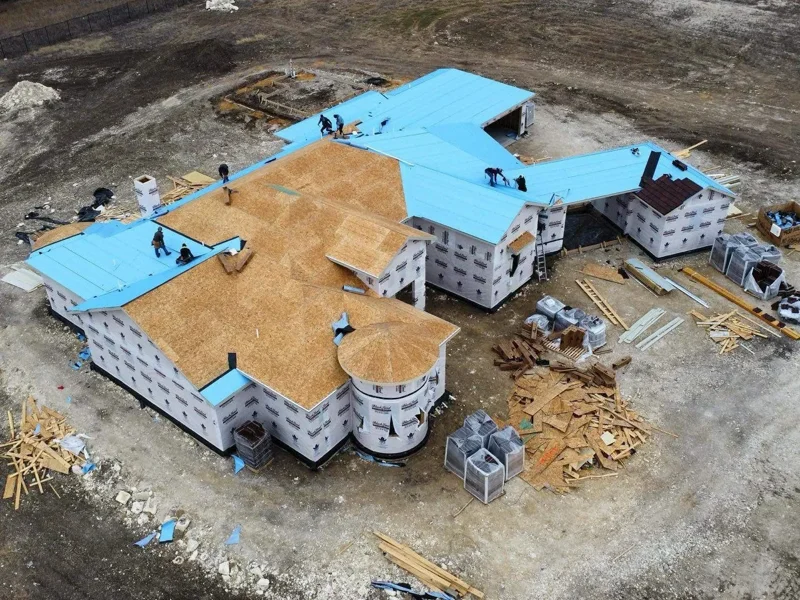
Damaged decking discovered during tear-off adds to your cost. Rotted plywood or OSB must be replaced before new shingles go on. Most contractors include minor repairs in their estimate but significant decking replacement is billed separately.
Does Insurance Cover Roof Replacement in Austin?
Texas homeowners insurance typically covers roof replacement when damage results from covered perils. Hail, wind, and storm damage are commonly covered events in Austin.
Insurance coverage depends on your policy type. Replacement Cost Value (RCV) policies pay to replace your roof with equivalent materials at current prices. Actual Cash Value (ACV) policies deduct depreciation based on roof age.
The claims process typically works like this:
- Document damage and file a claim with your insurer
- Insurance adjuster inspects your roof
- You receive an initial estimate
- Your contractor may identify additional damage requiring a supplement
- Insurance pays the claim minus your deductible
At Lapeyre Roofing, we specialize in insurance claims and supplements. We've helped Austin homeowners recover thousands more in coverage through proper documentation and negotiation.
Getting an Accurate Roof Replacement Estimate
Quality roofing contractors provide detailed written estimates after inspecting your roof. Be wary of quotes given over the phone without seeing your home.
A thorough estimate should include:
- Total square footage and price breakdown
- Specific materials and brands to be used
- Tear-off and disposal included
- Permit costs
- Timeline for completion
- Warranty information
- Payment terms
Get three estimates from licensed, insured contractors. The lowest bid isn't always the best value. Compare materials, warranties, and contractor reputation alongside price.
Red Flags to Watch For
Avoid contractors who demand large upfront payments or offer prices significantly below market rates. Storm chasers who appear after severe weather often deliver poor quality work and disappear when problems arise.
Check contractor licensing with the Texas Department of Licensing and Regulation. Verify insurance coverage includes workers' compensation and general liability. Ask for local references and check online reviews.
What Material Is Best for Austin Roofs?
Austin's climate presents specific challenges for roofing materials. Hot summers, occasional hail, and strong storms mean your roof must handle heat, impact, and wind.
Asphalt shingles work well for most Austin homes. Architectural shingles offer better durability and appearance than basic 3-tab. Impact resistant shingles (Class 4) provide hail protection and often qualify for insurance discounts of 10-28%.
Metal roofing excels in Austin's heat. Metal reflects solar radiation, reducing cooling costs by 10-25%. Standing seam systems resist high winds and last decades longer than shingles. The higher upfront cost pays off through longevity and energy savings.
Impact resistant products deserve serious consideration given Austin's hail risk. Insurance premium savings over the roof's lifetime often offset the higher installation cost.
Our Experience in Austin
From our team: Having completed hundreds of roof replacements in the Austin metro area, we've seen material costs stabilize after several years of supply chain volatility. The average Austin homeowner we work with in 2026 invests around $13,500 for a complete tear-off and replacement with GAF Timberline HDZ shingles, including enhanced attic ventilation for Texas heat. For customers with storm damage claims, we've successfully supplemented initial insurance estimates by an average of 15-20% through proper documentation of all damage.
-- Hunter Lapeyre, Owner
Want the complete picture?
Read our comprehensive Roof Replacement Guide → for everything you need to know about replacing your roof, from costs and materials to the insurance claims process.
Frequently Asked Questions
A roof replacement in Austin typically costs between $8,000 and $25,000 for most residential homes in 2026. The exact price depends on roof size, materials chosen, and complexity. Asphalt shingles cost $8,000-$16,000, while metal roofing runs $20,000-$32,000.
Most Austin roof replacements complete in 1-3 days for standard residential homes. Complex roofs or weather delays can extend the timeline. Your contractor should provide a specific schedule before work begins.
Texas homeowners insurance typically covers roof replacement when damage results from covered perils like hail, wind, and storms. Replacement Cost Value (RCV) policies pay to replace your roof at current prices, while Actual Cash Value (ACV) policies deduct depreciation.
You don't need to be home during installation. However, someone should be available by phone to answer questions if unexpected issues arise. Make sure your contractor has clear instructions and access to necessary areas.
For Austin's climate, impact-resistant asphalt shingles or metal roofing perform best. Impact-resistant shingles protect against hail and may qualify for insurance discounts of 10-28%. Metal roofing reflects heat, reducing cooling costs by 10-25%.
While Texas code sometimes permits overlay installation, we recommend full tear-off for Austin homes. Removing old materials allows inspection of the deck for damage and provides a better foundation for new shingles.

Hunter Lapeyre
Owner & Lead Roofing Consultant, Lapeyre Roofing
Founder of Lapeyre Roofing, continuing a family legacy in Louisiana since 1699. Licensed in Louisiana, GAF Certified, and FORTIFIED Roofing specialist serving Texas and Louisiana.