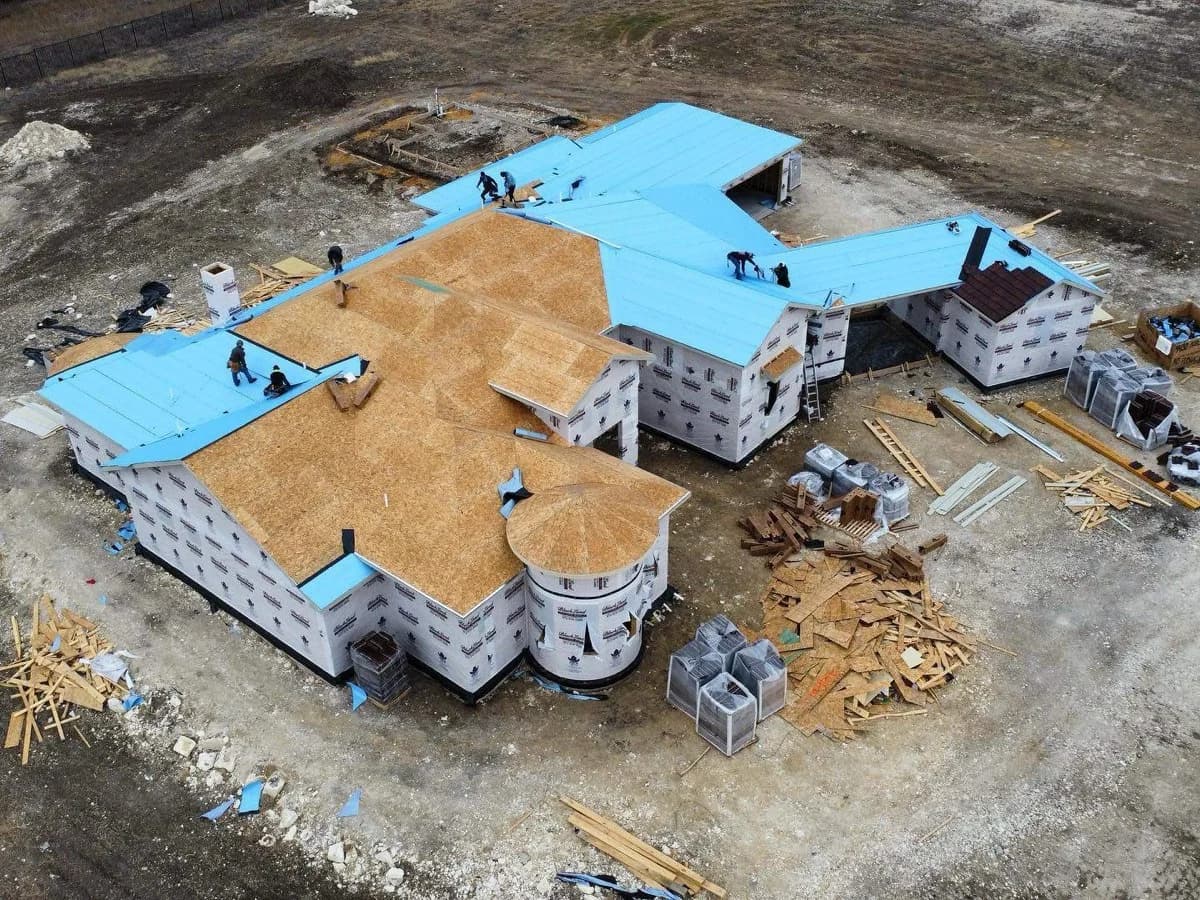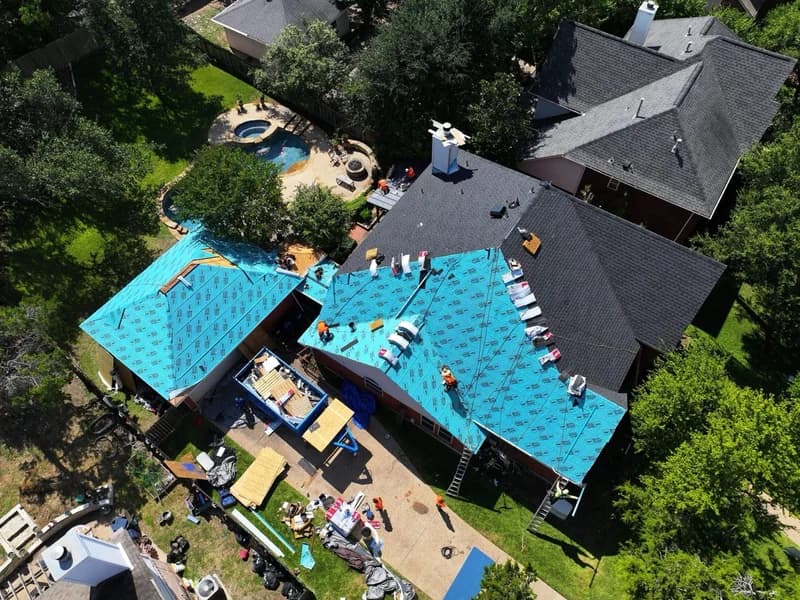
Drip edge is shaped metal flashing at the roof perimeter. The important question is how it connects the roof covering, underlayment, and gutter.
Drip edge is shaped metal flashing at a roof perimeter that helps direct runoff away from the edge and into the intended drainage path. Its performance depends on its profile and connection to the surrounding roof layers. A strip of visible metal alone does not prove that the edge detail is correct.
How it differs from fascia and the gutter
GAF technical bulletin R-141 describes drip edge as roof-edge flashing and discusses shingle overhang and gutter alignment. The fascia faces outward below the roof edge; the gutter collects runoff. These parts interact, but replacing one does not automatically repair the others.
The bulletin also distinguishes a suitable drip-edge profile from simple L-shaped metal. For a homeowner, the practical step is to ask the installer to identify the intended profile and explain how it works at this roof's perimeter. Avoid ordering generic trim solely because its color matches.
Why the layer sequence matters
Water should follow the intended path across connected materials. The eave is the lower edge where runoff leaves a slope; the rake is the sloping edge beside a gable. They are not interchangeable locations when reading an installation detail.
IKO's shingle-installation guide illustrates how edge flashing and underlayment are coordinated. Ask the contractor to follow the current instructions for the selected assembly rather than copying one detail onto every edge regardless of location.
The same principle applies when a leak barrier or another component changes the assembly. The homeowner does not need to prescribe the layer order. The proposal should identify the system clearly enough that the contractor can explain and photograph its specified edge detail.
Water behind a gutter needs a diagnosis
If you notice water or staining behind a gutter, photograph the location from the ground and note when it occurs. A blocked gutter, a joint problem, an edge detail, or another defect may require a different scope. Ask the inspector to document the actual finding instead of prescribing new flashing from the stain alone.
Request separate treatment of visible damage and its cause. If the backing is damaged, ask how it will be inspected when exposed. Covering deteriorated material with fresh metal can make the edge look finished without establishing that the support and water path are sound.
Understand the linear-foot takeoff
Drip edge is counted by the lengths requiring installation, not the roof's square footage. Consider a hypothetical roof with 100 feet of eaves and 80 feet of rakes. The starting measurement is 180 linear feet. The material order must then account for the selected stock lengths, overlaps, corners, and cutting.
That does not mean eighteen nominal ten-foot pieces necessarily cover the job. Installed coverage can differ from the sum of uncut stock lengths. Ask the estimator to explain the allowance rather than removing material from the order because the raw arithmetic looks exact.
For a partial repair, identify the start and stop points. “Replace drip edge” could mean one damaged section or the whole perimeter. A marked photograph is often the simplest way to establish the same scope for all bidders.
Settle these details before work starts
- Which eave and rake lengths are included?
- What metal profile and finish are specified?
- What adjacent shingles or gutter components must be disturbed?
- How will damaged backing be documented and approved?
- How will the edge connect to the specified roof layers?
- What photographs will show the work before it is concealed?
During a complete reroof, discuss the edge at the same time as underlayment, starter, and gutter coordination. During a repair, ask whether removing an existing component can affect adjacent material that is intended to remain. The scope should explain that boundary.
Save completion photographs and the selected material information. For related drainage questions, review our gutter-sizing guide. A roof installation assessment should connect each roof layer to the edge rather than treating perimeter metal as a decorative finish.
Common questions
Frequently asked
No. Fascia wrap covers the outward-facing trim; drip edge is roof-edge flashing. Their profiles and connection to the roof assembly serve different purposes.
Published by
Editorial team
Our editorial team publishes homeowner guides with sources linked in the article. For a recommendation about your roof, request an inspection of the property.
Found this helpful? Choose Lapeyre Roofing as a source you want to see on Google.
Add Lapeyre Roofing as a preferred source on Google (opens a Google window)