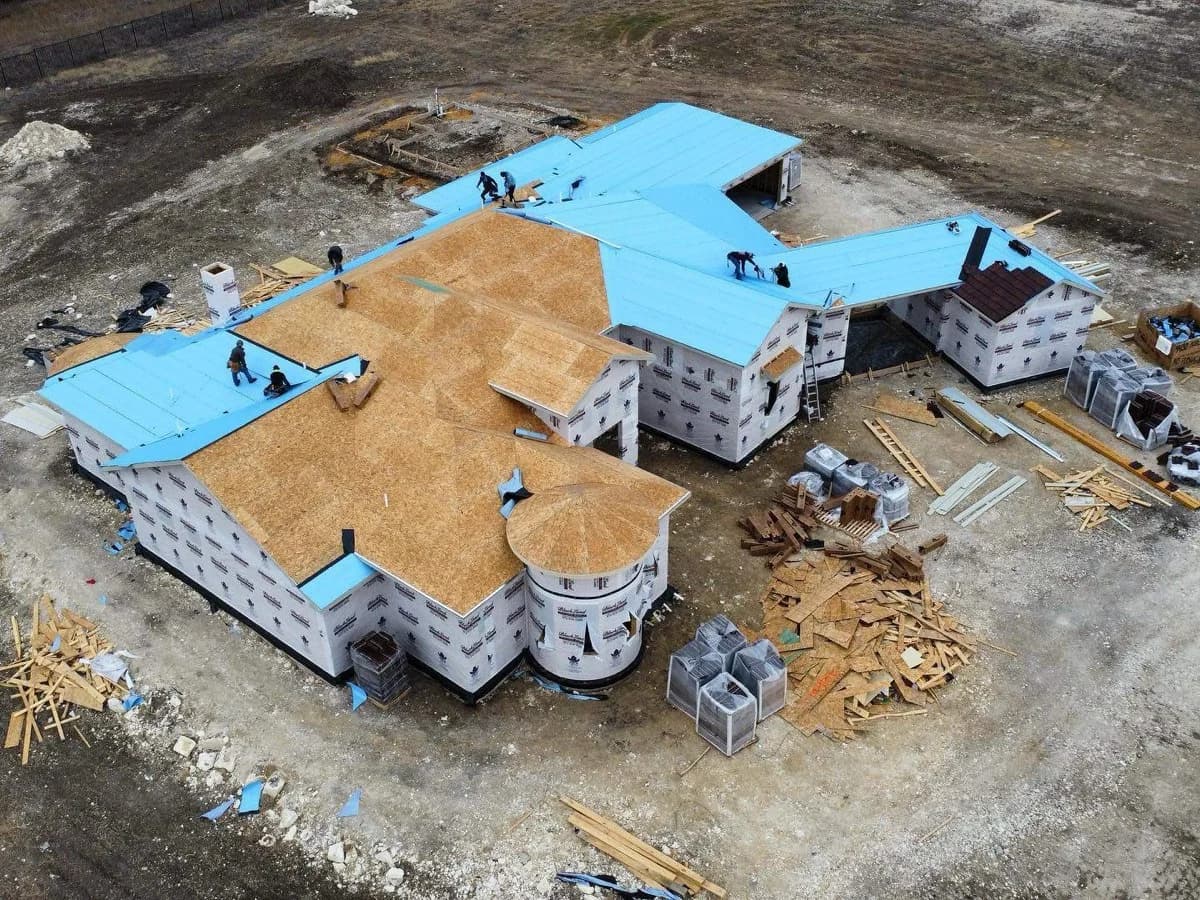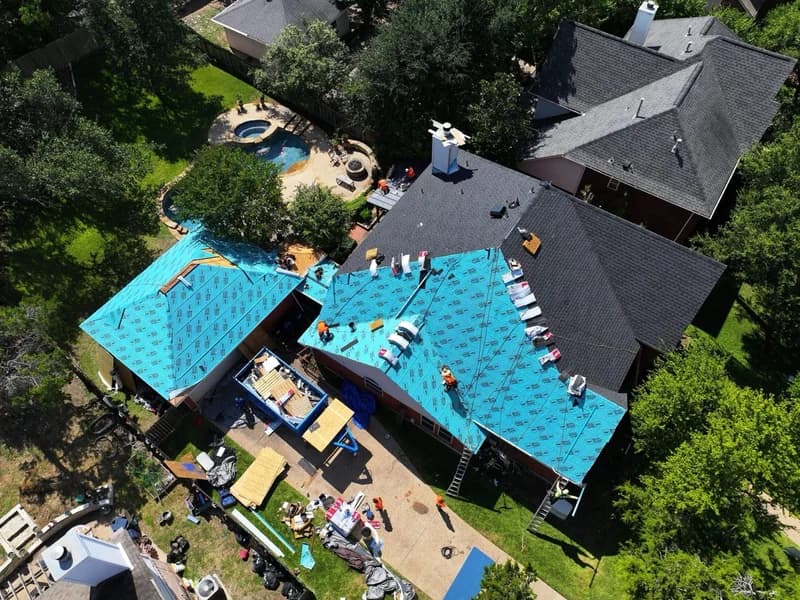
Valleys collect runoff where roof slopes meet. Choose the detail allowed by the selected roof system and document how a repair ties into surrounding materials.
An open roof valley leaves a metal drainage channel visible between adjoining shingle slopes. A closed valley uses shingles over the valley area. The right choice is the detail permitted by the selected roof system and suited to the roof geometry, not simply the appearance a homeowner prefers in a photograph.
What are you looking at from the ground?
A valley is the inward junction of two roof slopes. It is different from a ridge or hip, which projects outward. In an open valley, visible metal can be intentional. In a closed-cut arrangement, shingles form the visible finish along the junction. A woven arrangement is another method and should not be assumed equivalent to either.
IKO's valley guide compares these methods and recommends open metal valleys for its shingle installations. Use that guidance for the manufacturer's products; do not turn one manufacturer's recommendation into an unsupported statement that every other roof assembly is defective.
The product choice and detail must agree
Ask the installer for the current valley instructions for the selected shingles. The specification should identify the valley covering, underlying layers, and relevant limitations. A contract that names the shingle brand but leaves the valley method undecided is not fully describing the assembly.
If you are comparing an open-metal option with a shingle-covered option, ask whether both are permitted for the exact product. If not, the proposals are not merely aesthetic alternatives. The contractor should explain the approved choice before a price comparison distracts from that requirement.
A valley repair can extend beyond the visible line
Ask which adjoining shingles or layers must be disturbed to complete the repair. A narrow stain or damaged section does not necessarily establish the practical repair boundary. Conversely, a valley issue does not automatically establish that every roof slope needs replacement.
Request a marked photograph showing the proposed work area and an explanation of how the new materials will connect to the retained roof. This is particularly useful when the existing covering is aged or a color match is uncertain. Appearance and technical repairability should be discussed separately.
If debris prompted the inspection, ask whether the finding is limited to cleaning or whether there is documented damage. Avoid walking into the valley to check it yourself. Ground photographs can document the location while the contractor handles close access safely.
Compare two proposals using the same roof sketch
Suppose a roof has two 18-foot valleys. Proposal A includes new valley metal and surrounding shingle work in both. Proposal B says “repair valley leak” without a length. The first comparison question is which valley B addresses and where its repair starts and ends.
Next ask what diagnosis supports each scope. One valley may be sound while the other has a confirmed defect. Or a reroofing proposal may intentionally replace both as part of a complete assembly. The measurements alone do not settle which job is appropriate.
If metal is specified, confirm the profile, material, and visible finish. If shingles are specified, confirm the permitted method. Do not approve a change based only on the fact that the final color will be less noticeable.
What should be documented before covering?
- The selected manufacturer's valley detail.
- The measured locations and lengths in the scope.
- Any exposed damage found during removal.
- The installed underlying layers before the finish conceals them.
- The completed transition into retained or new roof areas.
Keep the photographs and product information with the final invoice. They help distinguish a future maintenance issue from an unknown original installation detail. If a contractor later proposes a different method, the existing record gives that conversation a clear starting point.
For a larger project, settle valley details during the roof installation assessment. For a localized problem, compare the evidence and remaining roof condition using our repair-versus-replacement guide.
Common questions
Frequently asked
Not necessarily. An open valley intentionally leaves the metal drainage channel visible. Identify the specified design before calling it incomplete.
Published by
Editorial team
Our editorial team publishes homeowner guides with sources linked in the article. For a recommendation about your roof, request an inspection of the property.
Found this helpful? Choose Lapeyre Roofing as a source you want to see on Google.
Add Lapeyre Roofing as a preferred source on Google (opens a Google window)