Should you repair or replace your roof? Learn the key factors—age, damage extent, costs, and insurance—that determine the right choice.
The repair-or-replace decision is one of the most significant financial choices homeowners face with their roofing system. Get it right, and you save thousands while protecting your home. Get it wrong, and you either waste money on a roof that should have been replaced or pay for a replacement you did not need.
This guide provides a practical framework for making this decision based on the factors that actually matter: roof age, damage extent, cost comparison, insurance considerations, and energy efficiency.
The Decision Framework: Repair vs Replace
Before diving into details, here is the quick decision matrix most roofing professionals use:
| Factor | Lean Toward Repair | Lean Toward Replacement |
|---|---|---|
| Roof Age | Under 15 years | Over 20 years |
| Damage Area | Less than 25% of roof | More than 30% of roof |
| Repair Cost | Under 30% of replacement cost | Over 50% of replacement cost |
| Previous Repairs | First or second repair | Third repair or more |
| Plans for Home | Selling within 5 years | Staying 10+ years |
These are starting points, not hard rules. The right answer depends on your specific situation, which we will break down section by section.
Roof Age: The Foundation of Your Decision
Your roof's age is the single most important factor in the repair-vs-replace calculation. Different materials have different lifespans, and understanding where your roof falls in its lifecycle changes the math entirely.
Expected Lifespan by Material
| Material | Expected Lifespan | Repair Cutoff |
|---|---|---|
| 3-Tab Asphalt Shingles | 15-20 years | 12-15 years |
| Architectural Shingles | 25-30 years | 18-22 years |
| Metal Roofing | 40-70 years | 30-50 years |
| Tile or Slate | 50-100 years | 40-75 years |
The "repair cutoff" represents the point where investing in repairs typically no longer makes financial sense. Past this age, even if the current issue is minor, you are likely to face additional problems soon.
Key principle: If your roof is within 5 years of its expected lifespan, replacement almost always makes more sense than significant repairs. The remaining useful life is too short to justify the investment.
Assessing the Extent of Damage
Not all roof damage is equal. A few missing shingles from last week's storm is a completely different situation than widespread granule loss from years of weathering.
Localized vs Systemic Damage
Localized damage affects a specific area--usually less than a few hundred square feet. Common causes include fallen branches, isolated storm damage, or failed flashing around a single penetration. This is almost always repairable.
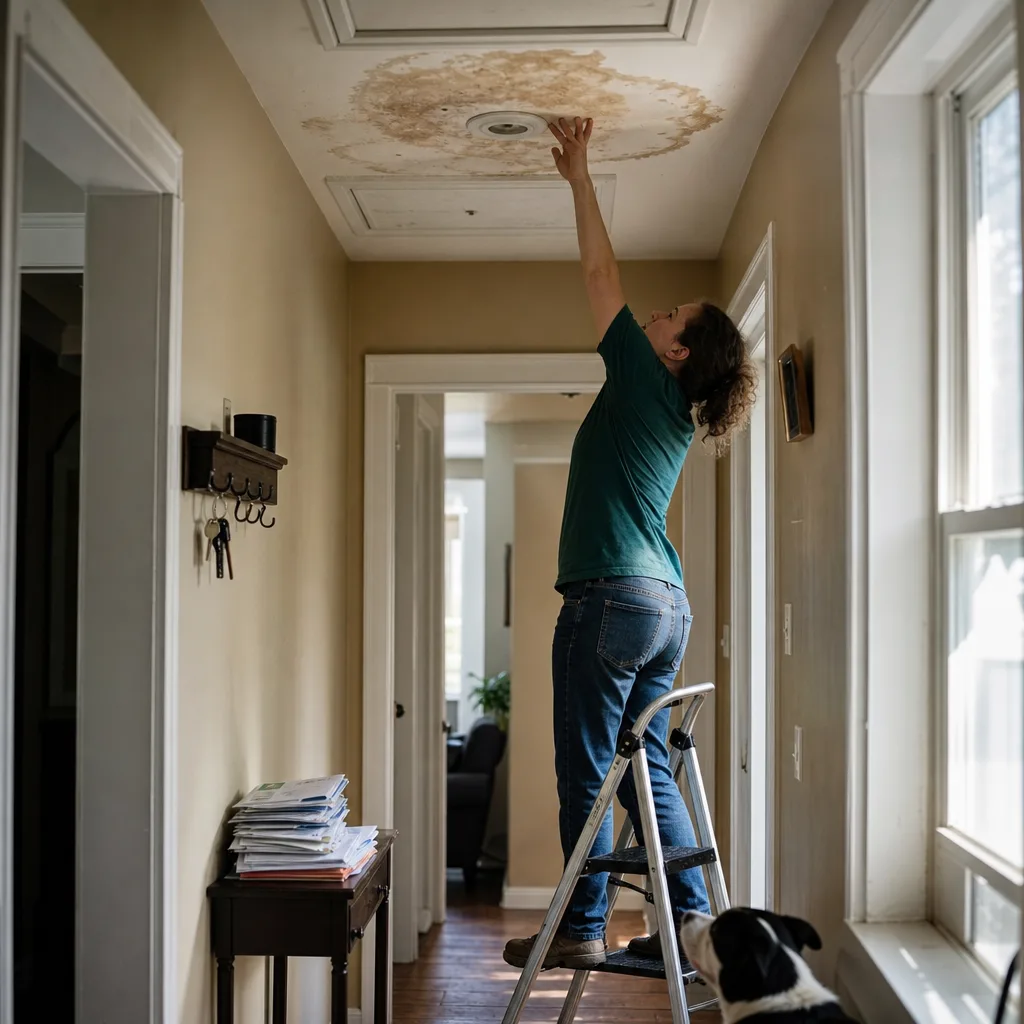
Systemic damage affects the entire roof or large sections. Signs include widespread granule loss, curling or cracking across multiple areas, sagging decking, or persistent leaks despite previous repairs. Systemic issues typically require replacement.
Warning Signs That Indicate Replacement
- Multiple leaks in different areas -- One leak is a repair; three leaks suggest systemic failure
- Visible daylight through the roof deck -- Indicates structural compromise
- Sagging or uneven roof lines -- Suggests deck damage requiring full tear-off
- Granules filling your gutters -- The shingles are shedding their protective layer
- Shingles that crack when touched -- Material has reached end of life
- Moss or algae growth covering large areas -- Moisture is trapped beneath the surface
Cost Analysis: The Math That Matters
The financial comparison between repair and replacement is not as simple as comparing two quotes. You need to consider the total cost of ownership over your expected time in the home.
The 30% Rule
A widely-used guideline: if the repair cost exceeds 30% of the replacement cost, replacement usually offers better value. Here is why the math works:
- Repairs on aging roofs often lead to additional repairs within 2-3 years
- Replacement comes with full warranties; repairs typically have limited coverage
- New roofs reset the depreciation clock for insurance purposes
Example Cost Comparison
Consider a 22-year-old architectural shingle roof with storm damage covering about 25% of the surface:
| Scenario | Initial Cost | 5-Year Likely Total |
|---|---|---|
| Repair damaged area | $3,500 | $3,500 + likely replacement = $15,000+ |
| Full replacement now | $12,000 | $12,000 |
In this scenario, the repair looks cheaper initially but costs more over time because the remaining roof sections will likely fail within a few years. If the upfront cost of replacement is a concern, flexible roof financing options--including 0% interest for 18 months--can make the smarter long-term choice accessible now rather than later.
Insurance Factors: What Your Policy Covers
Insurance considerations can dramatically change the repair-vs-replace equation. Understanding your coverage type and how claims affect your premiums is essential.
RCV vs ACV Policies
Replacement Cost Value (RCV) policies pay to replace your roof with equivalent materials at current prices. If your policy includes RCV coverage and damage is from a covered peril (storm, hail, wind), full replacement may cost you only your deductible.
Actual Cash Value (ACV) policies deduct depreciation based on roof age. A 20-year-old roof might only receive 20-30% of replacement cost, making repairs more attractive financially even when replacement would be ideal.
When Insurance Favors Replacement
- Damage clearly caused by a covered event (storm, hail, wind)
- You have RCV coverage with reasonable deductible
- Damage is documented before temporary repairs are made
- Your contractor can properly supplement the claim if the adjuster underestimates
When Insurance Favors Repair
- Damage is minor and barely exceeds your deductible
- You have ACV coverage on an older roof
- Filing a claim would be your second or third in recent years (risk of non-renewal)
- Damage resulted from wear and tear rather than a covered event
Energy Efficiency: The Hidden Cost Factor
Older roofs often lose energy efficiency in ways that do not show up in obvious damage. Consider these factors:
Ventilation
Inadequate attic ventilation forces your HVAC system to work harder year-round. A roof replacement provides the opportunity to upgrade ventilation--adding ridge vents, soffit vents, or powered ventilation that can reduce cooling costs by 10-15% in hot climates.
Insulation Access
Full tear-off allows inspection and upgrade of attic insulation. Many older homes have inadequate insulation that wastes hundreds of dollars annually in heating and cooling costs.
Reflective Materials
Modern roofing materials, especially metal and certain "cool roof" shingles, reflect more solar radiation than older products. In Texas and Gulf Coast climates, this can reduce cooling costs by 15-25%.
When Roof Repair Makes Sense
Repair is typically the right choice when:
- Your roof is less than 10-15 years old and the damage is localized
- Damage affects less than 25% of the roof and the rest is in good condition
- Repair cost is under 30% of replacement cost
- You plan to sell within 5 years and the roof will pass inspection
- This is the first significant repair since installation
- The damage is from an isolated incident (fallen tree, single missing shingle) rather than systemic failure
Pro tip: Always have a contractor evaluate the entire roof, not just the damaged area. Hidden problems elsewhere change the calculation entirely.
When Roof Replacement Is Better
Replacement is typically the right choice when:
- Your roof is over 20 years old (for asphalt shingles) or near end of expected lifespan
- Damage affects more than 30% of the roof or appears in multiple separate areas
- You have had two or more significant repairs in the past five years
- Insurance will cover most of the cost due to storm damage and RCV coverage
- You plan to stay in the home for 10+ years
- The deck shows signs of rot or structural damage
- You want to upgrade to impact-resistant or energy-efficient materials
- Your roof already has two layers of shingles (many codes prohibit a third layer)
Repair Methods: Patch vs Overlay vs Tear-Off
When repair or limited replacement is appropriate, you have three main options. Understanding the differences helps you evaluate contractor recommendations.
Patching (Spot Repair)
Patching involves replacing only the damaged shingles or small sections. This is appropriate for:
- Storm damage affecting a small area
- Missing or cracked shingles on an otherwise healthy roof
- Failed flashing around a single penetration
Cost: $300-$1,500 for minor repairs; $1,500-$4,000 for larger sections
Limitation: New shingles may not perfectly match aged existing shingles in color or texture.
Overlay (Re-Roofing)
Overlay installs new shingles directly over the existing layer without tear-off. This costs less than full replacement but comes with tradeoffs:
Pros:
- Lower labor cost (no tear-off or disposal)
- Faster installation
- Less disruption to the home
Cons:
- Cannot inspect or repair underlying deck
- Adds weight to roof structure
- Voids some manufacturer warranties
- May not be allowed by code (most jurisdictions limit to two layers)
- Reduces shingle lifespan due to trapped heat
Cost: 20-30% less than tear-off replacement
Complete Tear-Off and Replacement
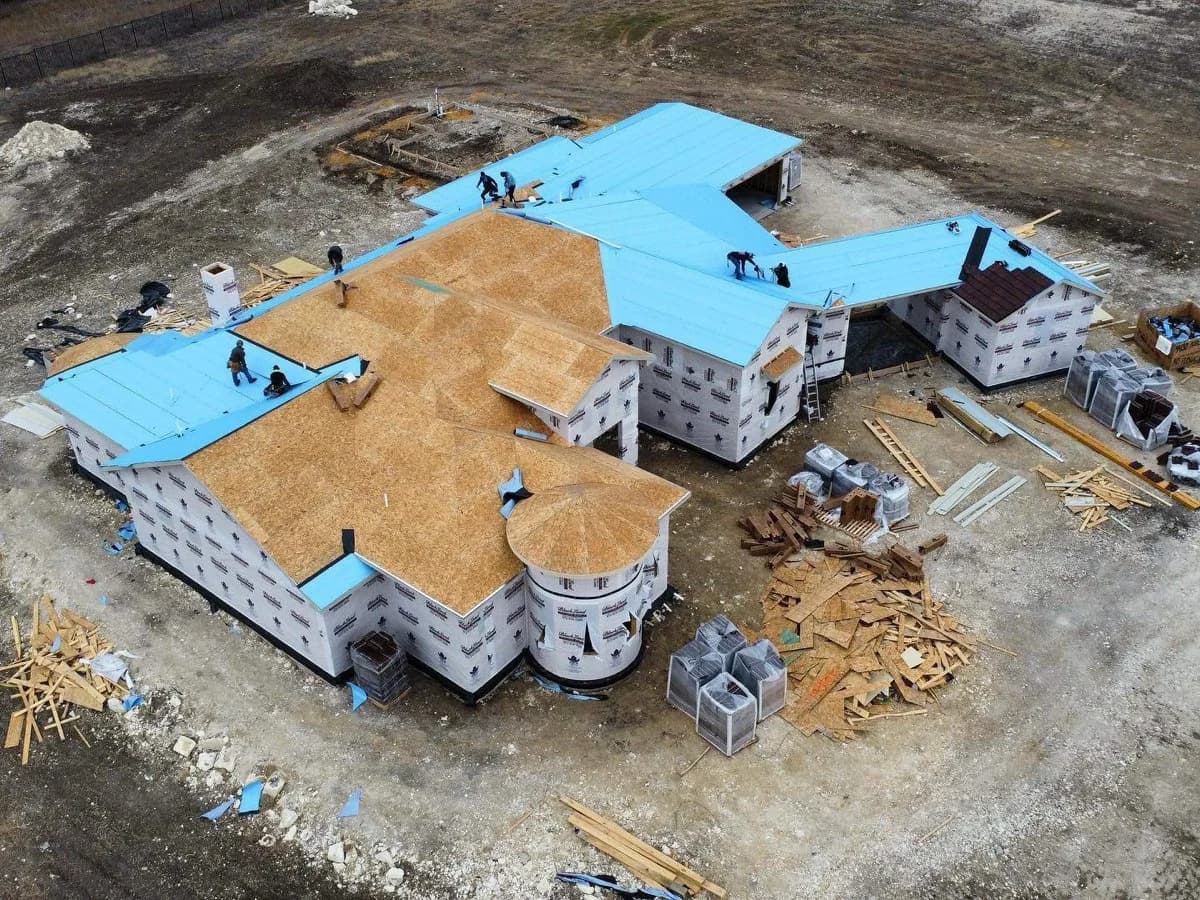
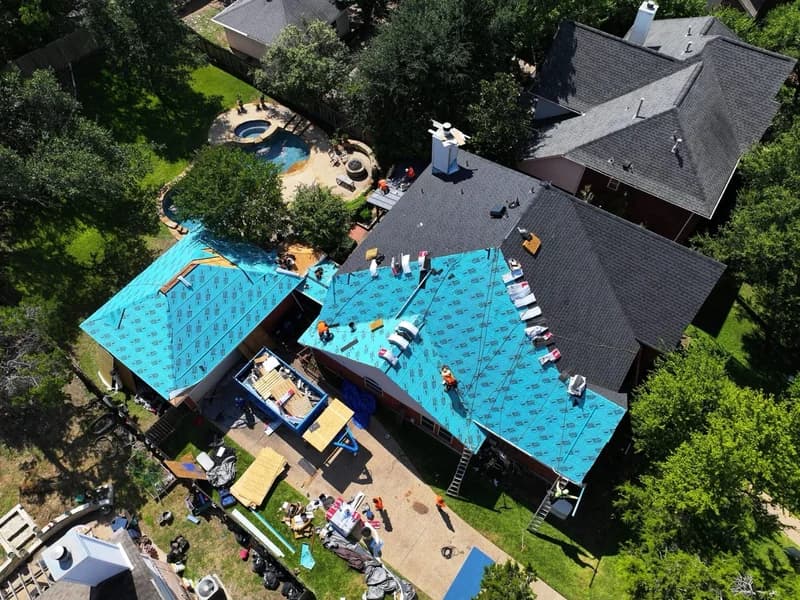
Full tear-off removes all existing roofing materials down to the deck, allowing complete inspection and any necessary repairs before installing new materials.
Pros:
- Reveals and allows repair of deck damage
- Provides clean foundation for new materials
- Maximizes new shingle lifespan
- Full manufacturer warranty eligibility
- Opportunity to upgrade underlayment and ventilation
Cons:
- Higher cost
- Longer installation time
- More disruption during installation
Our recommendation: For Texas and Gulf Coast homes, we almost always recommend full tear-off. The ability to inspect and seal the deck properly is essential in hurricane and storm-prone regions. Overlay roofs perform significantly worse in high winds because the new layer is not securely attached to the deck.
Getting an Accurate Assessment
The repair-vs-replace decision should never be made based on a phone estimate or quick visual inspection. A thorough evaluation includes:
- Physical inspection of the entire roof surface, not just problem areas
- Attic inspection to check for leaks, ventilation, and deck condition from below
- Assessment of flashing, valleys, and penetration points
- Documentation with photos for your records and potential insurance claims
- Written estimate with specific materials, timeline, and warranty information
Avoid contractors who pressure you toward replacement without thorough documentation, or who dismiss replacement concerns on an obviously aging roof.
From our team: The most common mistake we see is homeowners paying for repeated repairs on roofs that should have been replaced years earlier. If you are approaching your third significant repair, the economics almost always favor replacement. On the other hand, we regularly tell homeowners with newer roofs that a $500 repair is all they need--even when they came to us expecting a full replacement quote. The right answer depends on honest assessment, not a sales quota.
-- Hunter Lapeyre, Owner
Ready to explore your options?
Read our comprehensive Roof Replacement Guide → for everything you need to know about replacing your roof, from costs and materials to the full process timeline.
Common questions
Frequently asked
The decision depends primarily on roof age, extent of damage, and cost comparison. If your roof is under 15 years old with localized damage affecting less than 25% of the surface, repair usually makes sense. If your roof is over 20 years old, has systemic damage, or repair costs exceed 30% of replacement cost, replacement is typically the better investment.