Compare New Orleans clay-tile roof repair bids by tile matching, salvage, underlayment access, flashing, historic review, and documented scope boundaries.
Distinguish damaged tile from the components beneath it
A cracked tile on a New Orleans roof is a visible finding, but a leak investigation should also consider the related roof details. Before accepting a repair bid, ask which condition the contractor believes is causing the problem and what evidence supports that conclusion. A count of replacement tiles does not necessarily describe the complete repair.
The National Park Service’s clay-tile preservation brief discusses historic tile repair and the importance of the roofing assembly. Use that guidance to ask informed questions of a qualified contractor. It does not establish the condition of concealed layers on your particular roof.
Request a tile and detail inventory
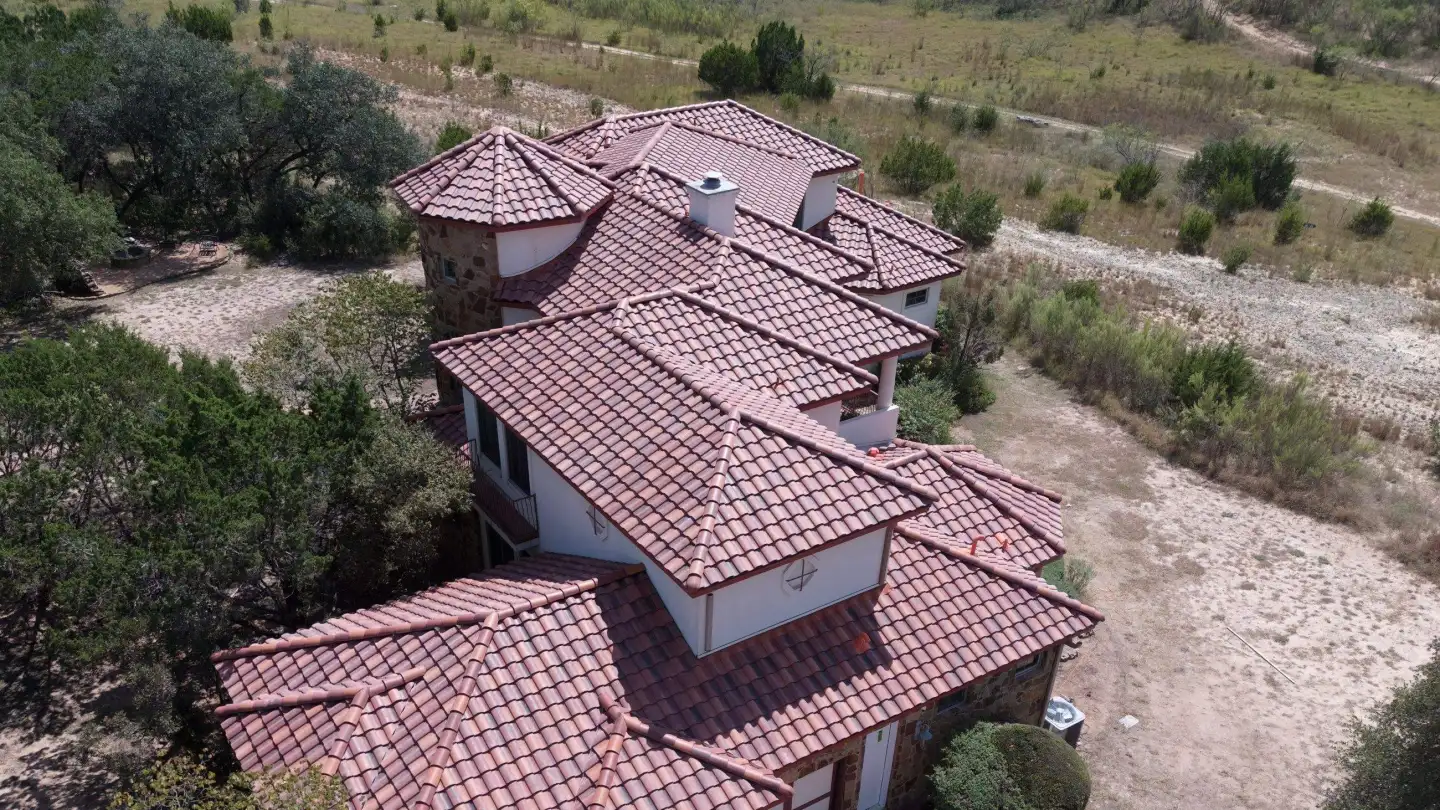
Ask the contractor to identify the tile profile and dimensions, damaged locations, special pieces, and visible flashing concerns. Have it distinguish field tile from ridge, hip, and other accessory pieces. If a product match has not been found, the proposal should say so instead of treating a generic tile allowance as a confirmed supply.
Request the inspection method and inaccessible areas. Photographs from one side of the building cannot establish every condition on the other side. For a roof with multiple sections, use a sketch or labeled photos so quantities and repair boundaries can be understood by both you and the crew.
Define removal, reuse, and breakage handling
If work below the tile requires temporary removal, ask how pieces will be labeled, stored, protected, and reinstalled. Specify which pieces are intended for reuse and which will be replaced. The bid should explain what happens if concealed work expands or if additional unsuitable pieces are found during removal.
Ask how replacement availability affects scheduling. A repair that depends on matching specialty pieces should not begin with an unexplained promise to source them later. Request an agreed process for approving substitutions, including any historic review. Keep spare matching pieces if the scope includes them and record where they are stored for future maintenance.
Compare the access to underlayment and flashing
Two tile repair bids can look similar while purchasing different work. One may replace visible broken pieces only; another may remove a defined area to address the layer beneath or rebuild an intersection. Ask the contractor to explain why its proposed access is sufficient and what it cannot determine without opening the area.
For a hypothetical leak near a valley, request a scope that separates tile handling, valley work, adjacent underlayment, and the limits of restoration. Avoid assuming all tiles must be discarded or all can be reused. The inspection and the actual condition of removed material should inform that decision.
Check visible material changes before ordering
The City’s HDLC design guidelines include tile and related roof features. Ask the responsible review body about your property and proposed visible changes before ordering a different profile, finish, or ridge detail. A manufacturer’s description of a product as traditional is not a property-specific approval.
Give staff photographs and the proposed repair scope, including whether material is being replaced in kind. Keep city approval separate from the roofer’s determination of installation suitability. If an unexpected substitution becomes necessary, resolve it through the appropriate process rather than making the decision only after the material reaches the site.
Choose the proposal with understandable boundaries
Request a final comparison showing access, tile quantities and sourcing, retained material, underlayment or flashing work, cleanup, and warranty limits. Ask for photos of concealed repairs before tile is reinstalled. A finished photograph is valuable, but it cannot show the details that have already been covered.
Request a New Orleans tile-roof assessment and identify any historic-review requirements when booking. Bring earlier repair records and safe photographs of interior leak locations. Read our clay tile cost guide for broader replacement questions, while keeping this decision focused on the actual repair evidence and available matching material.
Published by
Lapeyre Roofing Editorial Team
Homeowner guides
Our editorial team publishes homeowner guides with sources linked in the article. For a recommendation about your roof, request an inspection of the property.
Found this helpful? Choose Lapeyre Roofing as a source you want to see on Google.
Add Lapeyre Roofing as a preferred source on Google (opens a Google window)