Clay tile roofing costs $16-$50+ per sq ft installed. Compare Spanish tile, terracotta, and Ludowici prices, 75-100+ year lifespans, and real repair costs.
A clay tile roof costs $16 to $50+ per square foot installed, putting the total for a 2,000 sq ft roof between $32,000 and $100,000+. That is a wide range, and where you land depends almost entirely on the tile itself: machine-made Spanish tile sits at the low end, handmade and architectural terra cotta at the top. What you get in exchange is one of the longest-lived roofing materials on earth -- clay tile roofs routinely last 75 to 100+ years, and the terracotta roofs on some European buildings have been in service for centuries.
This guide breaks down clay tile roofing costs by tile type, the factors that move your price, how clay compares to concrete and synthetic alternatives, and what homeowners in New Orleans, Austin, and St. Louis specifically need to know. For a broader look at your options, see our roofing materials guide.
How Much Does a Clay Tile Roof Cost?
Clay tile pricing splits into distinct tiers. Machine-made tile -- the standard Spanish and mission profiles you see across the Sun Belt -- is the most affordable true clay option. Handmade and sand-cast tiles cost more because of the labor in each piece. At the top sits architectural terra cotta from manufacturers like Ludowici, where custom profiles, glazes, and a 75-year warranty push prices to $50 per square foot and beyond.
| Tile Type | Cost per Sq Ft (Installed) | 2,000 Sq Ft Roof | Expected Lifespan |
|---|---|---|---|
| Machine-Made Clay (Spanish/Mission) | $16-$25 | $32,000-$50,000 | 75-100 years |
| Handmade/Premium Clay | $25-$40 | $50,000-$80,000 | 100+ years |
| Ludowici/Architectural Terra Cotta | $25-$50+ | $50,000-$100,000+ | 100+ years (75-yr warranty) |
| Salvaged/Reclaimed Clay Tile | $15-$35 | $30,000-$70,000 | 50-100+ years (remaining) |
| Concrete Tile (Clay Lookalike) | $8-$18 | $16,000-$36,000 | 40-60 years |
A note on salvaged tile: reclaimed clay tile can be an excellent value for historic restorations, and it is often the only way to match a discontinued profile. But availability is unpredictable. A specific pattern in a specific quantity may take months to source, and pricing swings with the salvage market. Treat the $15-$35 range as a starting point, not a quote.
These figures reflect complete installed pricing -- tile, underlayment, flashing, fasteners, and labor. Material alone typically runs $4 to $15+ per square foot depending on the tile, but skilled tile labor roughly doubles the project cost. Every roof is different, so use these numbers to budget, then get a written estimate on your actual roof.
Are Terracotta and Clay Tile the Same Thing?
Yes -- terracotta (Italian for "baked earth") is simply fired clay, so terracotta roof tiles and clay roof tiles are the same material. In practice, "terracotta" often refers to the classic unglazed orange-red tile, while "architectural terra cotta" describes the premium, precision-fired end of the market. The signature terracotta color comes from iron in the clay oxidizing during firing, which is why it never fades: the color is the material, not a coating. Glazed clay tiles extend the palette to greens, blues, whites, and blacks at a modest price premium.
Clay Tile Roof Cost Factors
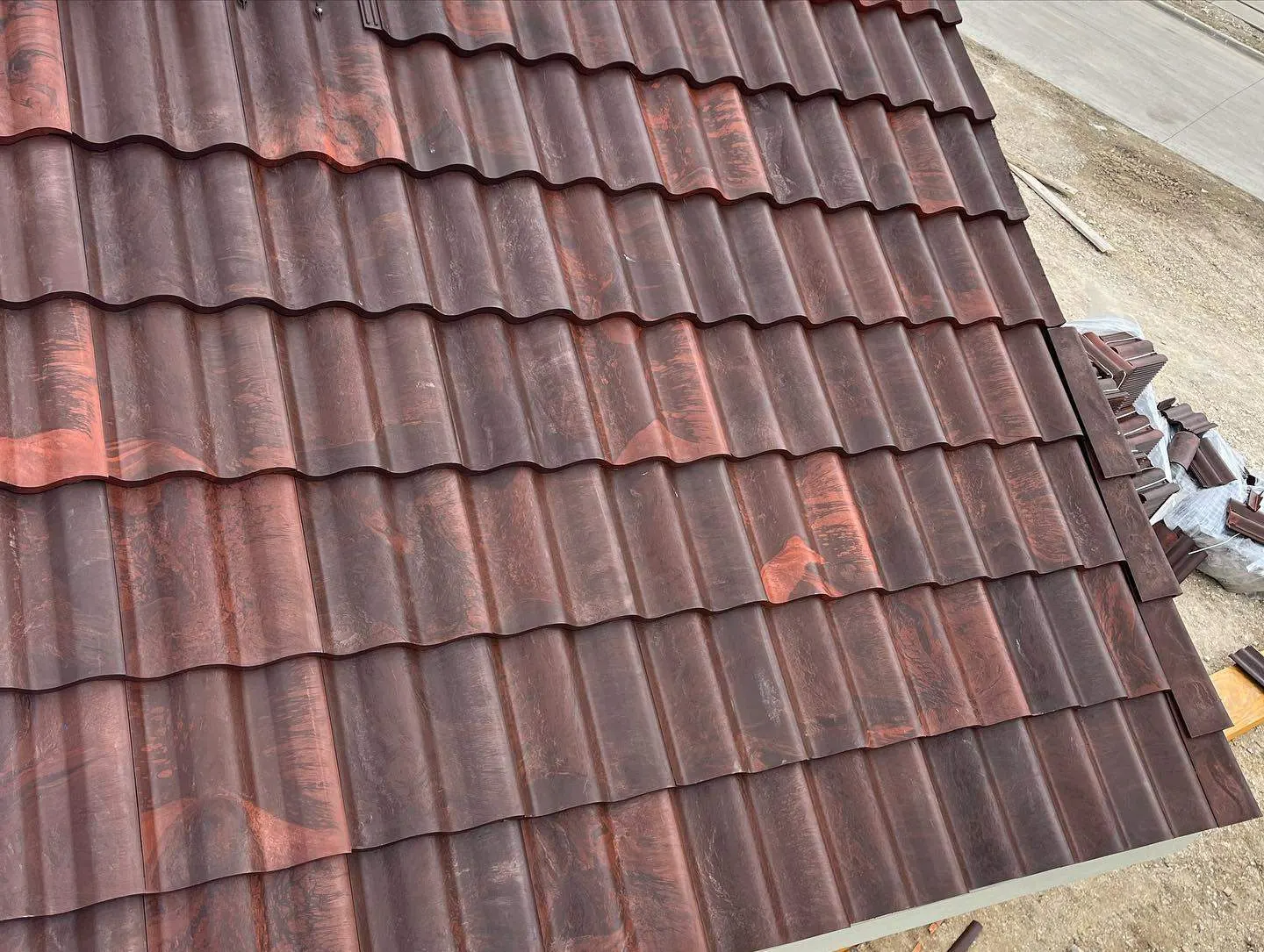
Two homes with the same square footage can get quotes $30,000 apart. Here is what drives the difference.
Weight and Structural Reinforcement
Clay tile weighs 600 to 1,100 pounds per roofing square (100 sq ft), versus 200-300 pounds for asphalt shingles. Homes originally built for tile -- common in older New Orleans and Spanish-revival architecture -- usually carry the load fine. Homes framed for asphalt often need reinforcement: sistered rafters, added purlins, or upgraded decking. A structural assessment runs $500-$1,000, and reinforcement, when required, adds $5,000-$15,000. Skipping this step is how tile roofs end up with sagging ridgelines a decade later.
Roof Complexity
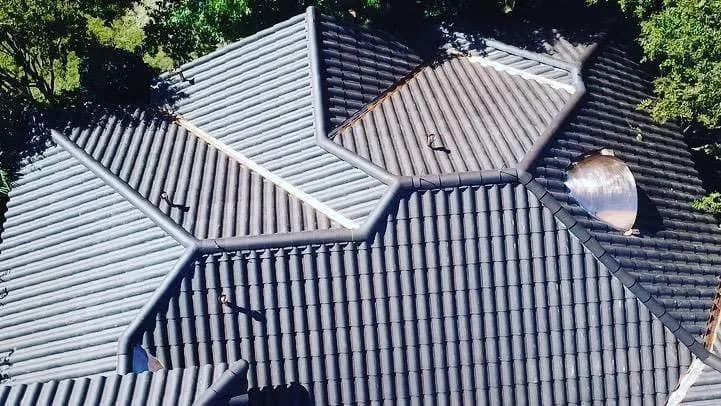
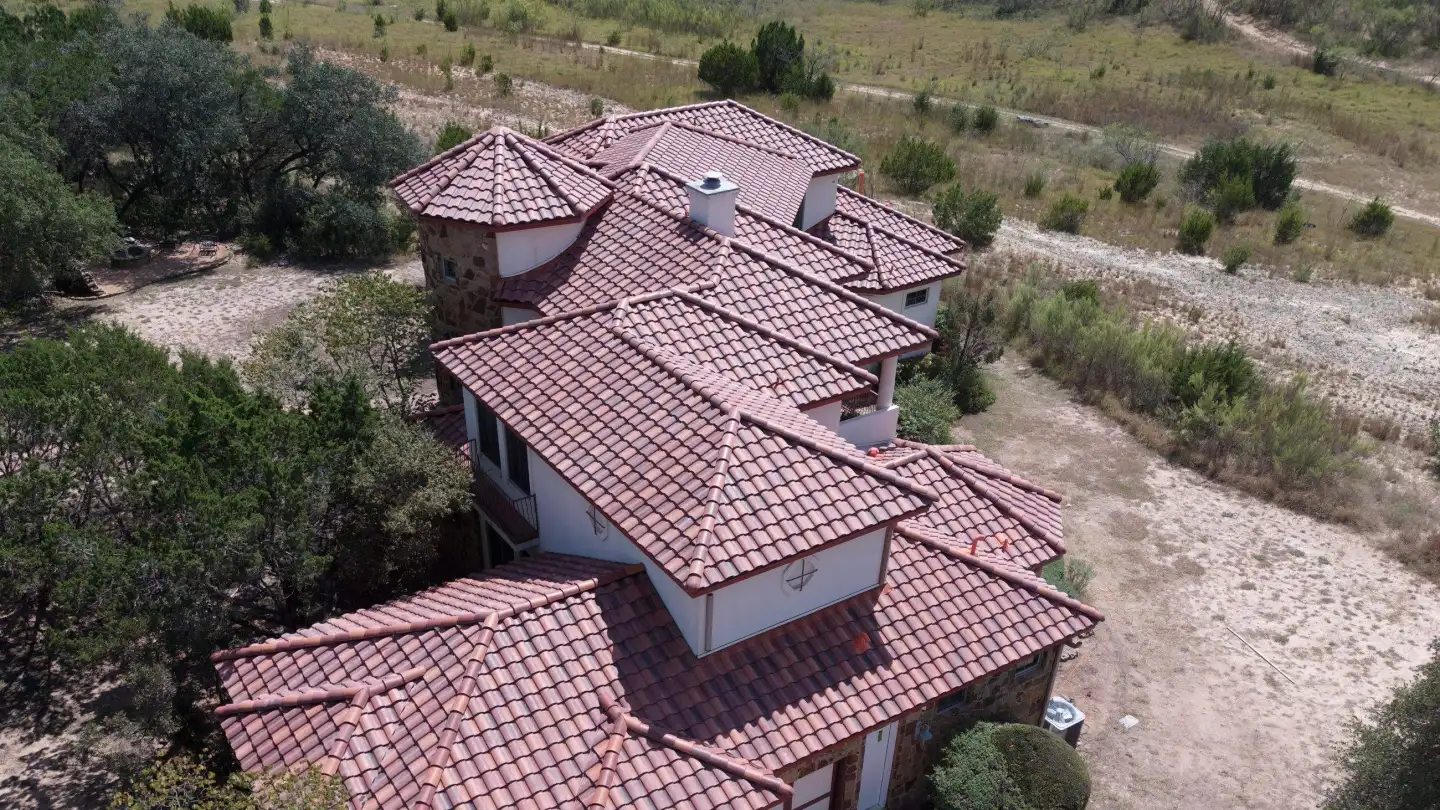
Hips, valleys, dormers, turrets, and curved eaves all require cut tiles and custom flashing details. A simple gable roof installs efficiently; a complex roofline can add 20-30% to the total. Steep pitches add staging and safety costs on top of that.
Underlayment Quality
On a roof designed to last a century, the underlayment is the component most likely to fail first. Budget bids often hide a cheap single-layer felt under premium tile -- which means tearing off and relaying perfectly good tile in 20-25 years to replace the membrane beneath it. Quality installations use two-ply modified bitumen or premium synthetic underlayment engineered for 40+ years of service. It adds cost up front and is worth every dollar.
Flashing Metal
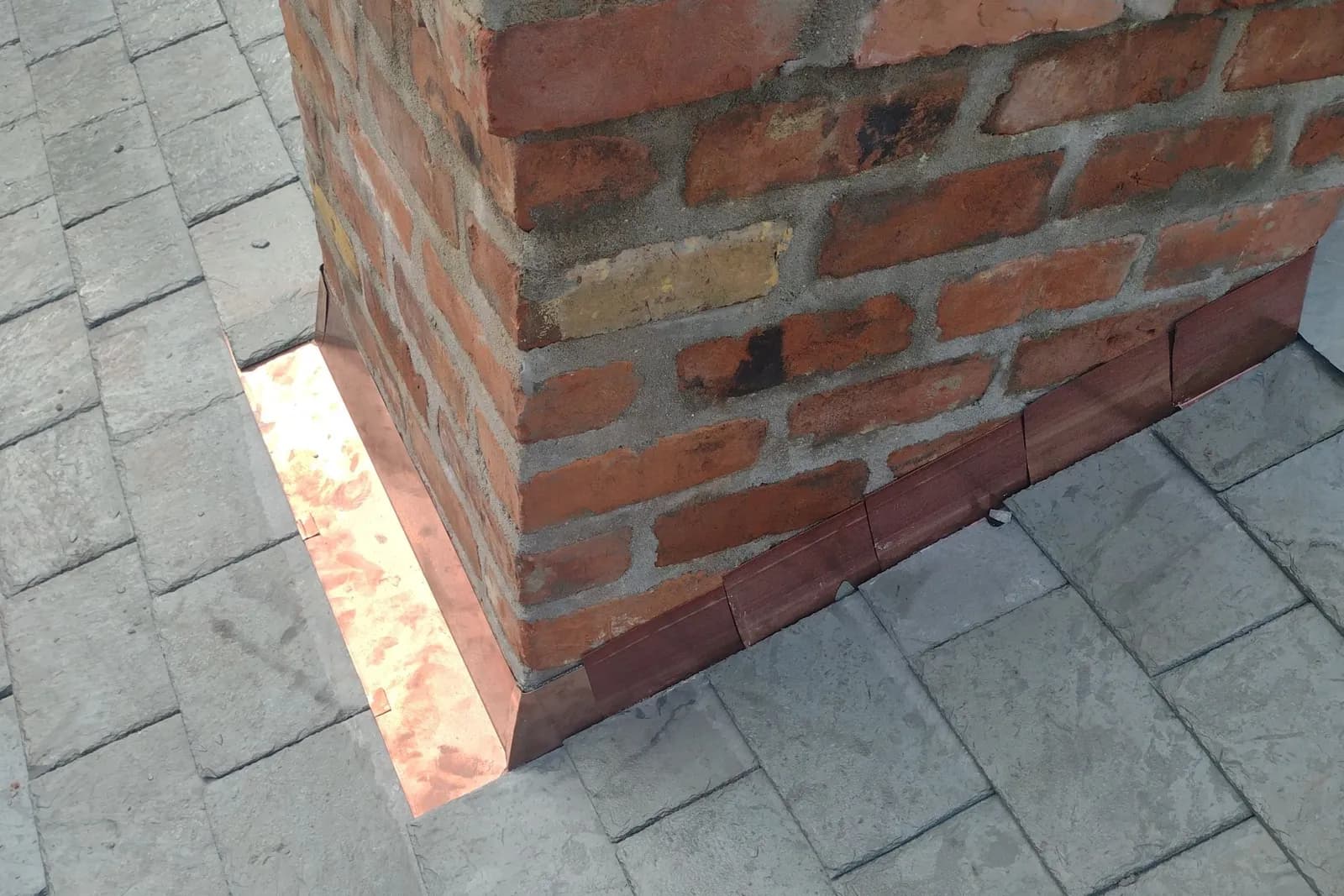
The same logic applies to flashing. Painted galvanized steel is cheapest and lasts 20-30 years. Copper and stainless steel cost more but last 70-100 years -- matched to the life of the tile. On a clay tile roof, copper flashing is not a luxury upgrade; it is the component that keeps you from re-doing valleys and penetrations three times over the roof's life.
Tear-Off, Disposal, and Access
If an existing roof comes off first, add $1-$3 per square foot for tear-off and disposal -- more if there are multiple old layers or the existing roof is also tile, which is heavy and slow to remove. Site access matters too: tile arrives by the pallet and weighs tons, so tight urban lots, rear slopes with no driveway access, and three-story historic homes all add staging and crane or lift costs that never show up in national averages.
Regional Labor Scarcity
Clay tile installation is a specialty trade. Crews that genuinely know tile -- proper headlap, staggered joints, correct fastening, walking a tile roof without cracking it -- are scarce in most American markets. In cities where tile is uncommon, expect to pay a premium for experienced installers, and be wary of general roofing crews quoting tile at asphalt-crew prices. The tile is only as good as the hands that lay it.
Clay vs. Concrete vs. Synthetic Tile
Concrete tile mimics the look of clay at roughly half the price, and modern composite (synthetic) tiles mimic both at a fraction of the weight. The differences show up over decades.
| Feature | Clay Tile | Concrete Tile | Synthetic/Composite Tile |
|---|---|---|---|
| Cost per Sq Ft | $16-$50+ | $8-$18 | $10-$20 |
| Lifespan | 75-100+ years | 40-60 years | 30-50 years |
| Weight (per 100 sq ft) | 600-1,100 lbs | 820-1,100 lbs | 150-400 lbs |
| Color Permanence | Fired-in, never fades | Surface pigment, fades over time | Varies by brand |
| Water Absorption | Low (dense fired clay) | Higher (porous, gains weight wet) | Minimal |
| Fire Rating | Class A (non-combustible) | Class A (non-combustible) | Class A (most products) |
| Historic District Approval | Yes -- the authentic material | Sometimes, case by case | Rarely on landmark properties |
The color point deserves emphasis. Clay tile's color comes from the clay body itself and the firing process -- a terracotta tile is the same color all the way through and will look essentially the same in 80 years. Concrete tile's color is a surface treatment that weathers and fades, which is why 25-year-old concrete tile roofs often look chalky while clay roofs of the same age still glow. If you are weighing the two seriously, our concrete tile roofing guide covers the concrete side in depth, and our concrete tile service page explains where it makes sense.
Lifespan and Cost Per Year
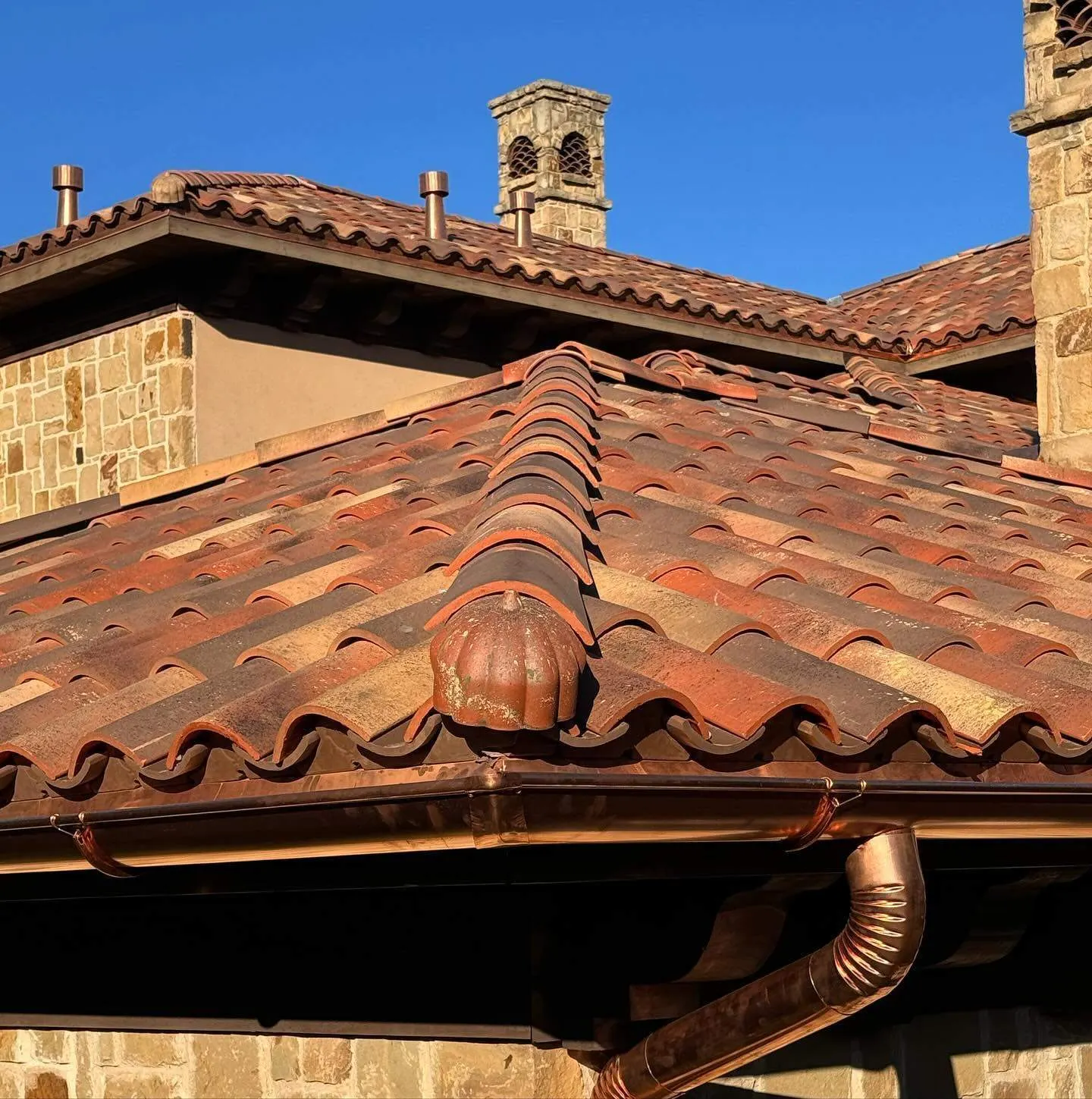
Clay tile is expensive per square foot and cheap per year. When you divide installed cost by expected service life, tile competes directly with materials half its price:
- Asphalt shingles: $12,000 / 25 years = $480 per year
- Concrete tile: $26,000 / 50 years = $520 per year
- Machine-made clay tile: $42,000 / 85 years = $494 per year
- Premium clay/terra cotta: $70,000 / 100 years = $700 per year
And the clay numbers are conservative -- 100 years is a warranty-grade figure, not an upper bound. The honest caveat is horizon: cost-per-year math only pays off if you (or the buyers who inherit the roof) hold the home long enough. On a house you plan to sell in five years, clay tile is a curb-appeal investment, not a financial one. On a family home or a historic property, it is often the cheapest roof you can buy. Financing options can spread the upfront cost over time.
Maintenance Over the Life of the Roof
Clay tile is low-maintenance, not no-maintenance. Budget for an inspection every few years ($300-$600), occasional replacement of tiles cracked by falling limbs or foot traffic, and -- on Gulf South roofs -- periodic cleaning if algae or moss takes hold on shaded slopes. The one scheduled expense to plan for is underlayment renewal: even premium membranes will need replacement once or twice during the tile's life, via the lift-and-relay process covered in the repair section below.
Clay Tile in New Orleans, Austin, and St. Louis
New Orleans: Hurricanes and Historic Districts
Clay tile has deep roots in New Orleans architecture -- French Quarter Creole townhouses, Uptown mansions, and Mediterranean-revival homes across the city. Two local factors dominate the cost conversation. First, wind: standard tile installation relies partly on weight, but hurricane-zone work should use enhanced mechanical fastening -- screws rather than nails alone, foam or mechanical storm clips at eaves, ridges, and rakes -- to meet high-wind design pressures. That upgrade adds modest cost and is not optional here; pairing it with FORTIFIED roofing methods like a sealed deck adds another layer of protection. Second, regulation: in the French Quarter and the city's HDLC-governed historic districts, replacement roofing on landmark properties frequently must match the original material. If your historic home has clay tile, the approvable path is usually clay tile -- which makes salvaged and profile-matched tile sourcing a core part of the job, not an afterthought.
Austin: Heat and Hail
Tile suits Austin's climate well. Fired clay shrugs off 100-degree summers, and the air gap under barrel profiles measurably reduces attic heat gain compared to asphalt. The risk is hail. Quality clay tile resists moderate hail better than aging asphalt, but severe Central Texas hailstorms can crack tiles. Two practical notes: choose tile tested to FM 4473 Class 3 or 4 impact resistance where available, and document your roof's condition with photos before storm season -- it makes insurance claims far smoother when adjusters need to distinguish new impact damage from old foot traffic cracks.
St. Louis: Historic Tile and Hail Claims
St. Louis has one of the richest inventories of historic clay tile roofs in the Midwest -- much of it century-old tile on churches, institutional buildings, and homes in neighborhoods like Compton Heights and the Central West End. The most common scenario we hear about from St. Louis homeowners is hail damage on an old tile roof and an insurer proposing to replace it with asphalt. Understand your policy: if you have replacement-cost coverage, you are generally entitled to like-kind material, and a documented tile-for-tile claim is often winnable. The catch is finding a contractor who can actually source matching tile and perform the repair rather than defaulting to full replacement with a cheaper material.
From our team: Tile and slate are the trades where installer selection matters most. Our specialty crews are led by a master craftsman whose portfolio spans hundreds of slate and Ludowici clay tile roofs, including work on university campuses like SMU and Tulane. Here in New Orleans, we restored the historic Sylvain building in the French Quarter -- one of the oldest buildings in the city -- and that kind of work teaches you what a hundred-year roof actually requires: the underlayment, the metal, and the fastening matter as much as the tile you can see.
-- Hunter Lapeyre, Owner
Clay Tile Roof Repair Cost
Like slate, clay tile fails one piece at a time, and individual tiles can be swapped without disturbing the field around them. Most "failing" tile roofs need targeted repair, not replacement.
- Individual tile replacement: $250-$500 per area (a handful of tiles, including labor)
- Flashing repair or replacement: $500-$1,500 per area
- Ridge or hip re-bedding: $1,000-$3,000
- Valley rebuild: $1,500-$4,000
- Lift and relay over new underlayment: $8-$15 per sq ft (reusing your existing tile)
That last line item is unique to tile and worth knowing about. When the underlayment on an older tile roof wears out but the tile itself is sound, a crew can carefully remove the tile, install new underlayment and flashing, and relay the original tile -- preserving a historic roof at a fraction of new-tile cost. It is labor-intensive and demands careful handling, but it is often the right call on pre-war tile that no factory makes anymore.
The wild card in any tile repair is matching. Common current-production profiles are easy; discontinued profiles mean hunting salvage yards, which adds sourcing time and cost. If your roof needs work, our tile roof repair service covers everything from single-tile swaps to full lift-and-relay projects.
Considering premium tile?
If you are looking at the top of the clay tile market, read our Ludowici clay tile service page, or compare with our slate roofing cost guide -- the two materials compete for the same century-scale projects.
Common questions
Frequently asked
Clay tile roofing costs $16-$50+ per square foot installed. Machine-made Spanish or mission tile runs $16-$25, handmade and premium clay runs $25-$40, and architectural terra cotta such as Ludowici runs $25-$50+. Salvaged tile ranges $15-$35 depending on availability. For a 2,000 sq ft roof, expect $32,000 to $100,000+ depending on tile type and roof complexity.

Founder of Lapeyre Roofing, continuing a family legacy in Louisiana since 1699. Licensed in Louisiana, GAF Certified, and FORTIFIED Roofing specialist serving Texas and Louisiana.
Found this helpful? Choose Lapeyre Roofing as a source you want to see on Google.
Add Lapeyre Roofing as a preferred source on Google (opens a Google window)