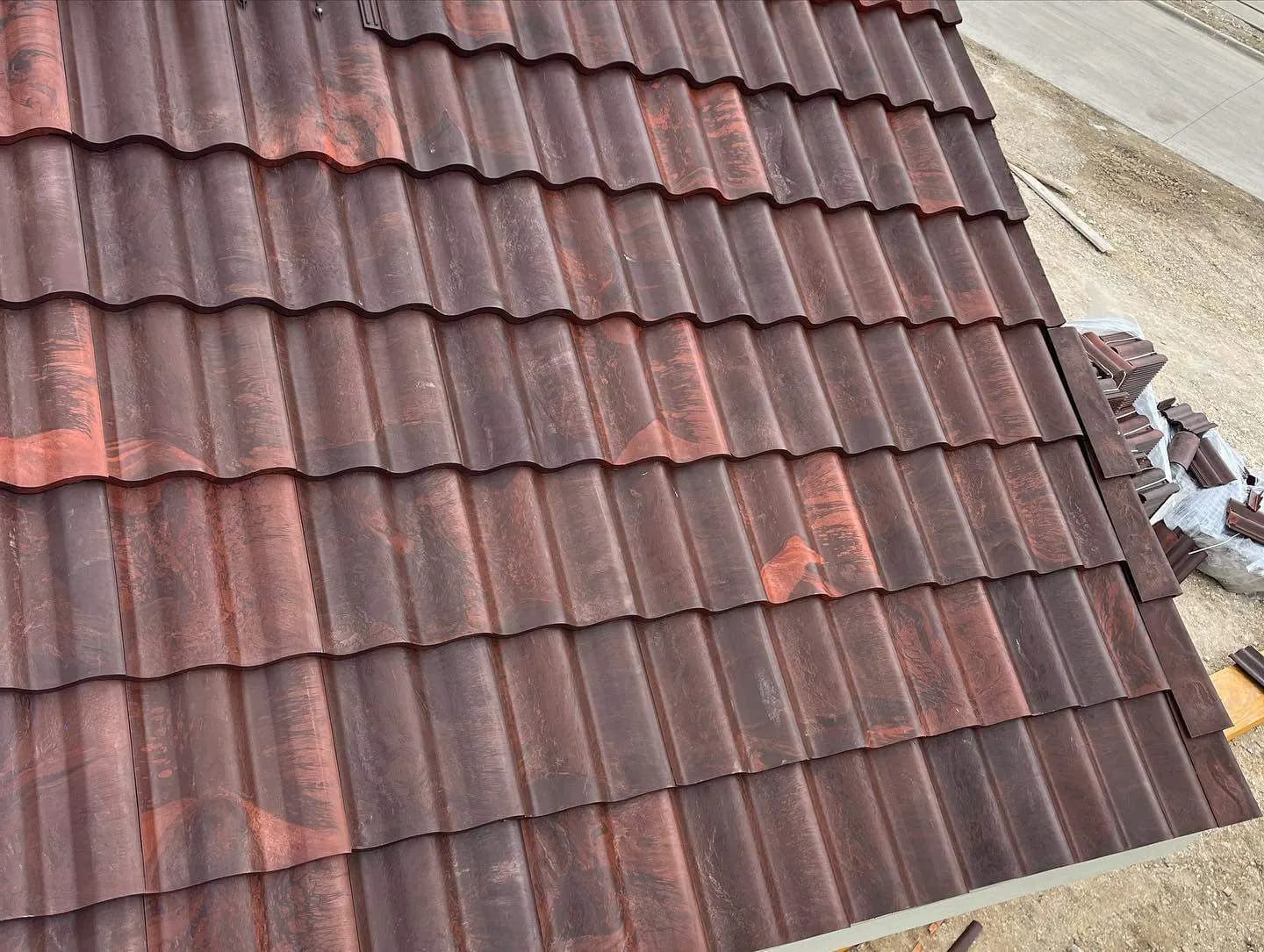
Clay Tile Roof Repair and Installation in Austin
Fix the Tiles That Are Broken. Keep the Ones That Are Not.
A clay tile roof with a few cracked tiles does not need a new roof—it needs a crew that can walk tile without breaking more of it, match the profile, and fix what is actually leaking (which is usually the underlayment or flashing, not the tile). Lapeyre Roofing repairs, restores, and installs clay tile across Austin, from Mediterranean builds in Barton Creek and Westlake to Spanish-style homes across the metro.
Prefer to book online? Schedule your free Austin estimate
Schedule Your FREE
Roof Inspection & Estimate
Request a written estimate
Where is your property?
We serve Texas, Louisiana & Missouri
What do you need?
Almost done!
How can we reach you?
By submitting, you consent to follow-up messages. Reply STOP to opt out.
Sources we use
Check the scope against current guidance
Official sources reviewed September 7, 2026, plus a planning tool for comparing the decisions in your estimate.
City of Austin
Austin work exempt from building permits
Reviewed September 7, 2026. Check roof-cover exemptions, structural effects, and the Wildland-Urban Interface exception for the actual address.
Read the official guidance →Tile Roofing Industry Alliance
Concrete and clay tile installation guidance
Reviewed September 7, 2026. System installation manuals and manufacturer-specific requirements for concrete and clay tile.
Read the official guidance →How much does tile roof repair cost in Austin, TX?
Most clay tile roof repairs in Austin cost $500 to $2,000 in 2026. Replacing individual cracked or slipped tiles typically runs $500 to $1,200 depending on access and how hard the profile is to match. Repairs that involve the underlayment beneath the tile—the layer that actually keeps water out—run $1,000 to $3,000+ for localized sections. Full clay tile installation runs $16 to $50+ per square foot depending on the tile. The most important thing to know: on a tile roof, the tile is armor and the underlayment is the waterproofing. Most "tile roof leaks" are underlayment or flashing failures, and they are fixable without replacing the roof.
- Individual tile replacement: $500-$1,200 typical (2026)
- Localized underlayment repair beneath tile: $1,000-$3,000+
- Full clay tile installation: $16-$50+ per sq ft installed
- Clay tile lasts 75-100+ years; underlayment lasts 20-40 years and fails first
- Cracked tiles from hail are usually insurance-claimable; age crazing is not
What Actually Goes Wrong With Clay Tile Roofs in Austin
Central Texas Failure Patterns on Clay Tile
Clay tile is one of the best materials for Austin's climate—kiln-fired clay is indifferent to UV and heat that destroys asphalt. But tile roofs here fail in specific, predictable ways, and almost none of them mean the tile itself is done.
Hail: Cracked vs Shattered Tile
Impact: Central Texas hail cracks and shatters clay tiles—and the distinction matters for insurance. Shattered and clean-fractured tiles from a documented storm are typically claimable damage. Hairline crazing, foot-traffic cracks, and old age-related splits are not, and adjusters know the difference.
Our Solution: We inspect after hail the way adjusters do: slope by slope, distinguishing impact fractures (fresh, radial, on exposed faces) from wear. We document honestly—which makes the legitimate claims hold up and keeps you out of trouble on the rest.
Underlayment Aging Out Under Good Tile
Impact: The felt or membrane beneath your tile does the actual waterproofing, and Austin attic heat cooks it in 20-40 years while the clay above sails on. The classic Austin tile leak is a 25-year-old Mediterranean build with perfect tile and disintegrated underlayment.
Our Solution: The fix is a lift-and-relay: remove the tile carefully, install modern high-temperature underlayment and new flashings, and re-lay your existing tile. It costs a fraction of a new tile roof and resets the clock for decades.
Extreme UV and Thermal Cycling
Impact: Austin roofs swing 60-80 degrees daily. Kiln-fired clay barely notices, but mortar bedding at ridges and hips cracks loose over years of cycling, and sealed (rather than soldered or lapped) flashing details fail early.
Our Solution: We re-bed or mechanically re-fasten loose ridge and hip tiles and rebuild flashing details to shed water by geometry, not caulk. Sealant-dependent repairs on tile are 2-3 year band-aids in this climate.
Foot Traffic Damage
Impact: A surprising share of the broken tile we repair in Austin was cracked by people—AC techs, painters, satellite installers, and even roofers walking tile wrong. Clay is hard against weather and brittle under a misplaced boot.
Our Solution: Our crews walk tile on the headlaps and bearing points, use foam and staging where needed, and replace what others cracked. If trades need roof access, have a tile-competent roofer do the walking or protect the path first.
Wind-Driven Rain at Penetrations
Impact: Spring storms drive rain sideways into chimney saddles, skylight perimeters, and wall transitions. On tile these details are more complex than on shingles, and production-era shortcuts show up as interior stains years later.
Our Solution: We rebuild tile penetration flashings with proper pans, risers, and counterflashing sized for the tile profile—details that shed driving rain without relying on sealant.
Clay Tile Across Austin Neighborhoods
Clay tile in Austin concentrates in specific pockets, and where your home sits tells us a lot about the tile on it:
Barton Creek
Golf-course estates with Mediterranean and Tuscan architecture from the 1990s to today—one of Austin's densest concentrations of true clay tile, much of it barrel and Spanish profile.
Many Barton Creek tile roofs from the 1990s boom are entering the underlayment-failure window with excellent tile on top: prime lift-and-relay candidates. Architectural standards make profile and color matching essential on repairs.
Rob Roy and Westlake
Gated hill-country communities with custom Mediterranean builds, complex rooflines, and high-value finishes beneath the roof—where a slow underlayment leak gets expensive fast.
Complex hips, turrets, and mixed materials mean more flashing footage per square than production homes—and flashings are where these roofs leak. We often find original builder flashing details that were never right for the tile profile.
Spanish Oaks and Southwest Austin
Newer luxury communities with Santa Barbara and Spanish Colonial styling, blending clay tile with concrete tile lookalikes—owners are not always sure which they have.
Clay and concrete tile need different repair stock and different handling. We identify what is actually on your roof (weight, fracture pattern, and underside tell the story) before ordering materials—mismatched patches stand out badly on these streets.
Tarrytown and Central Austin
Older Spanish Revival and Mediterranean homes from the 1920s-1950s scattered among the bungalows, some with original clay tile approaching a century old.
Original tile here is often historically valuable and still serviceable—salvage and re-lay beats replacement. Matching discontinued early-century profiles takes salvage-yard sourcing, which we handle. Oak canopy debris accelerates valley and flashing wear.
Lake Travis Corridor (Steiner Ranch to Lakeway)
Hill-country custom homes with tile roofs on exposed ridges—full sun, full hail exposure, big wind. A mix of clay on custom builds and concrete tile on semi-custom.
Exposure makes hail inspection the recurring need here. Wind uplift at rakes and ridges loosens tiles that were nailed light during construction; we re-fasten to current wind standards while repairing storm damage.
Clay Tile Roofing Costs in Austin (2026)
Tile pricing confuses people because repair and replacement live in completely different brackets. Here is the honest 2026 picture for Austin:
Individual Tile Replacement
$500 - $1,200
Replacing cracked, slipped, or shattered tiles with matched stock. Price depends on roof access, tile availability, and count. The most common tile job we do.
Localized Underlayment / Flashing Repair
$1,000 - $3,000+
Lifting tile in the affected area, replacing failed underlayment or flashing beneath it, and re-laying the original tile. Fixes the actual cause of most tile roof leaks.
Ridge and Hip Re-Bedding
$1,500 - $5,000
Re-securing loose ridge and hip tiles with fresh mortar or mechanical fastening after decades of thermal cycling. Prevents wind loss and water entry at the roof's spine.
Full Lift-and-Relay (Restoration)
$8 - $14 per sq ft
Complete underlayment and flashing replacement beneath your existing clay tile, re-laying the original tile. The right move when good tile sits on dead underlayment—common on 1990s builds.
New Clay Tile Installation
$16 - $50+ per sq ft installed
Imported machine-made clay tile at the lower end; premium domestic and custom-glazed tile at the upper end. Includes proper underlayment and flashing package. Structural check included.
Factors Affecting Price
- 1Tile profile and availability (matching a discontinued barrel profile can mean salvage sourcing)
- 2Roof pitch, height, and complexity (tile work is slow, careful work; steep Mediterranean rooflines add labor)
- 3How much tile must be lifted to reach the failure (underlayment repairs are mostly labor)
- 4Flashing scope (rebuilding chimney and wall details to tile-correct standards)
- 5Structural verification for new installations (clay runs 600-1,100 lbs per square)
- 6Insurance involvement (hail claims change scope and documentation requirements)
Ranges reflect 2026 Austin material and labor costs. Every tile roof gets a written, itemized estimate after inspection—and if your leak is a $900 flashing fix rather than a roof project, that is exactly what we will tell you.
How We Approach Clay Tile Work
Tile rewards patience and punishes hurry. Whether it is a five-tile repair or a full installation, here is the process:
Inspection Without Breakage
We walk tile correctly—on bearing points and headlaps, with foam or staging where the profile demands it—and document the roof slope by slope: cracked and slipped tiles, underlayment condition where visible, flashing details, and ridge/hip bedding.
Local Note: After Austin hail events, we distinguish fresh impact fractures from age crazing and foot-traffic cracks, because that distinction decides your insurance outcome.
Identify the Actual Waterproofing Failure
If the roof is leaking, we find whether water is entering through broken tile, dead underlayment, or failed flashing—three different repairs at three different prices. We do not quote a scope until we know which one you have.
Tile Matching and Sourcing
We match your existing tile by profile, size, color, and manufacturer where possible—using current production, boneyard stock, or salvage sources for discontinued profiles. On visible slopes, we can harvest matching tile from less-visible areas and patch the donor area with the closest available match.
Local Note: Mediterranean builds from Austin's 1990s boom often carry profiles no longer in production. Sourcing is half the job, and we are honest about lead times.
Repair Execution
Broken tiles come out without disturbing neighbors; replacements go in with the correct hangers, clips, or fasteners for the profile. Underlayment repairs lift the minimum tile necessary, replace the membrane and flashings beneath, and re-lay original tile in original coursing.
Lift-and-Relay (When the System Beneath Is Done)
For roofs with sound tile on failed underlayment: we remove and stage the tile, replace underlayment with high-temperature membrane, rebuild all flashings in copper or heavy-gauge metal, replace broken tiles from matched stock, and re-lay the field. Your roof keeps its tile and gets a new 30-40 year waterproofing system.
Local Note: This is the single most valuable service for Austin's 1990s-2000s tile housing stock—and the one storm-chasers never offer, because it takes actual tile skill.
New Installation (When You Want Clay From Scratch)
Structural verification first (clay runs 600-1,100 lbs per square), then profile and color selection with physical samples, high-temp underlayment, tile-correct flashing details, and installation to current wind-uplift fastening standards.
Documentation and Warranty
Photos before and after, an itemized record of what was done, insurance-ready documentation when a claim is involved, and a workmanship warranty on our repairs. Tile roofs are 75-100 year assets; the paper trail matters.
Clay Tile and System Materials for Austin
A tile roof is a system: tile armor over a waterproof membrane over correct flashings. Here is what we use at each layer and why it suits Central Texas:
Matched Replacement Clay Tile
Why for Austin
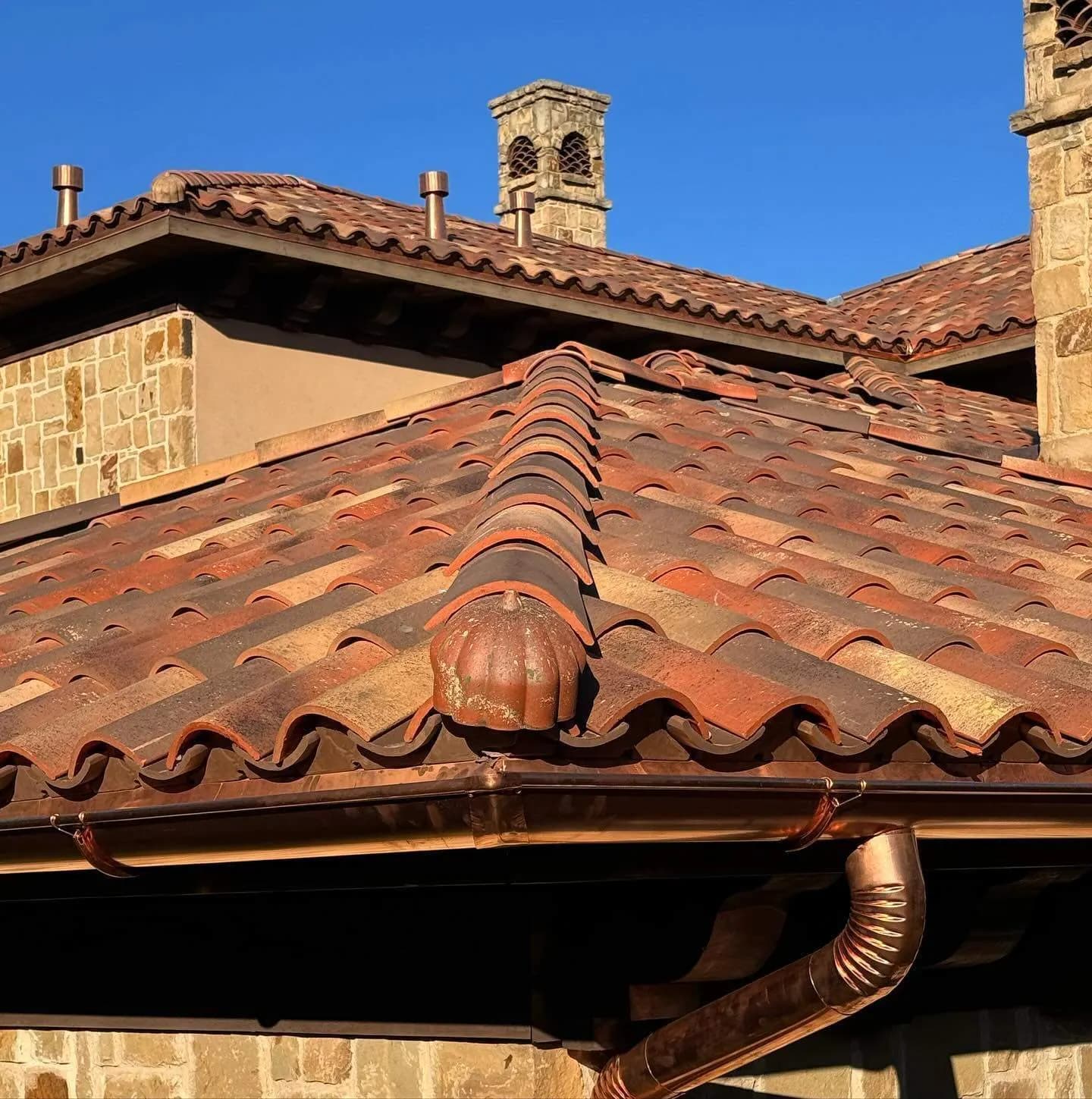
A repair that does not match reads as damage from the street. We source current-production matches, boneyard stock, and salvage tile for discontinued profiles common on Austin's 1990s Mediterranean builds.
Best For
All repairs on existing clay tile roofs
Considerations
Sun-fade means even a same-SKU new tile can read brighter than the field. Where it matters, we harvest from hidden slopes and patch the donor area with new stock.
High-Temperature Self-Adhering Underlayment
Why for Austin
Under tile, Austin attic and deck temperatures cook standard felt—which is why 25-year-old tile roofs leak under perfect tile. Modern high-temp membranes are rated for exactly this service and last decades longer.
Best For
Lift-and-relay restorations, underlayment repairs, all new tile installations
Considerations
This layer is the actual waterproofing on your roof. It is the wrong place to save money, and the difference in material cost is small next to the labor of lifting tile.
Copper and Heavy-Gauge Flashings
Why for Austin
Tile roofs last long enough that light flashing metal becomes the weak link twice over. Copper survives Austin's thermal cycling for the life of the tile; where budget dictates, heavy-gauge painted metal beats the builder-grade thin stock we usually find.
Best For
Valleys, chimney saddles, wall transitions, and penetrations on any tile roof
Considerations
Tile flashing geometry differs from shingle flashing—pans must handle the tile's water channel. Reused builder details are a leading leak source on Austin tile.
Mechanical Ridge and Hip Attachment
Why for Austin
Traditional mortar bedding cracks loose under Central Texas thermal cycling. Modern mechanical ridge systems fasten ridge and hip tiles positively while ventilating the ridge—better wind performance and no crumbling mortar.
Best For
Ridge and hip work on repairs, re-beds, and all new installations
Considerations
On historic and high-visibility roofs, we can re-bed in mortar for appearance with concealed mechanical backup.
Class 3-4 Impact-Rated Tile Options
Why for Austin
For new installations in Austin's hail corridors, several clay tile lines carry Class 3-4 impact ratings—meaningful protection in a metro that sees damaging hail most springs, and sometimes an insurance premium consideration.
Best For
New installations and full replacements in exposed hill-country and hail-corridor locations
Considerations
Impact rating reduces but does not eliminate hail breakage—the honest advantage of tile is that individual tiles are replaceable when hail does win.
Why Call Lapeyre for Tile Work in Austin
Plenty of companies will quote your tile roof. Very few have a crew that actually works tile week in and week out. Here is our case, stated honestly:
A Crew Built for Specialty Roofing
Our slate and tile crews are led by a master craftsman whose portfolio includes university landmarks like SMU and Tulane and hundreds of specialty slate and Ludowici roofs across the country. Tile is not a sideline for this crew—it is the specialty.
Proof From the Hardest Market There Is
Lapeyre restored the slate and copper roof of the Sylvain building in the French Quarter—one of the oldest buildings in New Orleans—plus additional French Quarter slate roofs. Historic steep-roof work under preservation scrutiny is the training ground behind our Austin tile practice.
We Fix the Layer That Is Actually Failing
Most tile leaks are underlayment or flashing failures under good tile. We diagnose which layer failed and quote that—not a reflexive full replacement of a roof whose tile has 50 years left.
Honest Hail Documentation
We tell you—and your adjuster—the difference between storm-fractured tile and age crazing. Legitimate claims documented properly get approved; inflated ones poison the well. We have no interest in the second kind.
Matching Taken Seriously
Profile, color, and coursing matching is the difference between an invisible repair and a roof that looks patched. We source current, boneyard, and salvage tile, and harvest from hidden slopes when a visible slope demands a perfect match.
Local and Staying
Austin office at 215 Brazos Street, (512) 877-3087. Tile roofs reward a long-term relationship with one contractor who knows the roof—we keep records and come back when you need five tiles, not just when you need fifty squares.
Find out whether an Austin tile repair needs new tile or work beneath it
A cracked tile, displaced tile, and a leak below intact tile need different investigations. Ask the inspection to identify the affected area and the likely failure: the covering, attachment, underlayment, or a flashing transition. A proposal that only replaces visible broken tiles should explain whether that work also addresses the leak. Obtain close-up and location photos from the contractor instead of walking on the tile yourself.
For a repair, verify the actual tile profile and fit before agreeing to a substitute. For a lift-and-relay, ask how much serviceable tile can be retained, how pieces will be stored, and how the contractor prices breakage and missing accessories. For a new installation, require the selected manufacturer's system details and the applicable tile-installation guidance. Weight, slope, fastening, underlayment, and transitions need to work together; a tile's appearance does not establish those design choices.
For City of Austin work, confirm whether the proposed covering or structural changes affect the permit path and whether the property's Wildland-Urban Interface status changes an otherwise exempt replacement. Do not assume an existing tile roof proves that every proposed tile system is suitable. The material selector helps clarify maintenance and budget priorities, while the written proposal should resolve the product, support, scope, and approval questions before removal.
Craftsmanship You Can Inspect
Tile rewards close inspection. These photos show the hips, ridges, copper work, and finish detail our crews hold themselves to on every roof.
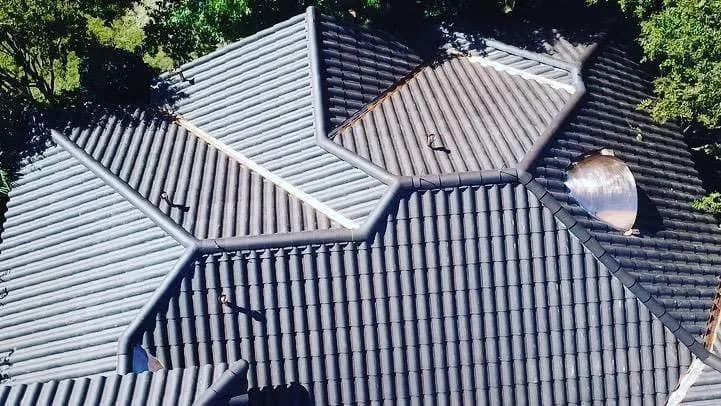
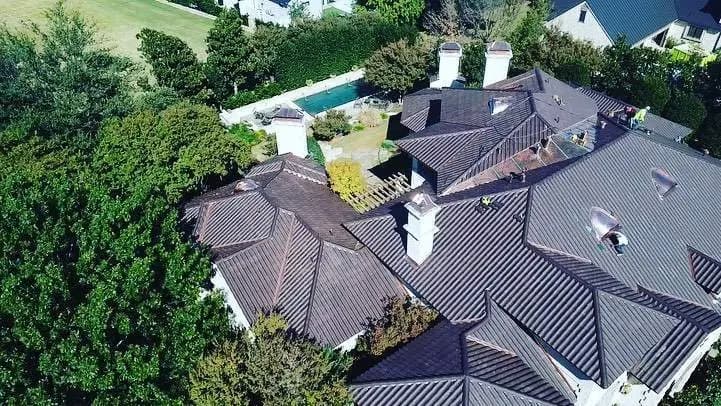
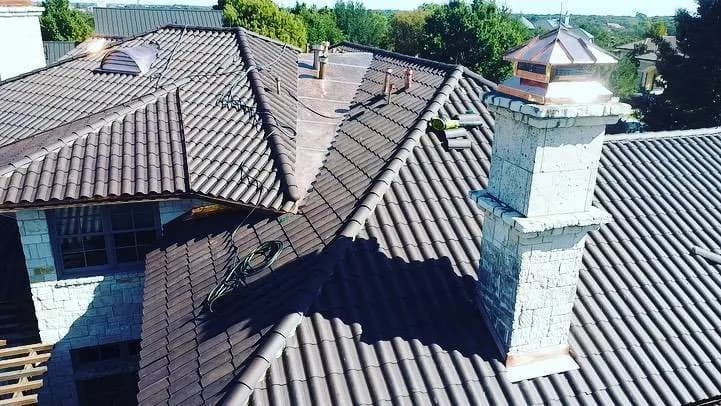
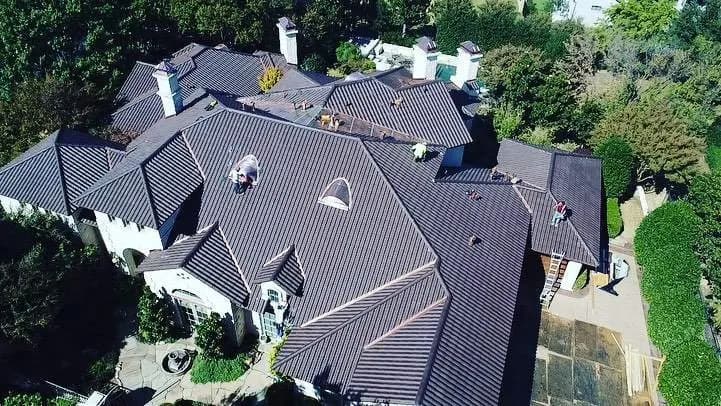
Gallery photography is from the portfolio of our slate and tile crew lead — a master craftsman with hundreds of specialty slate and tile roofs completed across the country.
Compare your options before signing
Compare roofing material priorities
Organize budget, maintenance, and material tradeoffs before a property-specific specification.
Read more about this roofing decision
Clay Tile Roof Cost 2026: Real Prices
Clay tile roofing costs $16-$50+ per sq ft installed. Compare Spanish tile, terracotta, and Ludowici prices, 75-100+ year lifespans, and real repair costs.
Ludowici Tile Cost & Profile Guide 2026
Ludowici terra cotta tile costs $25-$50+ per sq ft installed. This guide covers every profile, how to identify Ludowici tile, and matching discontinued patterns.
Why Austin Roofs Fail Early
Austin roofs face a unique triple threat: extreme thermal cycling, intense UV radiation, and acidic debris from Live Oak trees. Understanding the science helps you choose materials that actually last.
Concrete Tile Roofing Texas: Cost
Concrete tile roofing costs $10-$18/sq ft installed and lasts 40-75 years. Compare concrete vs clay tile, see maintenance costs, and learn if tile is right for your Texas home.
FAQ
Frequently Asked Questions
Why might replacing a few broken clay tiles fail to stop a leak?
The water entry may involve underlayment or flashing beyond the visible break. Ask the contractor to connect the repair scope to inspection findings and identify any remaining uncertainty.
What should an Austin tile lift-and-relay estimate include?
Include removal and handling, expected salvage, replacement-piece allowance, underlayment and flashing work, attachment details, temporary protection, and written pricing if fewer tiles can be reused than expected.
How much does it cost to repair a tile roof in Austin?
Typical clay tile repairs in Austin run $500 to $2,000 in 2026. Replacing individual cracked or slipped tiles costs $500-$1,200 depending on access and matching difficulty. Repairs involving the underlayment beneath the tile—the layer that actually waterproofs the roof—run $1,000-$3,000+ for localized sections. Ridge and hip re-bedding runs $1,500-$5,000. We provide free inspections and itemized written estimates before any work.
My tile roof is leaking but the tiles look fine. What is going on?
Almost certainly underlayment or flashing failure. On a tile roof, the tile sheds most water but the membrane beneath it does the real waterproofing—and Austin attic heat wears that membrane out in 20-40 years while clay tile lasts 75-100+. The fix is lifting tile in the affected area, replacing the underlayment and flashings beneath, and re-laying your original tile. It is a fraction of the cost of a new roof.
Will insurance cover my hail-damaged tile roof in Austin?
Often, if the damage is genuinely from hail. Adjusters distinguish fresh impact fractures—radial cracks and shattered tiles on storm-exposed slopes—from age crazing, foot-traffic cracks, and old splits, which are wear and not covered. Central Texas hail regularly produces legitimate tile claims. We document impact patterns slope by slope in the format adjusters expect, and we are honest in both directions: we support real claims and we will not inflate marginal ones.
How do I know if my roof is clay tile or concrete tile?
Check a broken piece or the underside: clay shows a uniform terracotta color through its full thickness and rings when tapped, while concrete is gray inside with color only on the surface, heavier, and duller sounding. Many Austin Mediterranean-style homes—especially 1990s-2000s builds—carry concrete tile shaped to look like clay. The distinction matters because repair stock, weight, and cost differ. We identify it during a free inspection.
What is a lift-and-relay, and is it worth it?
A lift-and-relay removes your existing tile, replaces the failed underlayment and flashings beneath it, and reinstalls the same tile. At $8-$14 per square foot it costs roughly half or less of a new tile roof, because the tile—the most expensive component—is reused. It is the right call when good tile sits on a dead membrane, which describes a large share of Austin's 1990s Mediterranean builds. If your tile itself is failing, we will tell you and price alternatives.
Can you match my discontinued tile profile?
Usually, yes. We source from current production lines, distributor boneyard stock, and tile salvage networks that carry discontinued profiles from the manufacturers common on Austin homes. When an exact match is impossible on a visible slope, we harvest matching tile from a hidden slope (a back roof plane, behind a ridge) and install the closest available match in the harvested area where it will not be seen.
How long does a clay tile roof last in Central Texas?
The clay itself lasts 75 to 100+ years—kiln-fired tile is essentially immune to the UV and heat that destroy asphalt shingles in 15-20 Texas summers. The practical lifespan question is the system beneath: underlayment lasts 20-40 years and flashings vary with metal quality. Plan on one or two underlayment renewals (lift-and-relay) over the tile's life, and the same tile can serve for a century.
Is it safe to walk on a clay tile roof?
Not without training. Clay tile is brittle under point loads, and a significant share of broken tile we repair in Austin was cracked by foot traffic—AC technicians, painters, and installers walking the tile faces instead of the bearing points. If trades need roof access, protect the walking path or have a tile-competent roofer handle it. Our crews walk on headlaps and lower thirds of tiles, use foam and staging, and still budget for the occasional tile.
Do heavier clay tiles need a structural check on my Austin home?
For a new installation, yes. Clay tile runs roughly 600 to 1,100 lbs per square—far more than shingles. Homes built with tile from the start (most Mediterranean builds in Barton Creek, Rob Roy, and Westlake) were framed for it; converting a shingle home to clay tile requires an engineering check and sometimes reinforcement. Repairs and lift-and-relays on existing tile roofs need no structural work, since the load is unchanged.
Should I seal or paint my clay tile roof?
No. Kiln-fired clay does not need sealing—its color is fired through the material and will not meaningfully fade, and coatings on clay tend to trap moisture, alter the tile's breathing, and create a repainting obligation forever after. Companies selling tile "sealing" in Austin are usually selling a service the roof does not need. Spend that money on underlayment and flashing condition instead; that is what actually determines whether your tile roof leaks.
Contact information
Thank you for considering us for roofing needs. We will get back to you during normal business hours.


Send us a message