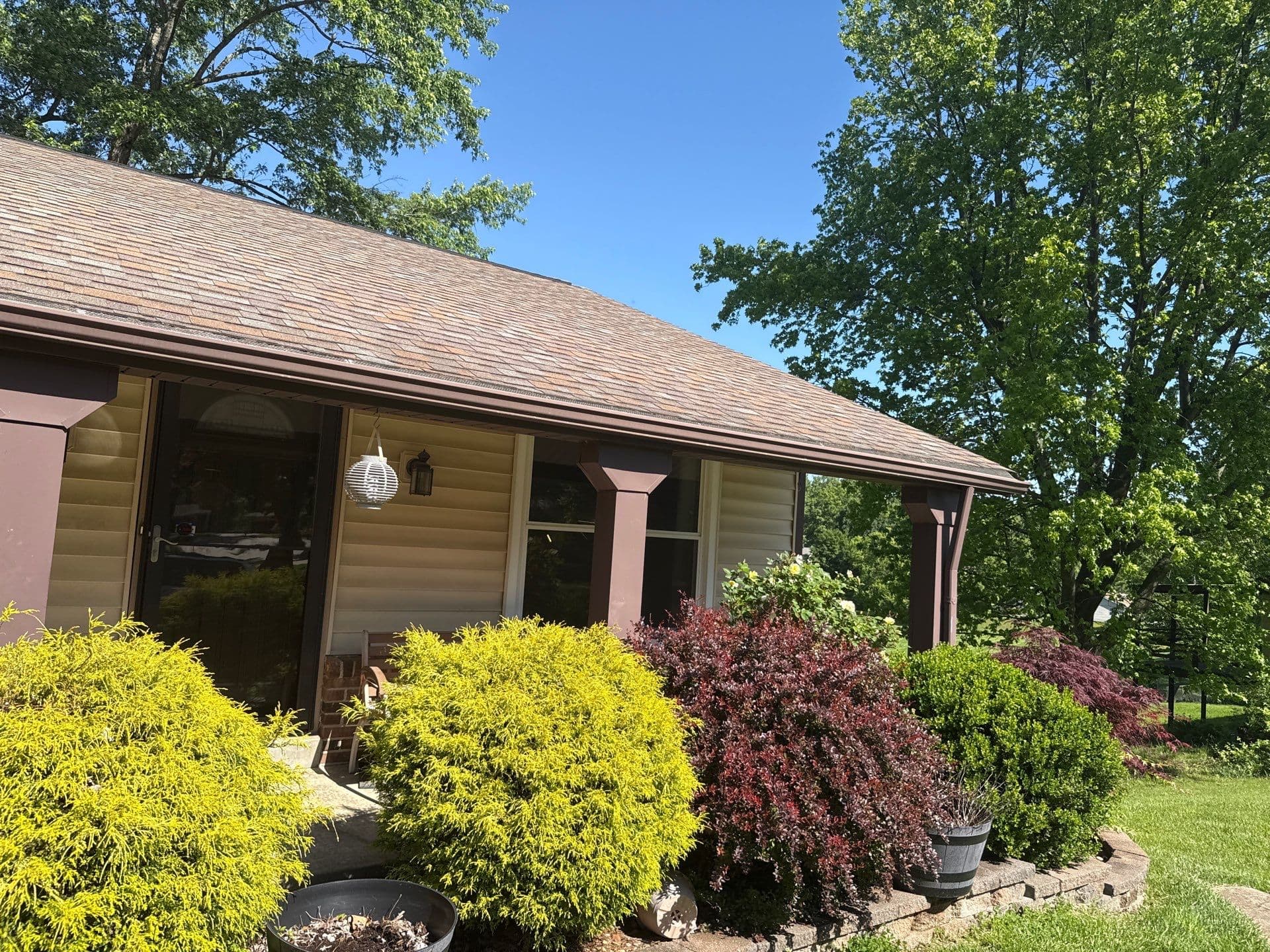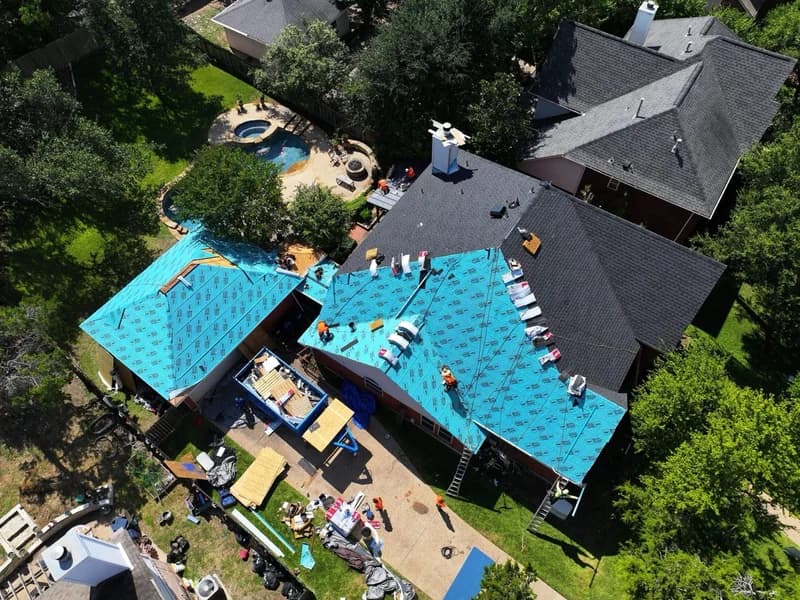
Buckling and curling describe visible changes in the shingle surface or edge. They need an assessment of the covering and supporting assembly; a photograph alone does not establish one universal cause.
Buckling and curling describe visible changes in the shingle surface or edge. They need an assessment of the covering and supporting assembly; a photograph alone does not establish one universal cause.
Document where and when it appears
IKO's residential FAQ discusses buckling associated with dimensional changes in supporting materials and factors affecting curling. This is a reason to investigate the actual assembly, not to assume every irregularity is harmless or every roof needs replacement.
Photograph the pattern from the same safe viewpoint over time. Note whether the roof is newly installed, whether the appearance changes with conditions, and whether leaking or damage accompanies it.
Ask for a component-level finding
The inspector should distinguish a raised shingle edge, a bump over a fastener, and broader deformation. Ask what was checked below the visible surface and what remains concealed.
For example, a row of irregularities aligned with an underlying joint is a different observation from isolated damage near a penetration. Ask the contractor to explain the pattern before approving a cosmetic patch.
Do not flatten or lift shingles yourself to test them. Request the manufacturer's applicable guidance and a documented repair scope. Our nail-pop guide covers one specific possibility; a condition assessment should determine what applies here.
Published by
Editorial team
Our editorial team publishes homeowner guides with sources linked in the article. For a recommendation about your roof, request an inspection of the property.
Found this helpful? Choose Lapeyre Roofing as a source you want to see on Google.
Add Lapeyre Roofing as a preferred source on Google (opens a Google window)