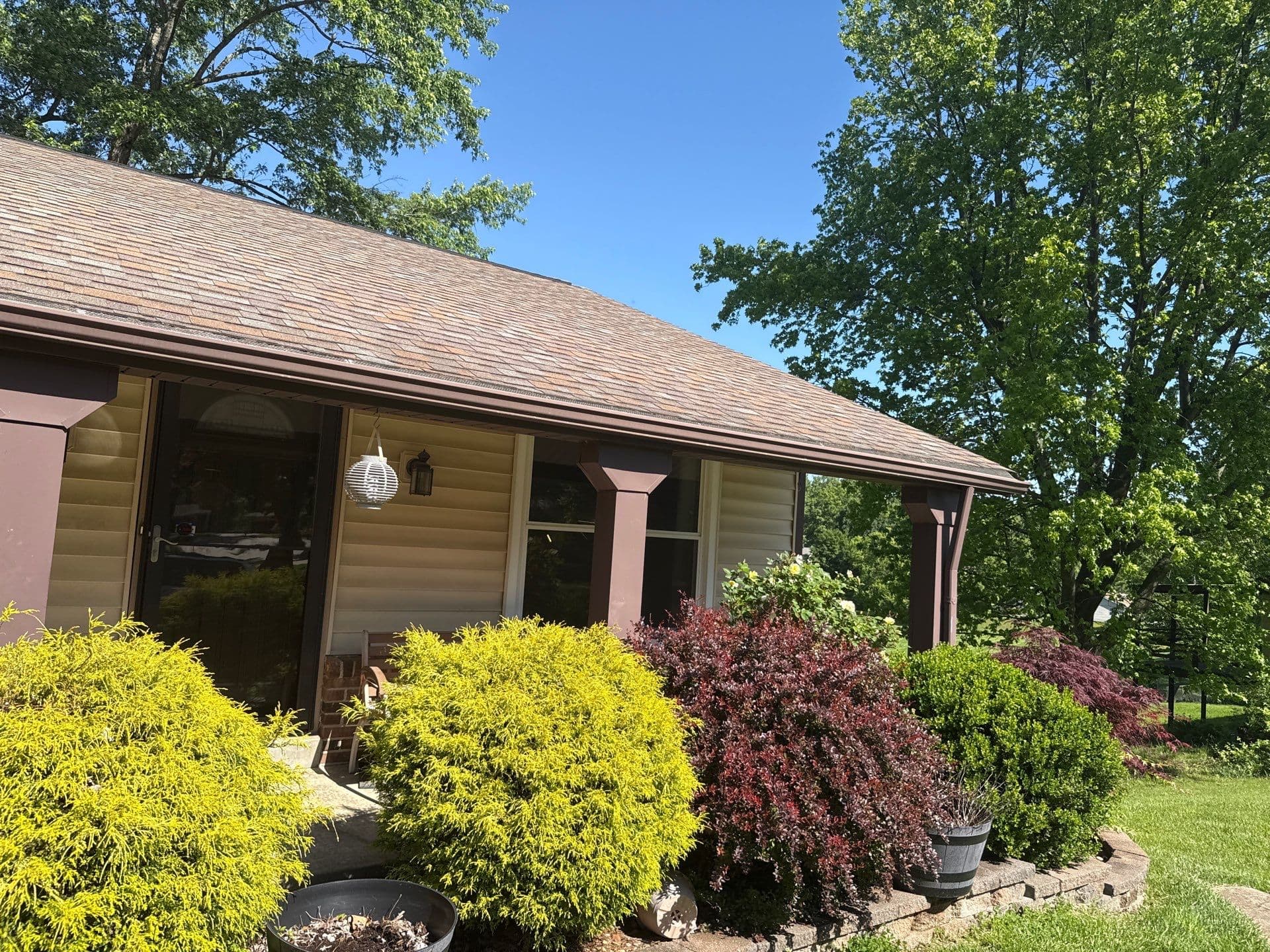
Fascia is the vertical trim at the roof edge. A useful repair addresses the damaged material and the water path that damaged it.
A roof fascia board is the vertical board or trim along the roof edge, commonly behind the gutter. If it is deteriorating, the repair needs to identify how water reaches it and whether the material behind the visible finish is still sound. A fresh cover can improve appearance while leaving the underlying problem unresolved.
Fascia, soffit, and drip edge are different parts
IKO's roof-component guide distinguishes outward-facing fascia from the soffit underneath the overhang. Drip edge is the metal roof-edge flashing; the gutter is the drainage channel. Calling all four “roof trim” makes estimates difficult to compare because the contractor may be pricing a different component than the one you expect.
Before requesting prices, photograph the affected section from the ground and describe its location: front gutter corner, rear porch edge, or sloped gable edge. Include a wider photograph showing the roof above it. Do not remove a gutter or climb onto the roof to obtain the picture. The goal is to help the inspector find the location, not to diagnose hidden deterioration yourself.
Investigate the water path before choosing a finish
Ask the inspector to distinguish damaged fascia from damaged paint or metal wrapping. Then ask what evidence supports the proposed cause. A stain below a gutter joint, a deteriorated board behind a gutter, and damage at a roof-to-wall corner may call for different corrective work. The visible location alone is not a complete diagnosis.
A useful report separates three observations: what can be seen, what was physically inspected, and what cannot be confirmed until material is removed. That distinction matters when the estimate includes an allowance for concealed wood. Request photographs of exposed conditions before a change order rather than accepting an unexplained increase after the work is finished.
Compare the repair scope, not just the linear-foot price
- Removal: Which gutter, trim, and damaged backing must come off?
- Replacement: What material, dimensions, and length are included?
- Water management: Which edge, joint, or gutter problem will be corrected?
- Finish: Is preparation, coating, or metal wrapping included, and what remains visible?
- Reinstallation: Who reinstalls and checks the gutter and adjacent trim?
- Concealed damage: How will additional work be documented, priced, and approved?
These are comparison questions, not a universal construction specification. Material choices and fastening details depend on the existing assembly. Avoid approving a substitute solely because it sounds more durable. Ask whether it works with the gutter attachment, adjacent trim, and roof edge already present.
An example of two estimates that are not equivalent
Imagine a homeowner sees deterioration along 12 feet of a rear gutter. Estimate A includes 12 feet of painted fascia replacement. Estimate B includes gutter removal, inspection of the backing, fascia replacement, correction of an identified gutter joint, and gutter reinstallation. Even if B costs more, the proposals do not yet describe the same repair.
The homeowner should ask A whether those additional operations are included, excluded, or unnecessary based on inspection. Ask B to explain the evidence for the joint repair. This avoids assuming that the cheaper estimate is incomplete or that the more expensive one is automatically better. Scope and diagnosis should resolve the difference.
What should be settled before approval?
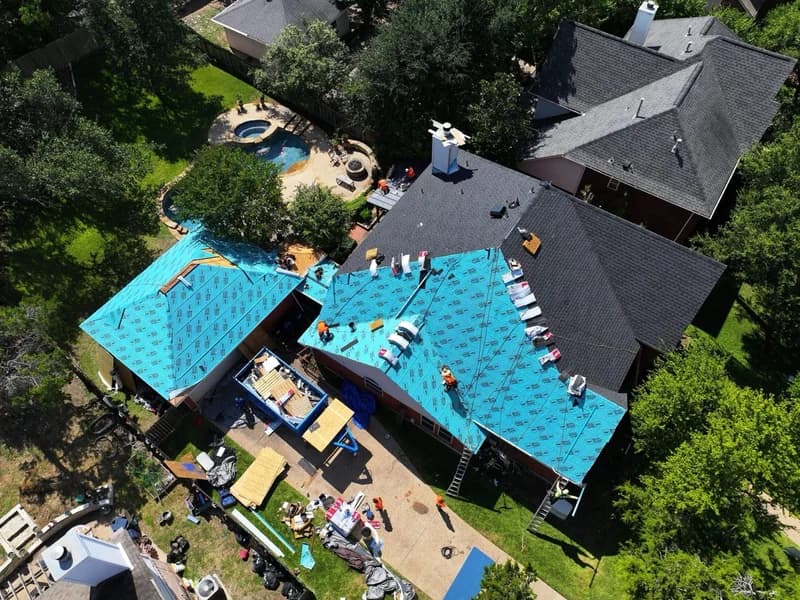
Confirm the exact area, the approved finish, access requirements, and who handles attached gutters. Ask for a photograph after removal and another before the repair is concealed. If the inspector recommends broader roof work, request the separate findings that justify it. A fascia issue by itself does not establish that the entire roof must be replaced.
Keep the scope and final photographs with your home records. They give a future contractor something more useful than “the trim was fixed.” If water appears again, note when it occurs and the weather conditions instead of covering the stain immediately. For broader decisions, compare the evidence in our repair-versus-replacement guide or request a roof repair assessment.
Common questions
Frequently asked
No. Fascia faces outward at the roof edge; soffit is the underside of an overhang. A repair may involve one or both.
Published by
Editorial team
Our editorial team publishes homeowner guides with sources linked in the article. For a recommendation about your roof, request an inspection of the property.
Found this helpful? Choose Lapeyre Roofing as a source you want to see on Google.
Add Lapeyre Roofing as a preferred source on Google (opens a Google window)