St. Louis siding cost is driven by the hail belt reality and freeze-thaw climate. Hardie HZ5 (cold-climate formulation), LP SmartSide hail warranty, and Class 4 upgrades all factor into the spec. Here is what STL homeowners actually pay in 2026.
St. Louis sits in one of the most active hail corridors in the United States, and that reality dominates siding cost decisions here more than in any other market we serve. NOAA Storm Prediction Center data consistently ranks Missouri among the top states for severe hail reports per year. That drives material selection toward Hardie HZ5 (the cold-climate formulation) or LP SmartSide with its explicit 1.75-inch hail damage warranty — and it makes Class 4 hail-rated upgrades a real cost-benefit conversation.
Quick Answer
For a 2,500 square foot St. Louis home with typical complexity:
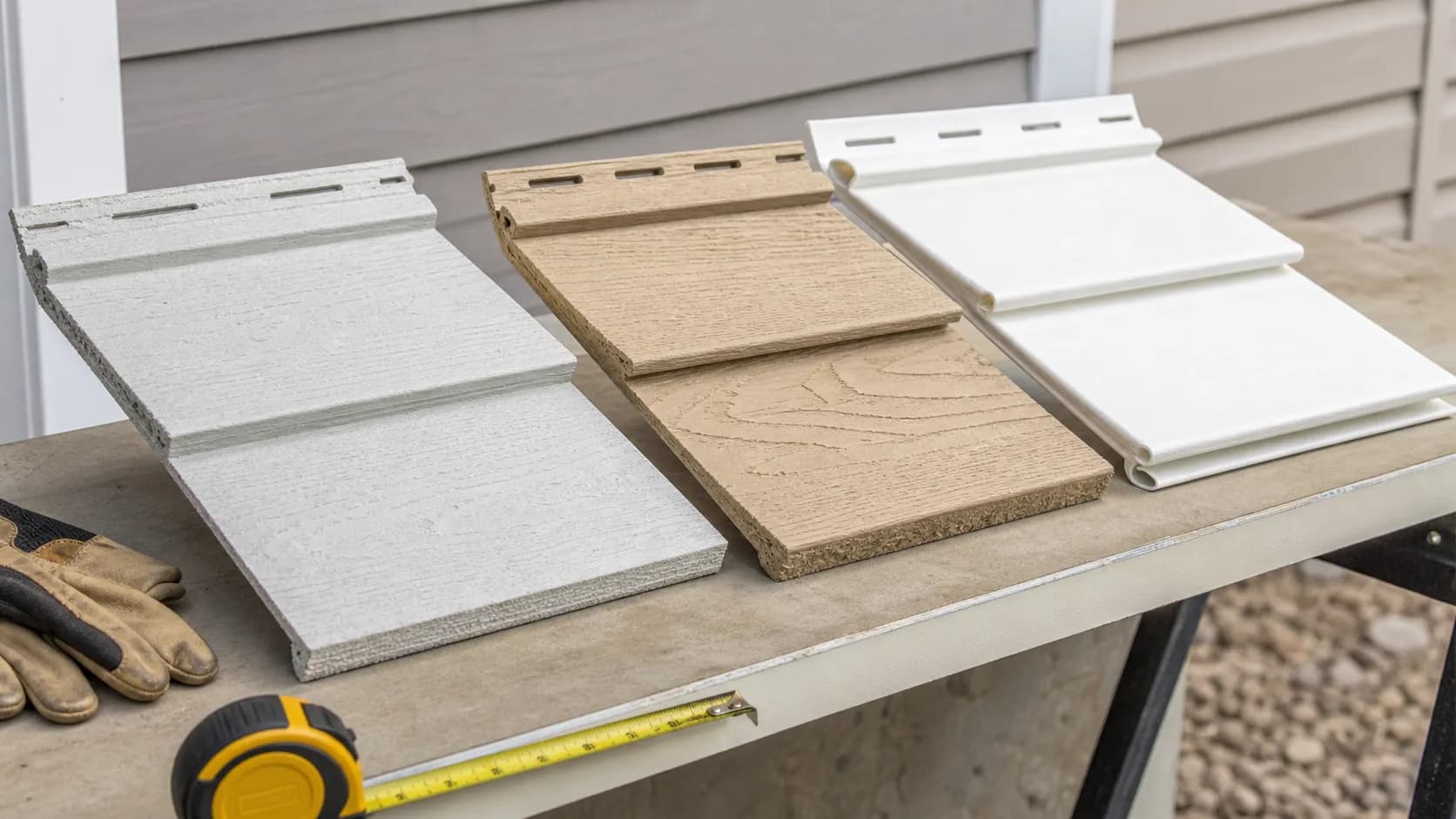
- Premium vinyl: the lowest installed cost; risky in cold-weather hail (becomes brittle below 50°F)
- Insulated vinyl: modest premium; significantly improves cold-weather hail performance
- LP SmartSide: mid tier; the 1.75-inch hail damage warranty is one of the strongest reasons to choose it in STL
- Hardie ColorPlus HZ5: premium tier; cold-climate formulation engineered for zones 1-5
- Class 4 hail-rated upgrade: add to base; some carriers offer wind/hail discount
Cost by Material
Premium Vinyl (Risky in STL)
Standard-grade vinyl is generally not the right call in St. Louis because it cracks on impact in cold weather. Most St. Louis hail events occur in spring when temperatures are still in the 40s and 50s. Premium-grade vinyl in the 0.048-0.055 inch range with full rollover nail hems handles wind well but the hail brittleness problem remains.
Insulated Vinyl
Foam-backed vinyl panels significantly improve cold-weather impact resistance compared to standard vinyl. They also add R-2 to R-3 of continuous insulation — meaningful in STL's heating-dominant climate — and reduce oil-canning. Defensible budget choice for hail-conscious STL homeowners ruling out fiber cement and engineered wood.
LP SmartSide (Strong STL Choice)
Engineered wood with the SmartGuard zinc-borate treatment. The headline reason to choose LP in St. Louis: the explicit hail damage warranty up to 1.75 inches in diameter when properly installed. Few siding warranties name a specific hail size. Combined with the 5/50/15 base warranty, this makes LP one of the most defensible material choices for the hail belt.
Hardie ColorPlus HZ5 (Premium Tier)
The right Hardie formulation for St. Louis. HardieZone HZ5 is engineered for cold-climate zones 1-5 — reduced water absorption rate, more strength in freezing climates, modified profile with drip edge for improved water management. Carries the 30-year non-prorated transferable substrate warranty. We do not install HZ10 in St. Louis (that is the hot/humid formulation for southern markets).
Hail-Rated Upgrade Premium
Class 4 is the highest impact rating in the four-tier UL 2218 / FM 4473 system. Some siding manufacturers offer Class 4 impact-rated products, and some Missouri insurance carriers offer wind/hail discounts for Class 4 cladding. Cost premium varies by manufacturer and configuration.
The cost-benefit decision depends on:
- Whether your carrier currently recognizes Class 4 cladding documentation
- Documented hail history at the address and ZIP
- How long the homeowner expects to be in the home
- Risk tolerance for repeat hail-claim cycles
For homes with documented multi-event hail history, Class 4 is often defensible. For homes outside the most active hail corridors, it may not pay back.
Cold-Climate Spec Considerations
St. Louis sees 60-100 freeze-thaw cycles per year. Standard acrylic latex caulks fail at expansion-prone joints over multiple winters — once they fail, water finds the WRB and works inward, then refreezes and drives damage deeper. The fix is elastomeric, manufacturer-approved sealants only where the spec calls for them.
Hardie HZ5 includes a drip-edge profile specifically designed for cold-climate water management. The reduced water absorption rate compared to HZ10 helps with freeze-thaw resistance — water absorbed into the substrate that subsequently freezes is one of the dominant cold-climate failure modes for fiber cement.
Snow-load splashback at grade is a real concern. Hardie technical spec calls for siding clearance from grade (6 inches from earth, 2 inches from hard surfaces). Many older STL homes have siding installed too close to grade — adjustment may be needed during install.
No FORTIFIED Grant Program in Missouri
Missouri does not have a state-funded FORTIFIED grant program. The IBHS FORTIFIED standard is national, so the construction practices apply anywhere — but the grant programs are state-specific. Currently:
- Louisiana has the LDI Fortify Homes Program with up to $10,000 grants
- Alabama has Strengthen Alabama Homes with similar grants
- Mississippi has paused its program
- Missouri has no current state FORTIFIED grant program
If a contractor mentions FORTIFIED grants in St. Louis, ask them to cite the specific program. There is no Missouri equivalent at this time.
Insurance and Hail Damage
Hail and wind-driven debris are typically named perils on Missouri homeowners policies. St. Louis siding hail-claim work follows the same documentation playbook we use for roof claims.
Common adjuster misses:
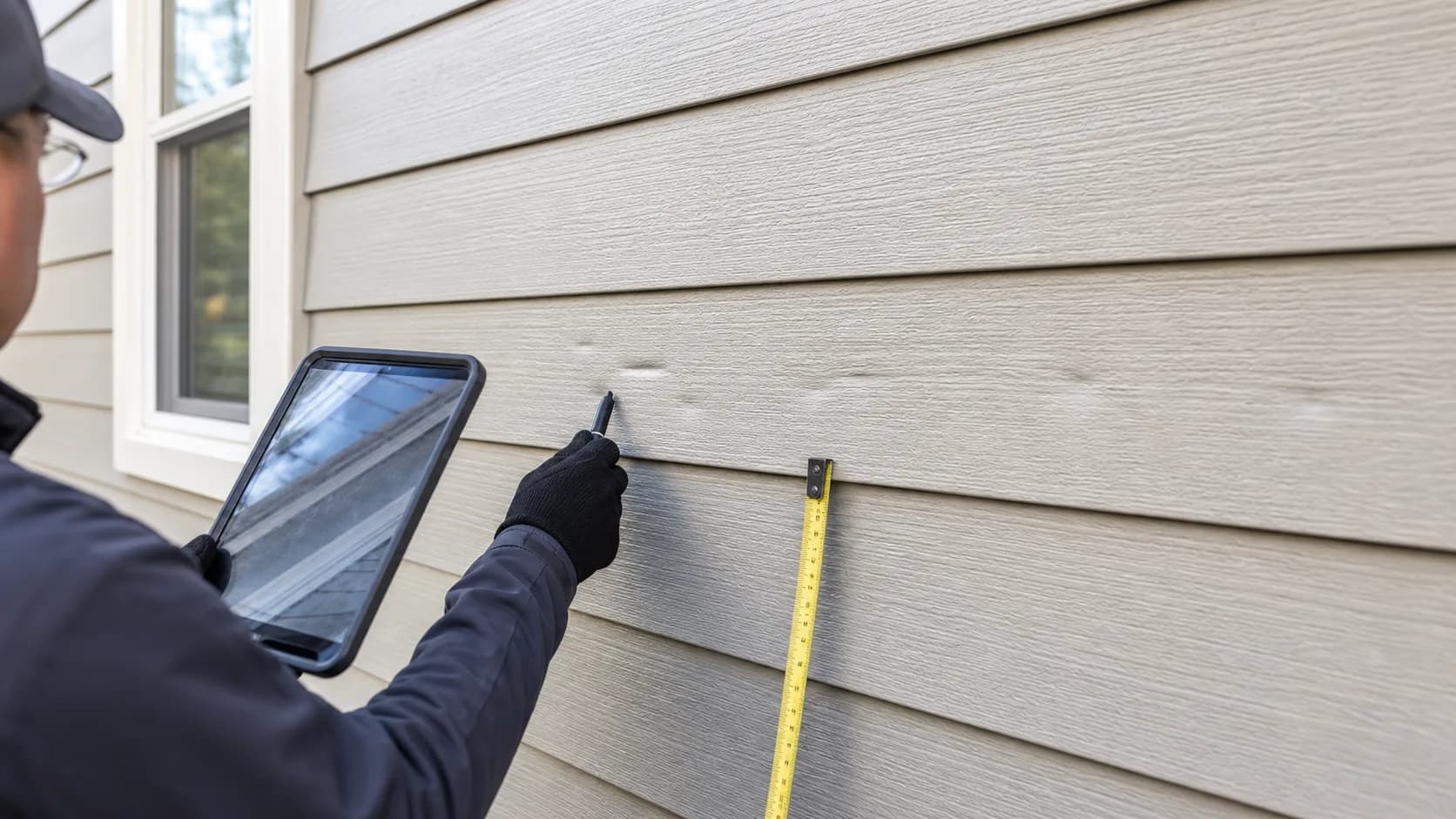
- Hidden hail bruising on vinyl panels (visible only at oblique angles or under flashlight)
- Wind-creased fiber cement (micro-cracks that become visible after the next freeze-thaw cycle)
- Backside water intrusion at fastener penetrations
- Color-match issues for partial replacements
- Trim and accessory damage that gets bundled into the main claim and missed
We document slope-by-slope and panel-by-panel and supplement when initial estimates miss damage.
How to Spot a Lowball STL Estimate
- HZ5 vs HZ10 confusion. St. Louis needs HZ5. Anyone quoting HZ10 is selling the wrong climate formulation.
- Standard vinyl in hail country. Standard-grade vinyl in St. Louis is a near-term hail problem. If the bid is heavily standard-vinyl-driven, ask why.
- FORTIFIED grant claims for Missouri. There is no MO FORTIFIED grant program. If a bid mentions one, that is misleading at best.
- Latex caulk only. Standard latex caulks fail in STL freeze-thaw. Quality bids spec elastomeric, manufacturer-approved sealants.
- Sheathing repair excluded. Older STL homes can reveal water damage from years of failed flashings or ice dams. Bids excluding sheathing scope are setting up change orders.
- No hail-warranty mention. In St. Louis, the LP SmartSide hail warranty is one of the strongest single reasons to choose engineered wood. Bids that ignore it are missing a real differentiator.
Frequently Asked Questions
Common questions
Frequently asked
HZ5. Hardie engineers HZ5 for cold-climate zones 1-5, which includes St. Louis. Reduced water absorption, more strength in freezing temperatures, drip-edge profile for water management. HZ10 is the hot/humid formulation for southern zones 6-10 (think Houston or New Orleans) and would be a climate mismatch in STL.

Founder of Lapeyre Roofing, continuing a family legacy in Louisiana since 1699. Licensed in Louisiana, GAF Certified, and FORTIFIED Roofing specialist serving Texas and Louisiana.