Hardie and LP both make excellent siding. The right choice depends on hail-warranty priority, install logistics, warranty structure, and a few specific climate considerations. Honest comparison from installers.
Both Hardie HardiePlank and LP SmartSide are excellent siding products. We install both. The question is not "which is better" — it is "which is right for this specific home, climate, budget, and risk profile." This guide walks through the real differences from an installer perspective, not a marketing perspective.
TL;DR
- Hardie HardiePlank — fiber cement (cement, sand, cellulose, water). Termite-inedible. Non-combustible. 30-year non-prorated substrate warranty. Heavier; specialty cutting blades and dust collection during install.
- LP SmartSide — engineered wood with SmartGuard zinc-borate treatment. Termite-resistant via treatment. Class A fire-rated when assembled per spec. 5/50/15 warranty plus explicit 1.75-inch hail damage coverage. Lighter; standard wood-style fastening.
- Best Hardie use case: longest-term warranty priority, full hurricane exposure, premium budgets where ColorPlus longevity matters.
- Best LP use case: hail-priority markets (St. Louis, Austin, hail belt), faster install, multi-story homes with access constraints.
Composition
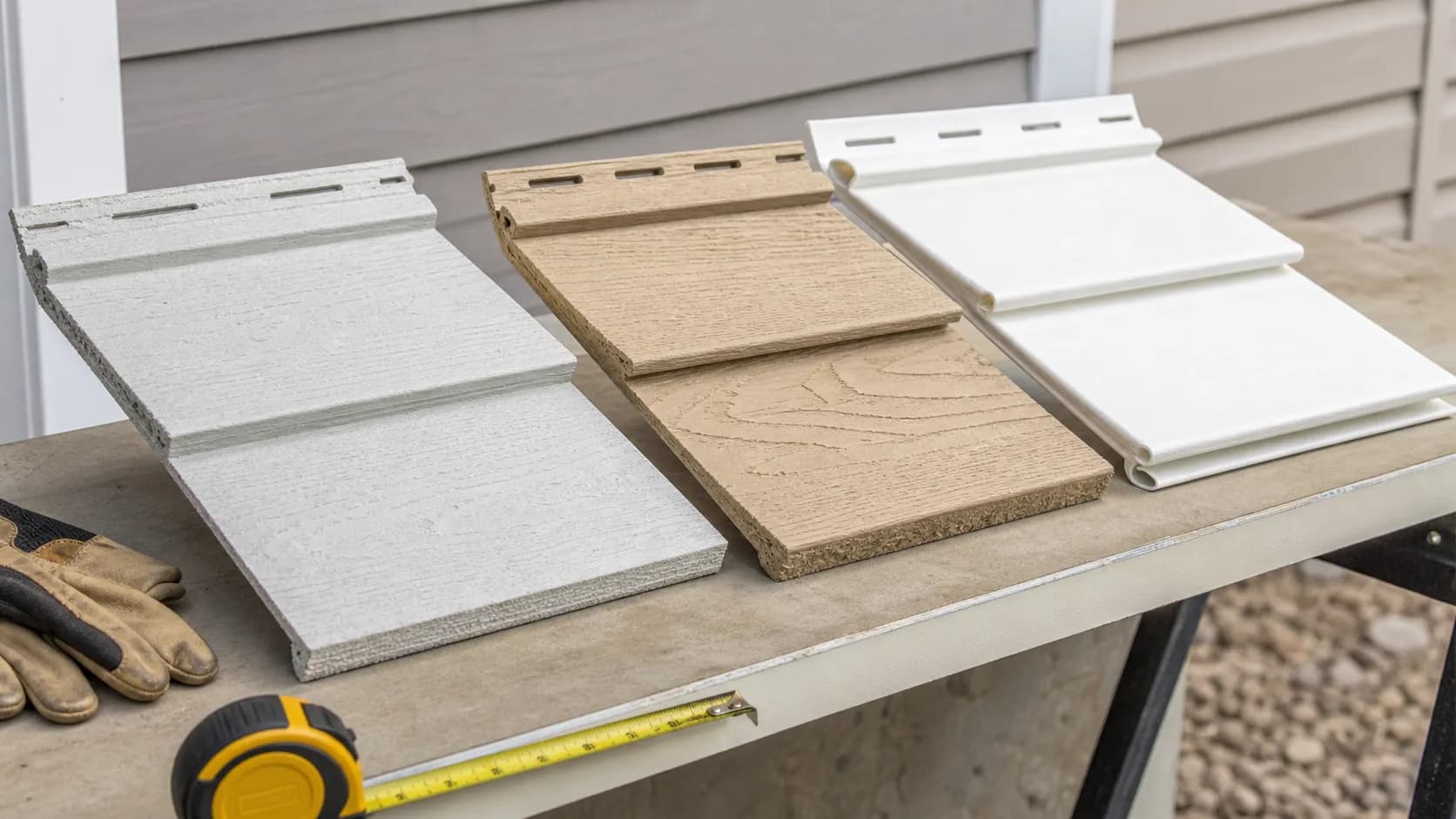
Hardie HardiePlank: Fiber cement. Composed of portland cement, sand, cellulose fiber, and water, formed into planks and cured. Non-combustible per ASTM E136. Pest-resistant (no appeal to termites or woodpeckers). Dimensionally stable across humidity cycles.
LP SmartSide: Engineered wood. The substrate is wood strands bonded with resins and treated with the proprietary SmartGuard process — zinc borate, waxes, and resins. Termite resistance via treatment. Fungal decay resistance via treatment. Cuts and fastens like wood.
Warranty Comparison
Hardie:
- 30-year non-prorated, transferable substrate warranty
- ColorPlus baked-on finish has its own separate warranty
- Warranty applies only when installed per Hardie technical bulletins (fastener type, blind-nailing, expansion gaps, clearance from grade)
LP SmartSide:
- 5/50/15 limited warranty: 5 years 100% labor and material replacement, 50 years prorated substrate, 15 years on ExpertFinish prefinished products
- Transferable, prorated
- Hail damage warranty up to 1.75 inches in diameter when properly installed and maintained
The structural difference: Hardie's 30 years are non-prorated (full coverage during the warranty period), LP's 50 years are prorated (coverage decreases over time). Hardie wins on full-coverage longevity; LP wins on having the explicit named hail warranty.
Hail Performance
Both products perform well against moderate hail when properly installed. The difference is warranty language:
- Hardie: Strong hail performance in field experience, but no explicit hail-size warranty in standard documentation. Hail damage to Hardie is generally claimable through homeowner insurance under standard hail-peril coverage.
- LP SmartSide: Explicit warranty for hail up to 1.75 inches in diameter when properly installed. This is a meaningful written commitment in hail belt markets.
For St. Louis, Austin, and other hail-prone markets, the LP named warranty is one of the strongest single reasons to choose engineered wood over fiber cement.
Install Experience
From an installer perspective, Hardie and LP have meaningfully different install workflows.
Hardie HardiePlank:
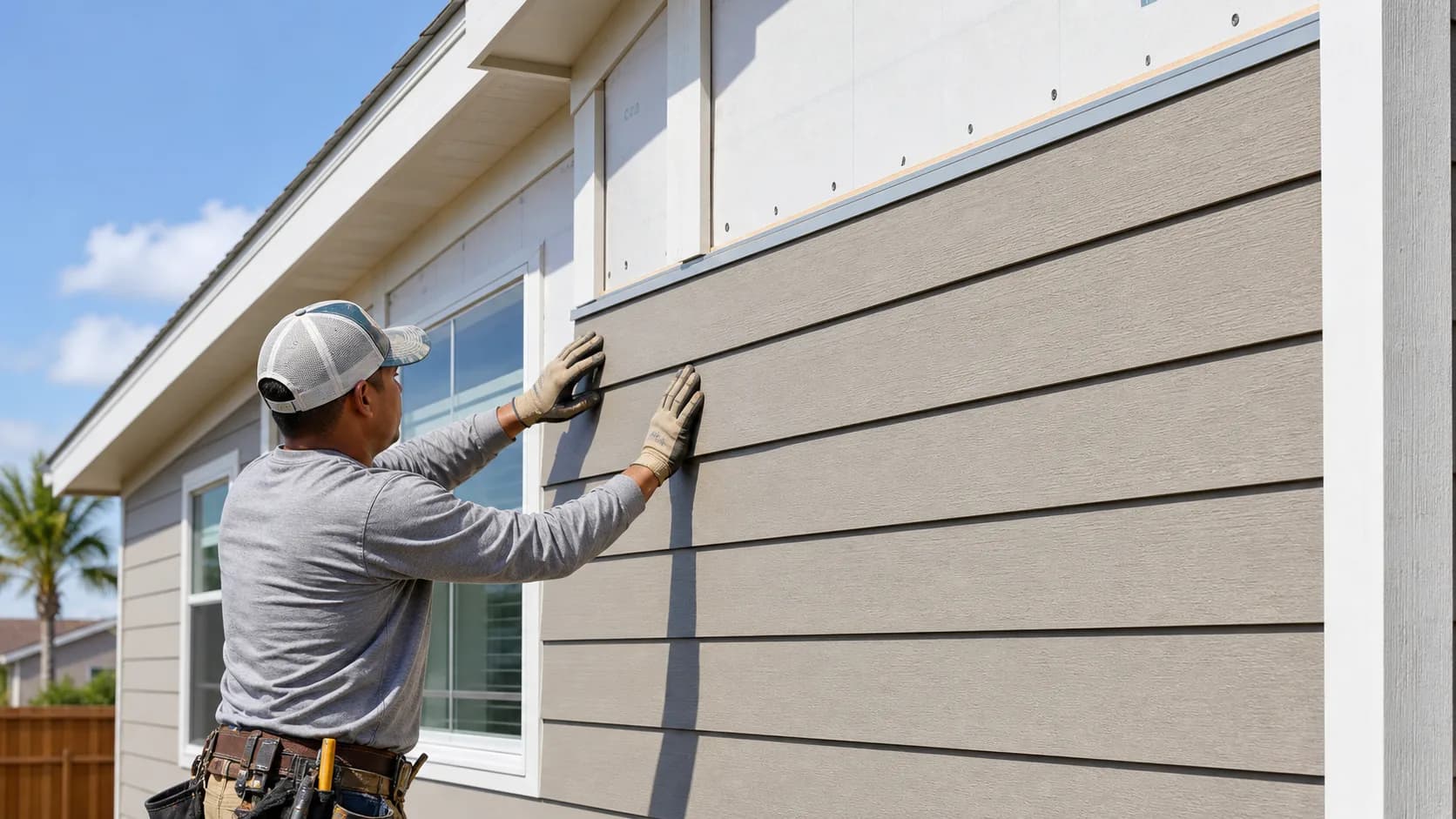
- Heavy. A 12-foot HardiePlank weighs significantly more than a 12-foot LP plank. Multi-story access takes more crew time and equipment.
- Specialty cutting required. Diamond-grit blades or shears, dust collection (silica dust is a regulated hazard).
- Blind nailing per technical bulletin. Specific fasteners (typically 6d or 8d hot-dip galvanized roofing nails or stainless equivalent depending on exposure).
- Expansion gaps mandatory at butt joints (typically 1/8 inch with sealant or back-flashed butt joint).
- Clearance from grade required (6 inches from earth, 2 inches from hard surfaces).
LP SmartSide:
- Lighter. Standard 16-foot lengths are manageable for two installers without lifts on most single-story work.
- Cuts with standard carbide-tipped circular saws. No specialty blades or dust collection beyond normal carpentry practice.
- Standard wood-style fastening per LP install instructions.
- Faster install on multi-story homes where Hardie weight slows the crew.
For homes with narrow lot access or multi-story configurations, LP can save meaningful time. For ground-floor installations on simple homes, the install difference is smaller.
Climate Suitability
Both products work in all four of our markets, but with formulation differences:
- Hardie HZ5 — engineered for cold-climate zones 1-5. Right for St. Louis. Wrong for Texas and Louisiana.
- Hardie HZ10 — engineered for hot, humid, hurricane-exposed zones 6-10. Right for Austin, Houston, New Orleans. Wrong for St. Louis.
- LP SmartSide — single formulation for all four markets. SmartGuard treatment provides termite and decay resistance critical in NOLA Formosan termite zone.
The HardieZone System is more climate-specific than LP's universal product, which can be either a feature or a complication depending on perspective.
Cost Comparison
LP SmartSide typically sits at mid-tier cost between premium vinyl and Hardie ColorPlus, with the gap narrowing when ExpertFinish prefinish is specified. The exact spread varies by market, project size, and configuration. For a typical 2,500 square foot home, Hardie ColorPlus is usually the more expensive option installed, often by 15-30 percent.
The cost premium for Hardie ColorPlus over LP ExpertFinish reflects:
- Material cost difference
- Heavier installation labor (multi-story access, lifting)
- Specialty cutting blades and dust collection
- ColorPlus color surcharges on limited-stock colors
How to Choose Between Hardie and LP
The decision tree we walk clients through:
- Are you in a hail belt market and prioritizing hail performance? LP's 1.75-inch named warranty is the strongest single argument for SmartSide. Lean LP.
- Do you want the longest non-prorated substrate warranty? Hardie's 30-year non-prorated is the stronger structural warranty for full-coverage longevity. Lean Hardie.
- Is the home multi-story or access-constrained? LP's lighter weight saves install time and reduces equipment requirements. Lean LP.
- Are you in heavy termite pressure? Hardie is fully termite-inedible; LP is termite-resistant via SmartGuard treatment. Both work but Hardie is structurally inedible. Slight Hardie lean for termite-priority projects.
- Is non-combustibility critical? Hardie is ASTM E136 non-combustible (will not burn). LP is Class A fire-rated when assembled per spec. Both are excellent for fire-rated assemblies; Hardie has the structural advantage in WUI zones.
- Budget tier? If LP fits the budget and Hardie does not, LP at ExpertFinish is a strong tier-down without dropping to vinyl.
Honest summary: most clients can be happy with either product when properly installed. The decision rarely makes or breaks a project. Spending the same energy on flashing details and WRB strategy matters more than the brand on the cladding.
Frequently Asked Questions
Common questions
Frequently asked
Both are durable when properly installed. Hardie has the longer non-prorated substrate warranty (30 years) and is structurally termite-inedible and non-combustible. LP has the named 1.75-inch hail damage warranty and lighter weight for easier install. Most homes are happy with either after 20 years; the bigger durability variable is install quality, not brand.

Founder of Lapeyre Roofing, continuing a family legacy in Louisiana since 1699. Licensed in Louisiana, GAF Certified, and FORTIFIED Roofing specialist serving Texas and Louisiana.