Barton Creek Roofing Guide
Local Details That Matter for Your Roof
Inspect the Whole Roof Assembly
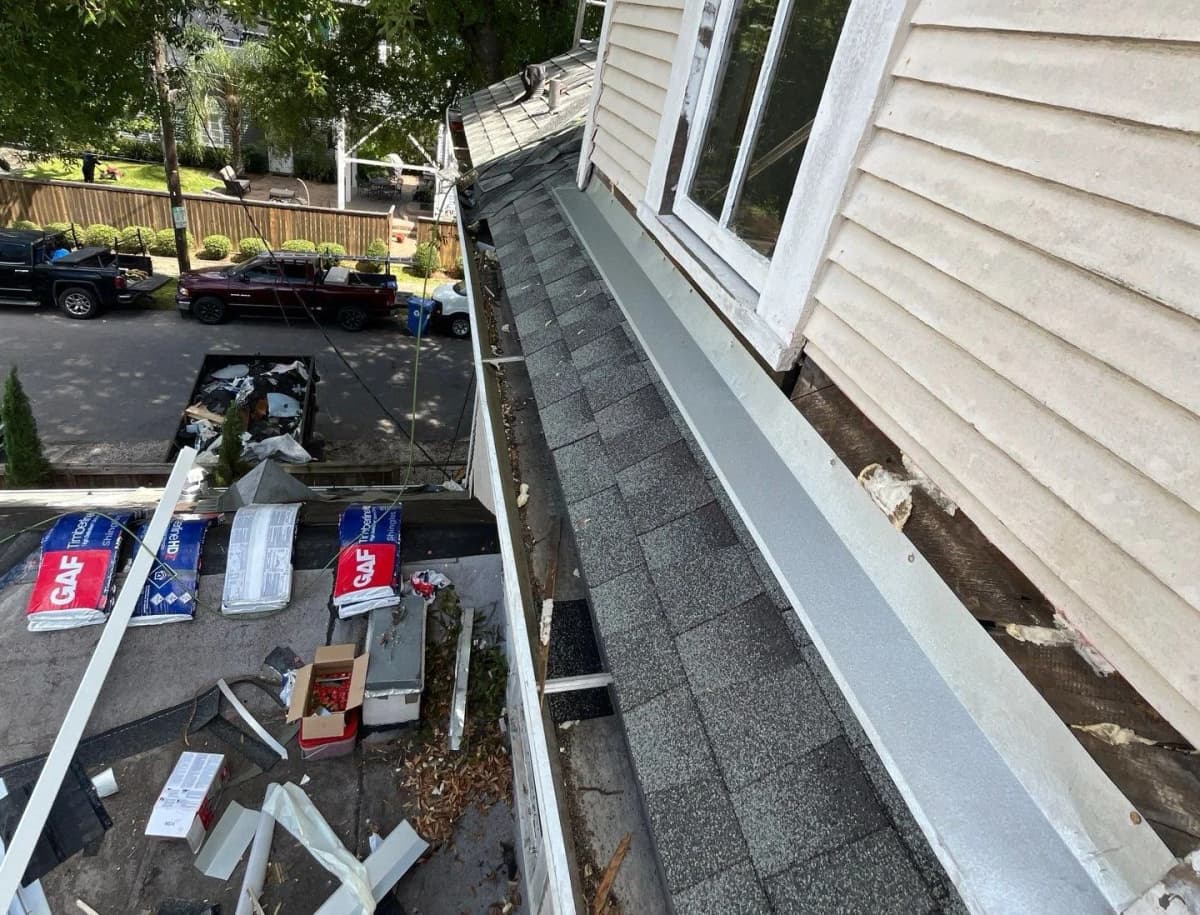
A useful inspection does more than identify the visible roof covering. It follows valleys, walls, penetrations, flashing, drainage paths, and material transitions to find the construction detail associated with a leak or observed damage.
Lapeyre records those conditions with photographs and distinguishes urgent water-entry risks from maintenance items and longer-term replacement planning.
- Roof covering and underlayment condition
- Valleys, walls, penetrations, and flashing details
- Drainage paths and signs of past water entry
- Material availability and access constraints
Repair Decisions Depend on the Installed System
Tile, metal, and asphalt-shingle assemblies use different attachment, flashing, and integration methods. A defensible repair scope starts by identifying the installed system and the failed detail rather than applying one generic repair method.
If an HOA, manufacturer, or permit requirement affects the proposed material or appearance, it should be confirmed for the specific address before the scope is finalized.
Use the Documented Local Work as Proof
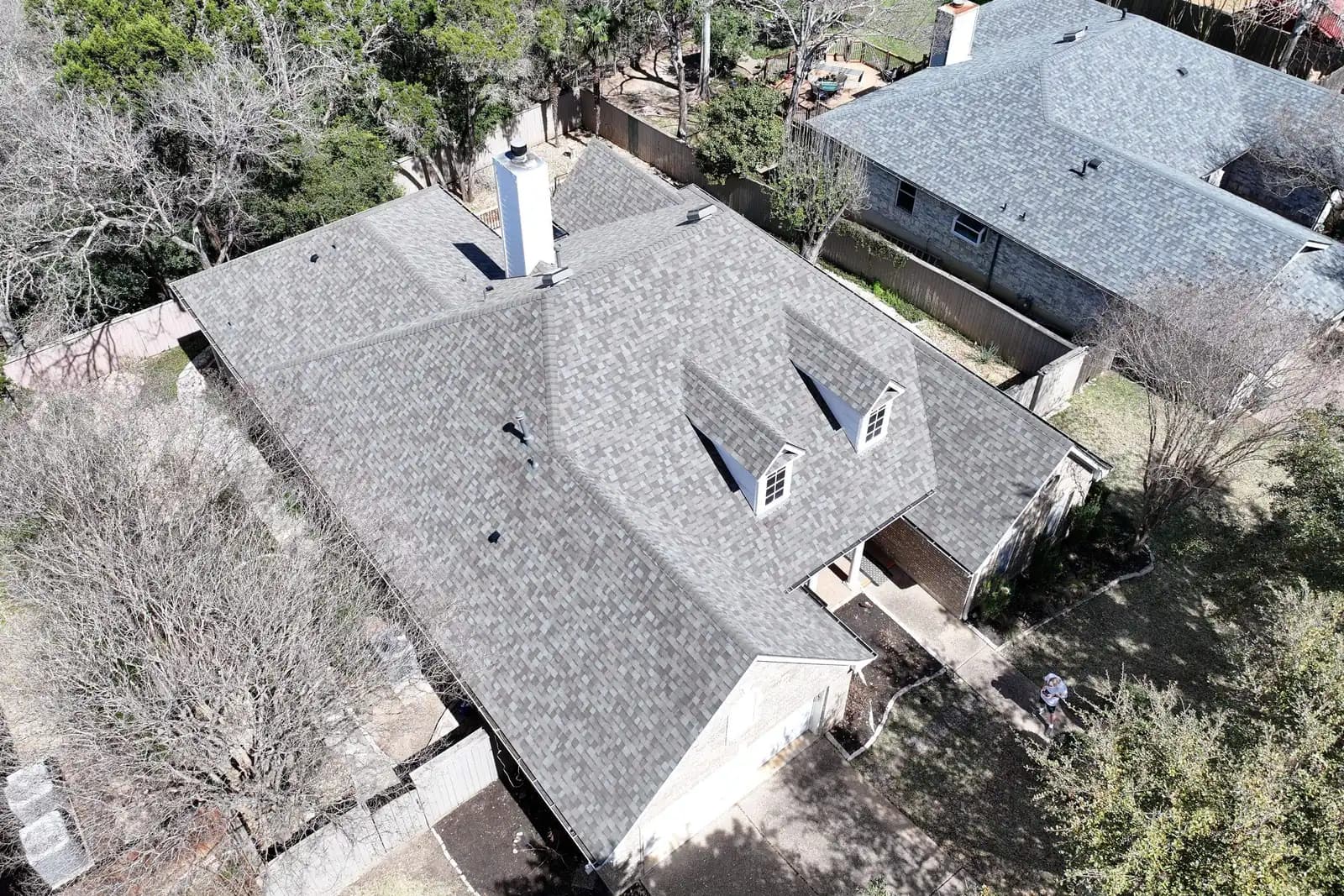
The recent-work gallery on this page is populated from project records assigned to Barton Creek. It is the page's first-party evidence of local work; the photographs and project labels should be used instead of unsupported claims about project volume.
After inspecting the property, Lapeyre provides a written construction scope and explains which observed conditions support repair, replacement, or further investigation.







 Hail-Resistant Specialists: