Bryker Woods Roofing Guide
Local Details That Matter for Your Roof
What Bryker Woods Roofs Face in Central Austin
Bryker Woods is an established neighborhood just northwest of downtown Austin, shaded by mature pecans and live oaks. Those trees are part of the neighborhood's charm, but they also drop limbs during the high winds that accompany Central Texas thunderstorms and shed debris into valleys and gutters on the older roofs below.
Hail remains the primary storm threat here, as it is across Travis County, and a spring cell can bruise shingles across a whole slope. The tight, mature tree canopy also shades north-facing sections, where trapped moisture speeds up algae growth and wear.
- Hail is the main storm threat across Central Austin
- Mature pecans and oaks drop limbs and debris during storms
- Shaded north slopes hold moisture and grow algae faster
- Older, steeper rooflines have more exposed detailing to maintain
Historic Bungalows and Cottage Rooflines
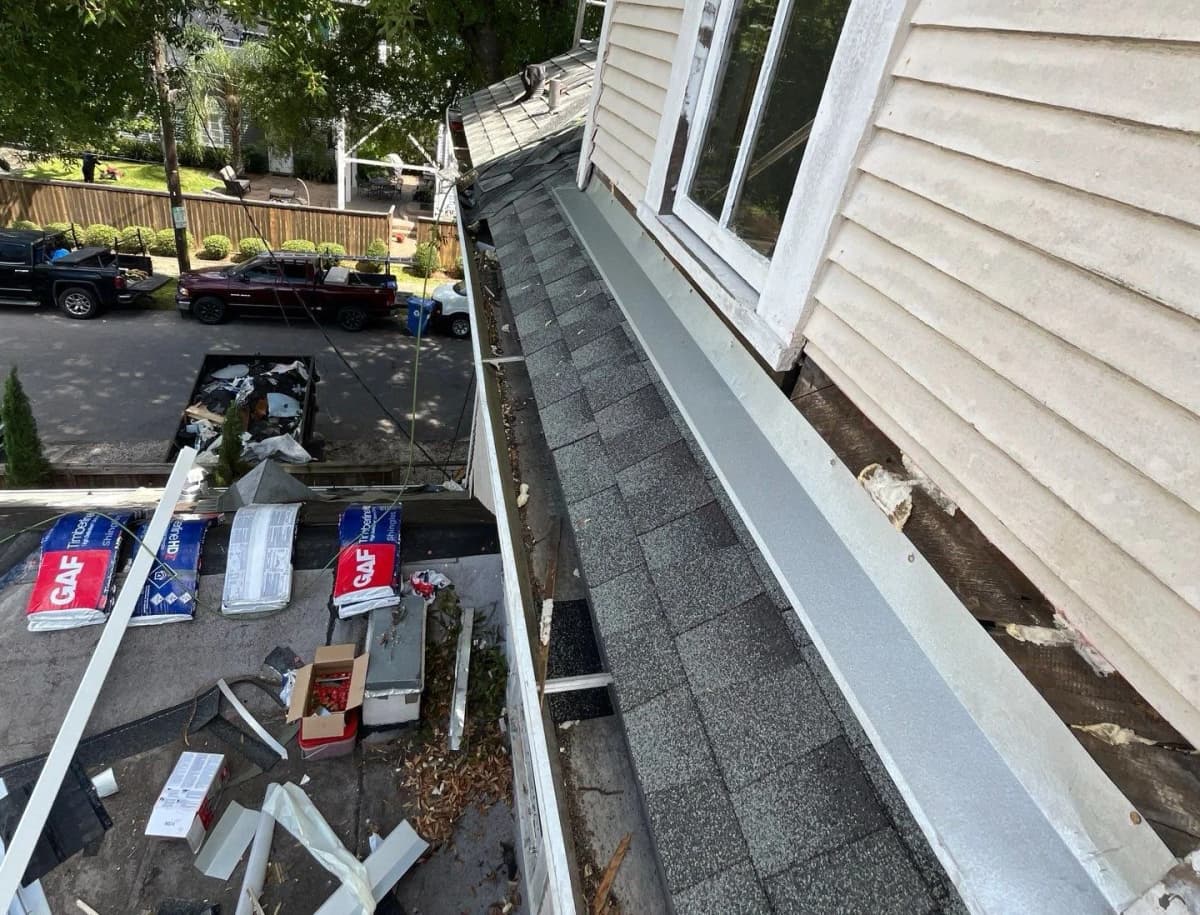
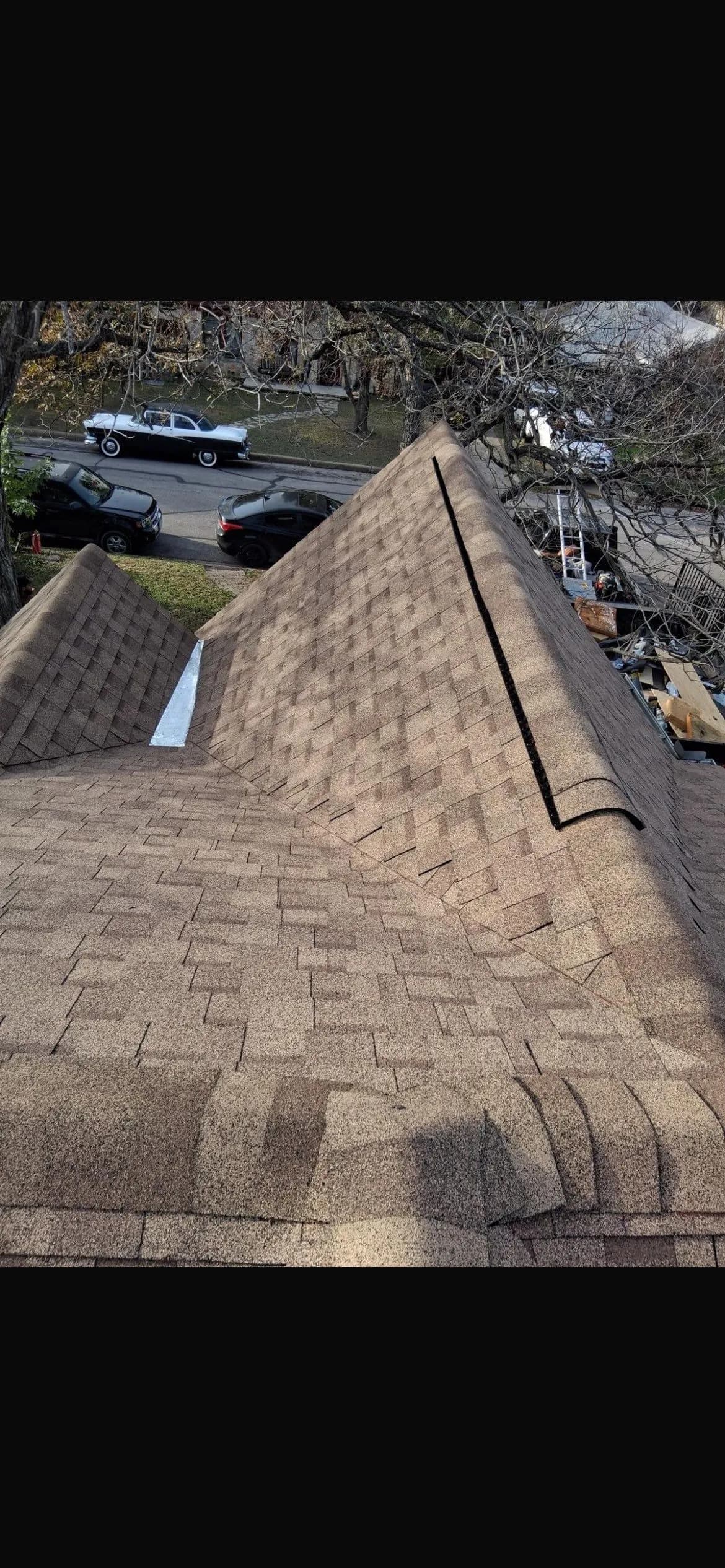
Bryker Woods is known for its 1930s and 1940s bungalows, Tudor-influenced cottages, and modest historic homes on compact lots. These roofs tend to be steeper and more detailed than modern production roofs, with smaller footprints but plenty of gables, dormers, and transitions that require careful flashing.
Many original homes have been renovated or added onto over the years, leaving mixed roof ages and materials on a single house. That makes a real inspection important, because the newest section and the oldest section of the same roof can be in very different shape.
How Lapeyre Roofing Serves Bryker Woods
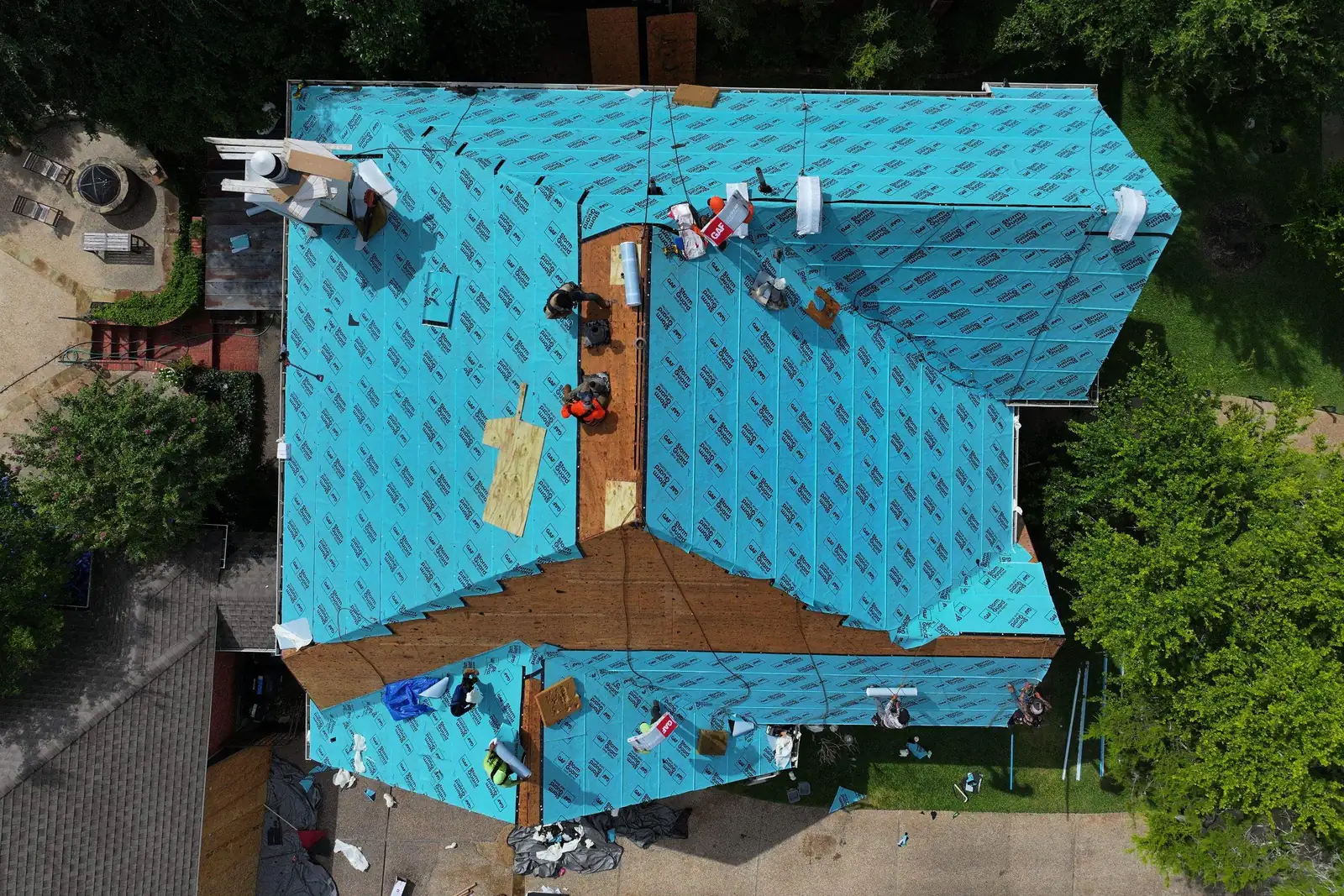
Our Austin office is close to Bryker Woods, Tarrytown, and the surrounding central neighborhoods, so we can respond quickly after a storm. We install impact-resistant Class 4 shingles that suit the scale and style of these older homes and stand up to Central Texas hail.
We take care with the detailing that historic rooflines demand, document any storm damage with photos and measurements for your carrier, and give honest guidance on whether a repair or a full replacement is the smarter move. Inspections are free.





 Hail-Resistant Specialists: