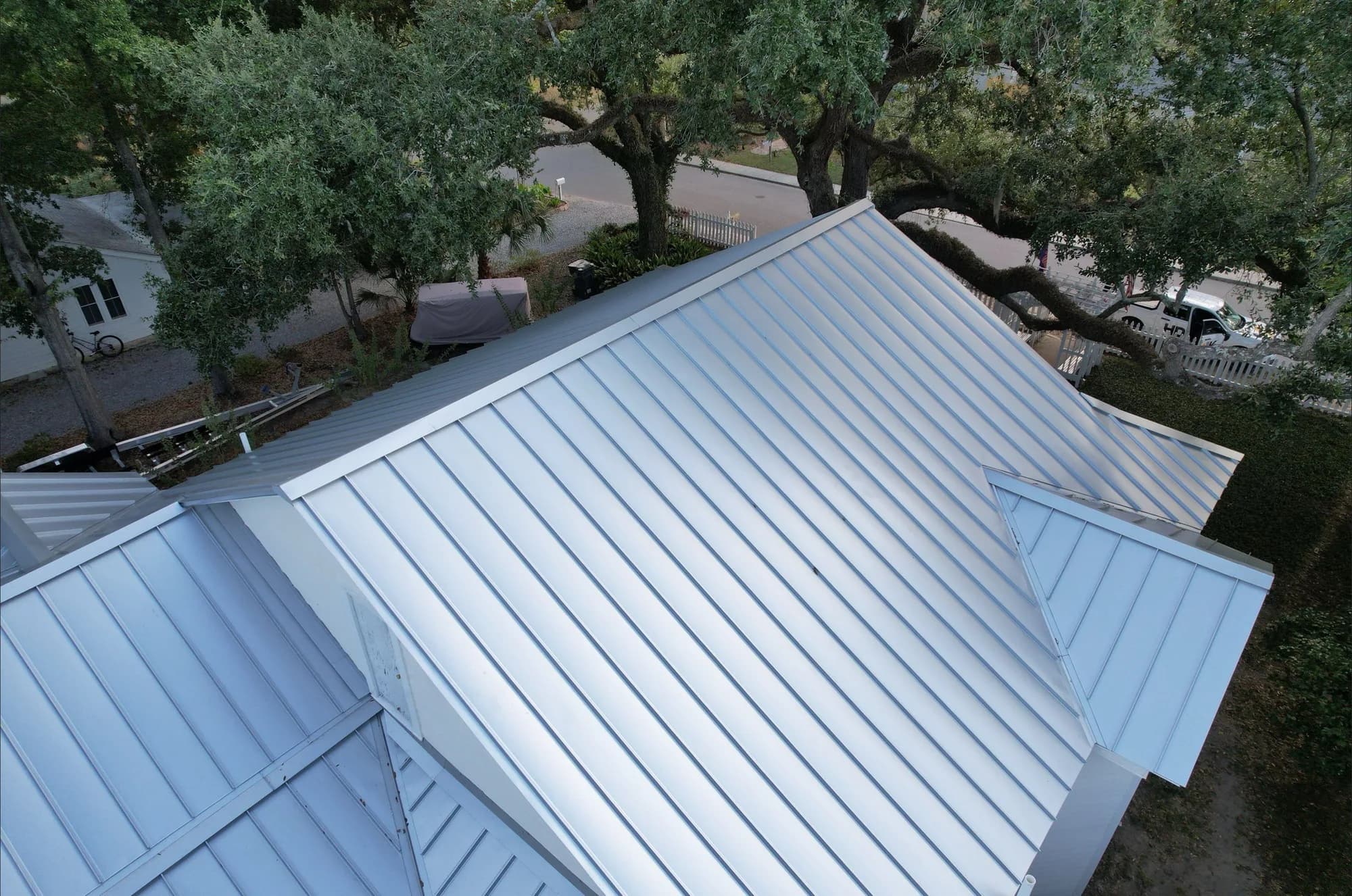
Metal Roofing in New Orleans (2026)
Metal roofing can be an excellent fit for New Orleans, but only when the system is chosen and installed for Gulf Coast realities. This guide explains what holds up in hurricanes, what fails in salt air, and how to decide if metal is worth it for your home.
New Orleans homeowners think about metal roofing for the right reasons: hurricane season, wind-driven rain, and the long-term cost of replacing shingles more often than you would in other regions. But metal roofing is not a single product. The system you choose (and the details you install) determine whether it performs beautifully for decades or becomes a noisy, corroding headache.
This guide breaks down the decision in plain English: which metal systems make sense in the Gulf Coast, what fails in salt air, what "hurricane-rated" really means, and what you should expect to pay in 2026-era pricing ranges.
Quick Answer: Is Metal Roofing Worth It Here?
Quick answer: Metal roofing can be a great fit in New Orleans if you choose the right system (typically standing seam) and prioritize edge, flashing, and underlayment details for wind-driven rain. In coastal humidity and salt air, material selection (aluminum vs coated steel) and corrosion-resistant fasteners matter as much as the panels.
If you want a roof system built for hurricanes, start here: Roof replacement in New Orleans →
Standing Seam vs Exposed Fastener: The Real Fork in the Road
If you remember one thing from this page, make it this: most metal roof failures we see on the Gulf Coast are not "metal problems." They are fastener and detail problems. That is why the system choice matters.
Standing seam (hidden fasteners)
Standing seam systems use concealed clips or fasteners under the seams. When installed correctly, they reduce exposed penetrations, handle thermal expansion better, and generally hold up longer in harsh climates.
Exposed fastener (screw-down) panels
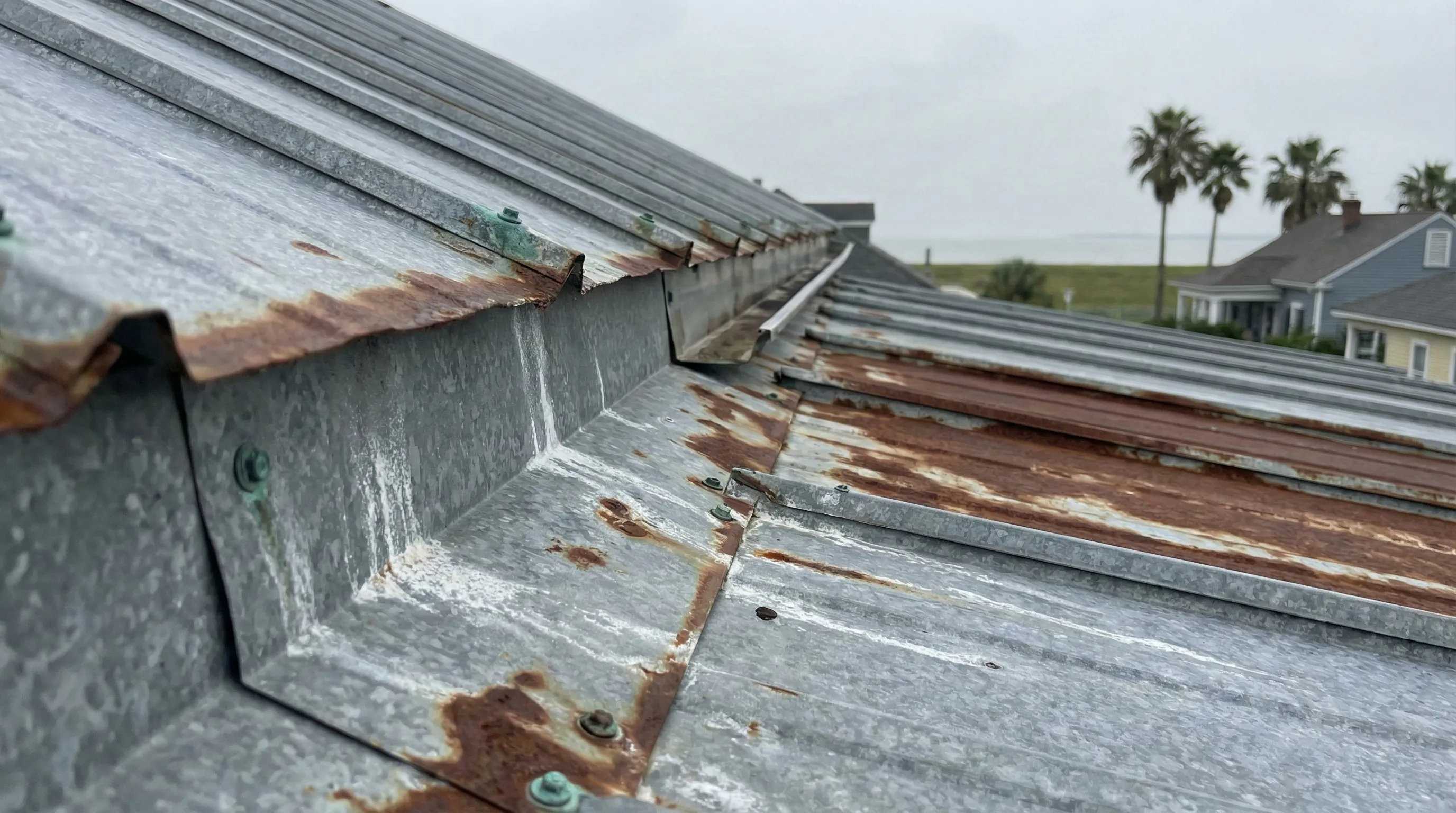
Exposed fastener systems put thousands of fasteners and washers directly in the weather. In a humid, high-UV environment, those washers age and fasteners back out over time. That does not mean exposed fastener roofs always fail quickly, but they require more maintenance discipline.
| Factor | Standing Seam | Exposed Fastener |
|---|---|---|
| Leak risk at fasteners | Lower (fasteners are concealed) | Higher (washers age, screws can loosen) |
| Salt air / corrosion exposure | Lower at fasteners | Higher at fasteners and washer interfaces |
| Maintenance needs | Lower (but not zero) | Higher (periodic fastener review is normal) |
| Upfront cost | Higher | Lower |
For many New Orleans homeowners, the decision comes down to this: if you want the lowest long-term leak risk and the best hurricane resilience, standing seam is usually the better bet.
Aluminum vs Steel in Salt Air
"Metal" is not one material. In New Orleans and the surrounding area, salt air and high humidity change the durability math. Coatings, fastener choices, and dissimilar metal contact matter.
Aluminum
Aluminum has strong corrosion resistance in coastal environments. It is a common choice when long-term corrosion risk is a top priority. The tradeoff is cost and the need for correct system specification.
Coated steel (Galvalume, PVDF finishes, etc.)
Coated steel performs well when properly specified, installed, and maintained. In a coastal climate, the details matter: scratched panels, cut edges, and fasteners are common corrosion initiation points. If you choose steel, corrosion-resistant fasteners and proper edge detailing are non-negotiable.
Related reading: Salt air corrosion in New Orleans roofs →
Hurricane Performance: What Actually Matters
In hurricanes, roofs fail at the edges, transitions, and penetrations. The panel material matters, but the roof system details matter more.
1) Edge metal and perimeter fastening
Wind grabs roof edges first. A high-performance roof system focuses on robust edge metal, correct fastener spacing, and strong attachment methods.
2) Underlayment and secondary water barriers
Wind-driven rain is one of the biggest threats in New Orleans. A sealed or enhanced underlayment strategy can prevent catastrophic interior damage even if exterior roofing is compromised during a storm.
3) Flashing at walls, chimneys, and penetrations
Most "hurricane leaks" are flashing leaks. A hurricane-ready roof includes step flashing, counter-flashing, and penetration details designed for sideways rain, not just vertical rainfall.
If hurricane resilience is your top goal, consider a FORTIFIED upgrade path as part of replacement planning: FORTIFIED roofs →
Metal Roof Cost in New Orleans (Typical Ranges)
Metal roofing pricing depends on system type, roof geometry, and detail work. For most residential projects, standing seam systems generally cost more than architectural shingles, but can offer longer service life and better storm performance when properly installed.
Typical installed ranges we see:
- Standing seam metal: often $10-$18+ per square foot installed
- Exposed fastener systems: often $7-$12 per square foot installed
Those ranges can move materially based on roof pitch, access, and how much flashing/wood repair is required. For a baseline comparison against shingles, see: New Orleans roof replacement cost guide →
Heat, Noise, Ventilation, and Comfort
Metal roofs can be comfortable and quiet when installed with the right assembly. In New Orleans, the bigger comfort drivers are usually attic ventilation, radiant heat management, and air sealing, not the panel alone.
Noise
On most homes, metal roofing is installed over decking and underlayment. That assembly dampens sound significantly. If you have an open-framed patio cover or shed roof, noise differences can be more noticeable.
Ventilation
Humidity control and temperature management matter in Louisiana. Proper intake and exhaust ventilation reduces moisture stress and improves shingle or metal system longevity.
Maintenance in a Humid, Coastal Climate
Metal roofing is not "maintenance free," especially near salt air. A realistic maintenance plan is part of owning a long-life roof system.
- Keep gutters and valleys clear so water drains efficiently.
- Inspect sealants and flashings periodically (especially after storms).
- For exposed fastener systems, check fasteners and washers over time.
- Rinse salt accumulation in coastal-adjacent areas as recommended by the manufacturer.
How We Install Metal Roofing in New Orleans
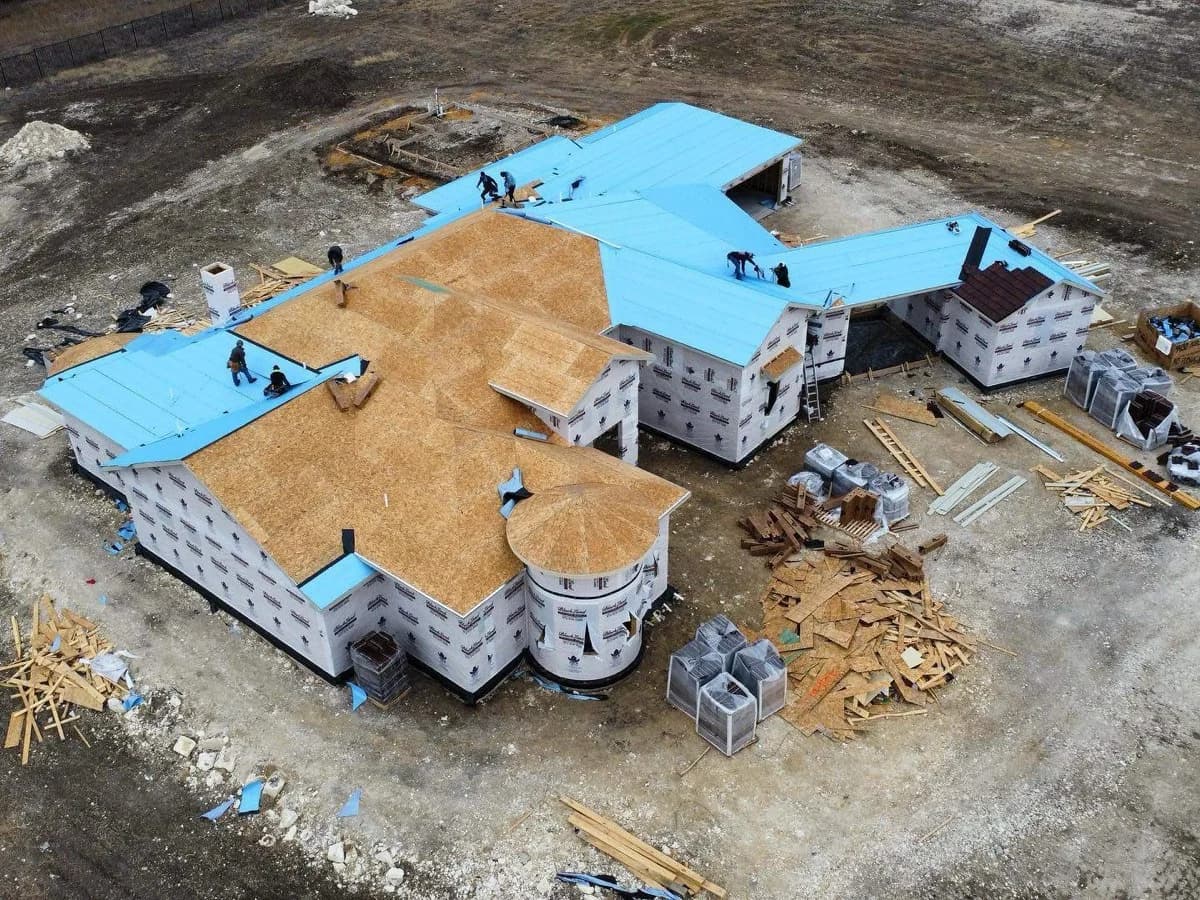
Our installation focus is simple: build for the next storm, not just today's weather. That means prioritizing system details that actually fail in hurricanes: edge metal, flashings, underlayment strategy, and correct fastening patterns for the roof geometry.
If you are considering metal roofing, we recommend starting with a replacement consultation so we can assess roof shape, decking condition, and the right metal system for your home's architecture. Get started here: Free roof replacement inspection in New Orleans →
FAQ
Common questions we hear from New Orleans homeowners considering metal roofing.
Frequently Asked Questions
Metal roofing can perform very well in hurricanes when the system is properly specified and installed. The biggest performance drivers are edge/perimeter detailing, underlayment strategy for wind-driven rain, and flashing/penetration details. Standing seam systems are often preferred for long-term resilience.
For most residential homes, standing seam metal is the best long-term option because it reduces exposed fasteners and handles thermal movement well. Exposed fastener systems can work but typically require more maintenance and careful fastener management over time.
Aluminum offers strong corrosion resistance and can be a smart choice in coastal-adjacent conditions. Coated steel can also perform well, but details like cut edges, scratched coatings, and fasteners become more important in salt air. The right choice depends on the system, finish, and budget.
Metal roof cost depends on system type and roof complexity. As a general range, exposed fastener systems often run about $7-$12 per square foot installed, while standing seam systems often run about $10-$18+ per square foot installed. We provide a written estimate after inspection.
On most homes, metal is installed over solid decking with underlayment, which reduces noise significantly. Noise differences are more noticeable on open-framed structures like patio covers where there is no attic or insulation to dampen sound.

Hunter Lapeyre
Owner & Lead Roofing Consultant, Lapeyre Roofing
Founder of Lapeyre Roofing, continuing a family legacy in Louisiana since 1699. Licensed in Louisiana, GAF Certified, and FORTIFIED Roofing specialist serving Texas and Louisiana.