Siding Cost in New Orleans, LA: 2026 Guide
New Orleans siding cost reflects hurricane construction practices, FORTIFIED Wall principles, and the Louisiana-specific LDI grant context. Here is what NOLA homeowners actually pay in 2026, by material and by FORTIFIED designation pursuit.
New Orleans siding cost reflects three layers most other markets do not face: hurricane wind construction practices, IBHS FORTIFIED Wall pursuit potential, and historic district restoration coordination on protected homes. Here is what NOLA homeowners actually pay in 2026.
Quick Answer
For a 2,500 square foot New Orleans home with typical complexity:
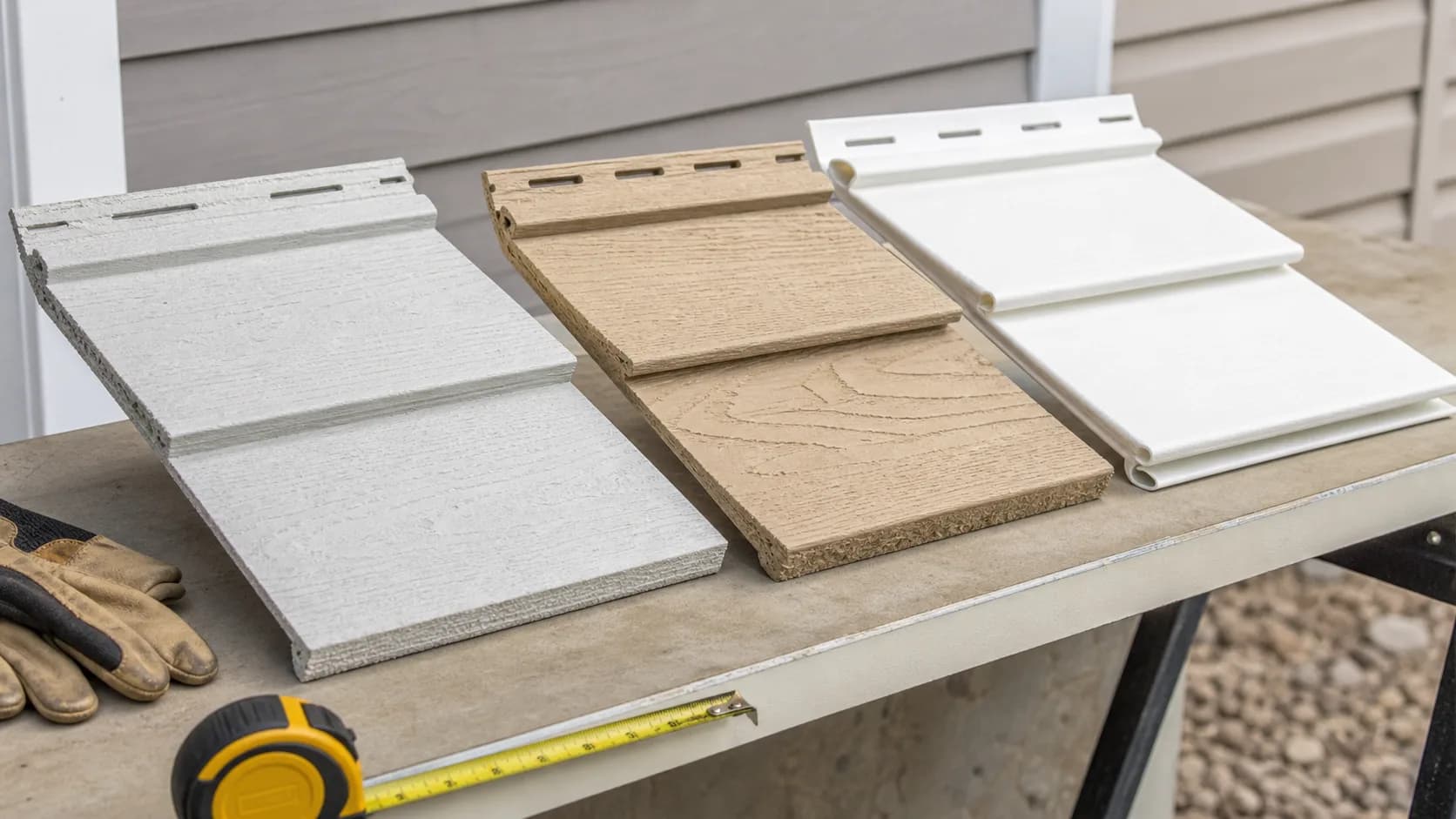
- Premium vinyl: the lowest installed cost; not recommended for hurricane-priority projects
- LP SmartSide engineered wood: mid tier; SmartGuard treatment provides termite resistance critical in NOLA Formosan termite zone
- Hardie ColorPlus HZ10: premium tier; engineered for hot/humid/hurricane zones; termite-inedible
- Historic restoration / matched-profile work: variable, project-specific, with coordination overhead
- FORTIFIED Wall pursuit: meaningful add for upgraded fastening, certified inspection, and FORTIFIED-rated detail
Cost by Material
Premium Vinyl (Limited NOLA Use)
Premium-grade vinyl in the 0.046-0.055 inch grade range can work for inner-NOLA homes outside chronic salt exposure and outside hurricane-priority pursuit. We do not recommend standard-grade vinyl for hurricane-exposed elevations regardless of price tier.
LP SmartSide (Mid Tier)
The SmartGuard zinc-borate treatment provides termite resistance critical in NOLA's Formosan termite zone. Carries a 5/50/15 warranty plus the explicit 1.75-inch hail damage coverage. Lighter weight than fiber cement makes upper-story access easier on multi-story Garden District and Uptown homes.
Hardie ColorPlus HZ10 (Premium Tier)
The right product for NOLA. Hardie HZ10 is engineered specifically for zones 6-10 — hot, humid, hurricane-exposed. Termite-inedible. Salt-tolerant when properly fastened. Carries the 30-year non-prorated transferable substrate warranty. The HZ10 formulation resists cracking, splitting, rotting, and swelling through hurricane and tropical storm seasons.
FORTIFIED Wall and the LDI Grant
The Louisiana Fortify Homes Program (LFHP), administered by the Louisiana Department of Insurance, offers grants of up to $10,000 toward FORTIFIED Roof installations on a lottery basis. Registration windows open periodically, and Louisiana installed over 11,000 FORTIFIED Roofs in 2026 alone. The grant focuses on the roof, not siding directly — but the IBHS FORTIFIED Wall and FORTIFIED Gold standards build on the FORTIFIED Roof base, and homeowners pursuing the full whole-envelope FORTIFIED designation often bundle siding work with the roof grant project.
FORTIFIED Wall construction practices include:
- Sealed WRB transitions with hurricane-zone fastening
- Continuous-load-path connections from siding through wall framing to foundation
- Certified anchors at openings (windows and doors)
- Third-party verification by an IBHS-credentialed evaluator
FORTIFIED Wall pursuit adds a meaningful premium to base siding costs for upgraded fastening, certified detailing, and verification coordination. The trade-off is improved long-term hurricane performance and documentation that some carriers may review for available credits or discounts.
Historic Restoration Cost
For homes in Garden District, Uptown, French Quarter, and other historic-protected districts, the cost conversation is different. Restoration of original cypress weatherboard or matched-profile replacement typically costs more per square foot than wholesale Hardie installation, but preserves the architectural character that drives much of the home's market value in those neighborhoods.
Restoration work involves:
- Selective replacement of damaged or termite-eaten boards
- Custom-milled matching profiles where original boards cannot be salvaged
- Coordination with district approval bodies
- Specialized craftsmanship rather than production-grade installation
Sometimes the right answer is a hybrid: salvage and restore where original siding is in good condition, replace selectively with Hardie HardiePlank in matched profiles where original boards are too damaged.
Termite-Aware Spec
NOLA sits in heavy Formosan and native termite zones. Untreated wood-substrate siding, trim, and fascia are at constant risk. Material selection matters more in NOLA than in inland markets:
- Hardie fiber cement is termite-inedible — best long-term protection
- LP SmartSide with SmartGuard provides termite resistance via the zinc-borate treatment
- Solid wood siding is generally not the right call in NOLA regardless of finish — substrate vulnerability outweighs aesthetic considerations
Tear-off frequently reveals termite damage to sheathing and framing. We budget contingency for termite-related sheathing repair on most NOLA siding projects.
Insurance and Hurricane Damage
Hurricane Ida (2021) and Hurricane Katrina (2005) both generated extensive siding damage across Orleans Parish. Wind, hail, hurricane wind, and wind-driven debris are typically named perils on NOLA policies.
Common adjuster misses on NOLA siding claims:
- Hurricane wind uplift creasing on fiber cement
- Hidden hail bruising on vinyl panels
- Backside water intrusion at fastener penetrations from driving rain
- Termite damage discovered during storm damage assessment (separate scope from storm)
- Color-match issues for partial replacements (covered "matching" issue under standard policy language)
For homes with FORTIFIED Wall or FORTIFIED Gold pre-loss certification, the replacement scope must reflect the certified configuration — initial estimates frequently miss this.
How to Spot a Lowball NOLA Estimate
- HZ5 vs HZ10 confusion. NOLA needs HZ10. Anyone quoting HZ5 is selling the wrong climate formulation.
- FORTIFIED Wall not addressed. If you are pursuing IBHS FORTIFIED Wall or Gold designation, the bid needs to address upgraded fastening, sealed transitions, and certified verification.
- Termite spec missing. Solid wood siding in NOLA is a long-term termite problem. Bids quoting cypress or other untreated wood substrates are setting up future damage.
- Historic district status not addressed. Protected-district homes have specific approval requirements for visible exterior work. Bids that skip this conversation will hit problems at permit time.
- Salt-air fastener spec. For lake-adjacent and downriver homes, stainless or hot-dip galvanized fasteners are essential. Standard galvanized fails fast.
- Sheathing/termite contingency. Bids excluding termite-related sheathing scope on NOLA homes are setting up change orders.
Frequently Asked Questions
Frequently Asked Questions
The LDI grant of up to $10,000 focuses on FORTIFIED Roof, not siding directly. However, the construction practices that earn FORTIFIED Roof certification overlap with FORTIFIED Wall — homeowners pursuing the full whole-envelope FORTIFIED Gold designation can bundle siding scope with the roof grant project. The grant amount applies to roof scope; siding remains at base material plus FORTIFIED Wall premium.
For hurricane-exposed homes pursuing long-term wind protection, often yes. The construction practices (sealed transitions, hurricane-zone fastening, certified anchors at openings) deliver real performance during named storms. Confirm current policy treatment with your carrier before pursuing any FORTIFIED-related documentation path.
Historic-protected districts (Garden District, French Quarter, parts of Uptown and elsewhere) have specific approval requirements for visible exterior work. We coordinate with appropriate approval bodies before specifying wholesale Hardie replacement. For some homes, restoration of original weatherboard with selective replacement is the right call. For others, matched-profile Hardie installation with district approval is appropriate.
For inner-NOLA homes outside chronic salt exposure and outside FORTIFIED pursuit, premium-grade vinyl (0.046 inches or thicker, ASTM D3679 / VSI-certified) can work for budget projects. For hurricane-priority and FORTIFIED-pursuit homes, we steer toward fiber cement or engineered wood. Standard-grade vinyl is not the right call for NOLA hurricane-exposed applications.
Tear-off frequently reveals termite damage to sheathing and framing in NOLA homes. Sheathing repair is bid as time and material because the scope is unknown until tear-off. Budget a contingency for termite-related sheathing on most NOLA siding projects. Wholesale wall framing repair is rare but does happen on older homes with extensive Formosan termite history.
Yes — wind, hail, hurricane wind, and wind-driven debris are typically named perils. We document slope-by-slope and panel-by-panel and supplement when initial estimates miss damage. For pre-loss FORTIFIED-certified homes, the replacement scope must reflect the certified configuration; initial adjuster estimates frequently miss this.
5 to 10 working days for a typical 2,500 square foot home with no major sheathing or termite damage. Historic restoration work and FORTIFIED Wall pursuits run longer. Hurricane-season weather windows add unpredictability.
HZ10. Hardie engineers HZ10 specifically for zones 6-10, which includes NOLA. HZ5 is the cold-climate formulation for zones 1-5 (think St. Louis or Chicago). HZ5 in NOLA would be a climate mismatch — the formulation is not engineered for sustained heat, humidity, and hurricane exposure.

Hunter Lapeyre
Owner & Lead Roofing Consultant, Lapeyre Roofing
Founder of Lapeyre Roofing, continuing a family legacy in Louisiana since 1699. Licensed in Louisiana, GAF Certified, and FORTIFIED Roofing specialist serving Texas and Louisiana.